 PlaceBee
Introduction: Why Baggage Fees Matter in 2026
Excess baggage fees continue to surprise travelers, turning affordable trips into expensive ordeals. This guide provides practical strategies to dodge those costs through smart packing, rule awareness, and alternative services. Budget-conscious explorers will find actionable steps, real-world examples, and decision-making tools to keep expenses low throughout their journeys. Understanding how airlines calculate fees and what triggers them allows you to plan ahead and maintain control over your travel budget. Many travelers overlook small details that add up quickly, such as extra personal items or last-minute gate checks.
Decoding Airline Weight and Size Rules
Airlines enforce strict limits on weight, dimensions, and number of bags. Rules vary by carrier, route, and ticket class, so always verify directly with your airline before travel. Focus on understanding domestic versus international policies and how personal items factor into allowances. Domestic flights often allow more flexibility in size while international routes frequently impose tighter weight restrictions measured in kilograms. TSA guidelines offer a reliable starting point for U.S. departures, but international travelers should also consult the International Air Transport Association for standardized practices across carriers. Consider how seasonal routes or codeshare flights might change the applicable rules. Reading the fine print on your ticket and airline website prevents surprises at the check-in counter.
Optimizing Packing Techniques for Carry-On Only Travel
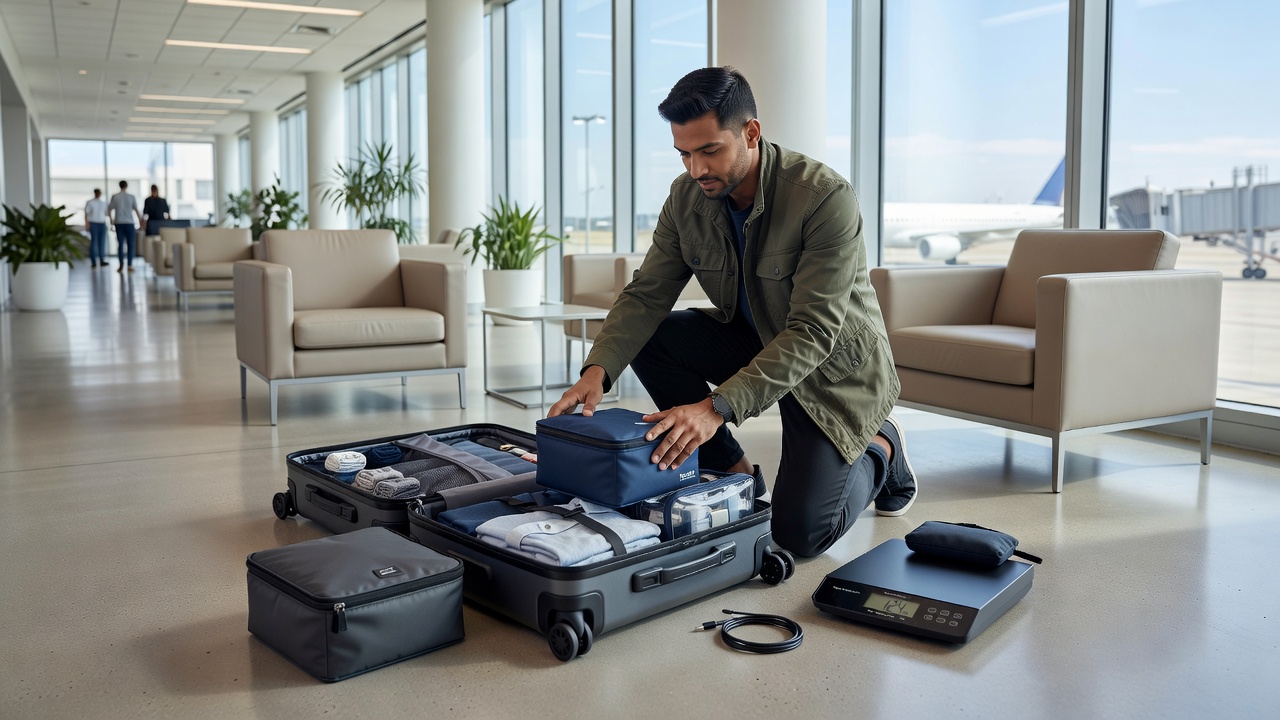
Mastering carry-on packing eliminates checked bag fees entirely. Use compression cubes, roll clothes instead of folding, and select versatile wardrobe pieces that mix and match. Weigh your bag at home with a portable scale and leave 10-15% buffer for souvenirs. Consider these steps for success:
- Choose a lightweight suitcase under airline limits and test its empty weight first.
- Prioritize multi-use items like scarves, neutral colors, and layers that adapt to different climates.
- Pack toiletries in compliant sizes and use solid alternatives where possible to reduce liquid restrictions.
- Utilize every compartment without exceeding dimensions by laying out items flat before zipping.
- Create a capsule wardrobe that minimizes duplicates while covering all planned activities.
Many travelers report saving significantly by committing to carry-on only on short to medium trips. Experiment with different folding methods during a trial pack at home to discover what fits best in your specific bag model.
Exploring Luggage Forwarding Services
When carry-on only is not feasible, luggage forwarding services ship bags ahead, bypassing airline fees. These options suit longer journeys or families with bulky items. Research providers that offer door-to-door delivery and track shipments in real time. Compare transit times and insurance coverage to match your itinerary needs. Services often allow you to send sports equipment or winter clothing separately, freeing up personal space during flights. Always confirm delivery windows align with your arrival date and consider backup plans if delays occur.

Side-by-Side Fee Comparisons Across Major Carriers
Airline policies differ widely in structure and severity. Some charge per bag while others focus on weight overages. Review policies for your specific routes and consider loyalty status or credit card perks that waive fees. Always cross-check the latest details on official carrier sites as rules evolve. Budget airlines tend to have stricter enforcement at the gate compared to full-service carriers that may include one checked bag in certain fare classes. Comparing options across multiple airlines for the same itinerary often reveals opportunities to select a carrier with more generous allowances.
Actionable Steps to Avoid Last-Minute Charges
Follow this checklist before every trip: measure and weigh bags, confirm allowances online, arrive early at check-in, and have backup plans like shipping non-essentials. Print or save digital copies of rules for quick reference at the airport. Additional preparation includes checking weather forecasts for destination packing adjustments and labeling all bags clearly in case of separation. Practice the full packing process several days before departure to identify and resolve issues early.
Real Traveler Case Studies Showing Savings
One family avoided overages on a cross-country flight by consolidating items into two carry-ons and one personal item each, resulting in zero baggage costs. They used compression cubes to fit formal wear and casual outfits without exceeding size limits. Another solo traveler used forwarding for winter gear on a ski trip and saved compared to airline rates while enjoying a lighter load through security. A third example involved a couple who split their belongings across carry-ons and forwarded one large suitcase, allowing them to navigate multiple connections without extra fees. These examples highlight how preparation translates to real financial relief and reduced stress during travel days.
Choosing the Right Luggage for Fee Avoidance
Selecting appropriate luggage plays a key role in staying under limits. Look for bags with built-in scales or expandable sections that can be managed carefully. Hard-shell cases often protect contents better but may weigh more empty than soft-sided options. Test wheels and handles for durability on long airport walks. Many experienced travelers maintain a dedicated carry-on set optimized for frequent use.
Common Mistakes to Avoid
Travelers frequently underestimate the weight of souvenirs or forget that duty-free purchases count toward limits. Overpacking toiletries or failing to check updated policies after booking leads to gate fees. Another pitfall is assuming personal items are always free when some carriers count them separately. Reviewing all rules twice and packing light initially helps sidestep these issues.
FAQ: Common Pitfalls Like Last-Minute Charges
Q: What if my bag is slightly over at the gate? A: Gate agents often enforce stricter rules; weigh beforehand and redistribute items into other bags or personal items.
Q: Do credit cards really waive fees? A: Some premium cards offer annual waivers—confirm benefits directly with your issuer before travel.
Q: How do international rules differ? A: Many countries use metric measurements and stricter weight caps; research destination-specific regulations early through official government travel sites.
Q: Can I bring an extra personal item? A: Policies vary, so measure your bag against published dimensions and consider consolidating into one qualifying item.
Conclusion: Travel Smarter in 2026
Applying these pro tips ensures smoother journeys and preserved budgets. Stay informed, pack strategically, and leverage services when needed to keep baggage fees at bay throughout the year.
Explore more expert advice in our Travel Guides.


No comments yet. Be the first!