 PlaceBee
Introduction to Modular Packing in 2026
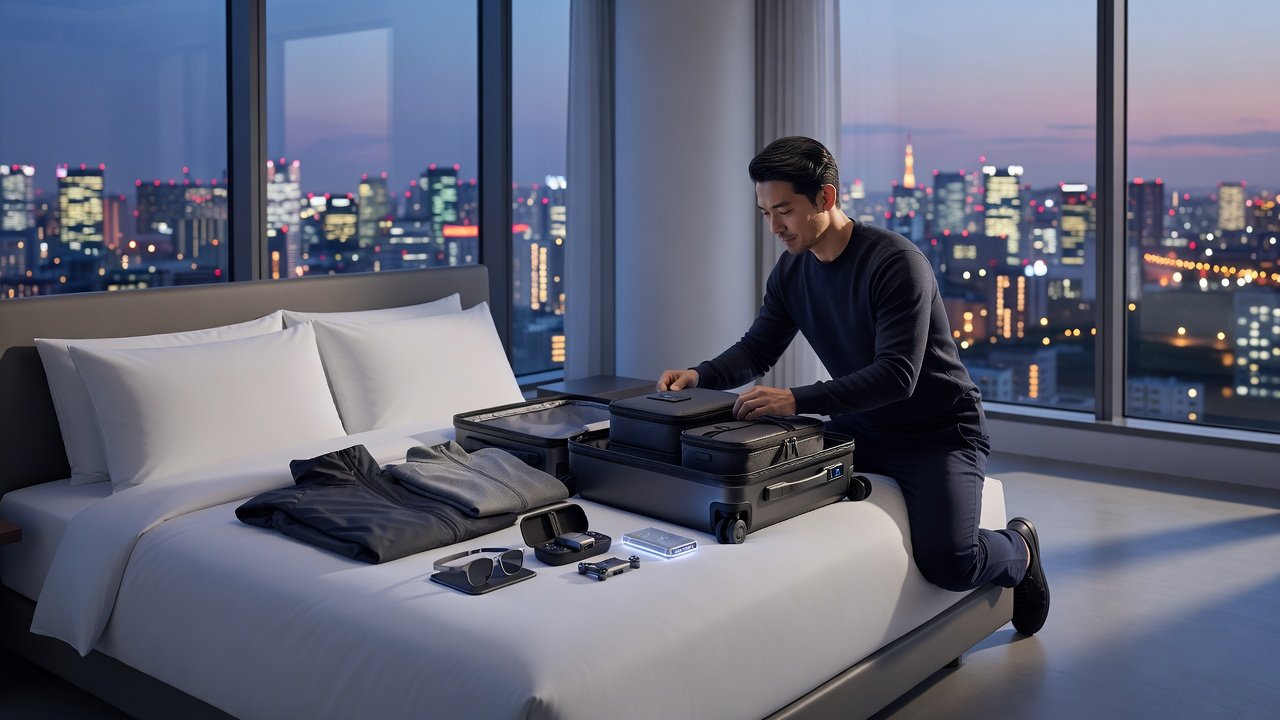
Urban adventures in 2026 demand packing solutions that keep pace with fast-moving city environments, evolving airport security protocols, and seamless transit app integrations. Modular packing systems allow travelers to organize gear into interchangeable capsule modules that adapt quickly to regional requirements while supporting weather-adaptive layers and gadget organization. This approach minimizes baggage fees and maximizes time for discovering hidden gems through social tools. Whether hopping between Tokyo, Paris, or New York, a well-designed system turns chaotic packing into a streamlined workflow that supports both solo explorers and groups. By focusing on quick-access compartments, travelers can breeze through security lines while keeping essentials like passports and chargers within arm's reach. The integration of smart features with popular transit apps further enhances efficiency, allowing real-time adjustments based on flight delays or weather alerts.
Understanding Advanced Modular Packing Systems
Modern modular systems feature compartments designed for rapid access during security screenings. These align with 2026 updates from major airports emphasizing quick electronic device retrieval and liquid inspections. Transit apps like city-specific metro planners integrate with smart luggage tags for real-time updates on weight limits and gate changes. Key components include weather-adaptive layers such as lightweight shells for rain or insulation packs for cooler evenings, plus dedicated gadget organizers with cable routing and power bank slots. Users benefit from standardized module sizes that fit most carry-on dimensions, reducing the risk of gate-checking surprises. The systems also promote sustainability by encouraging reuse of durable modules across multiple trips instead of single-use plastic bags.
Step-by-Step Assembly: Tokyo Capsule Module
Start with a base compression shell for clothing. Add a quick-access tech module holding passport, wallet, and portable charger. Layer in weather-adaptive items like a foldable umbrella and breathable base layers suited to Tokyo's variable humidity. Include a small toiletry capsule compliant with regional liquid rules. Finalize by attaching the module to your main carry-on via integrated clips for fast reconfiguration at Haneda or Narita airports. For added practicality, pre-sort items by daily itinerary so that morning essentials sit in the top layer. Travelers report this method saves significant time during early morning departures when jet lag is a factor. Consider including a compact translation device module if language barriers are a concern in less tourist-heavy districts.
Step-by-Step Assembly: Paris Capsule Module
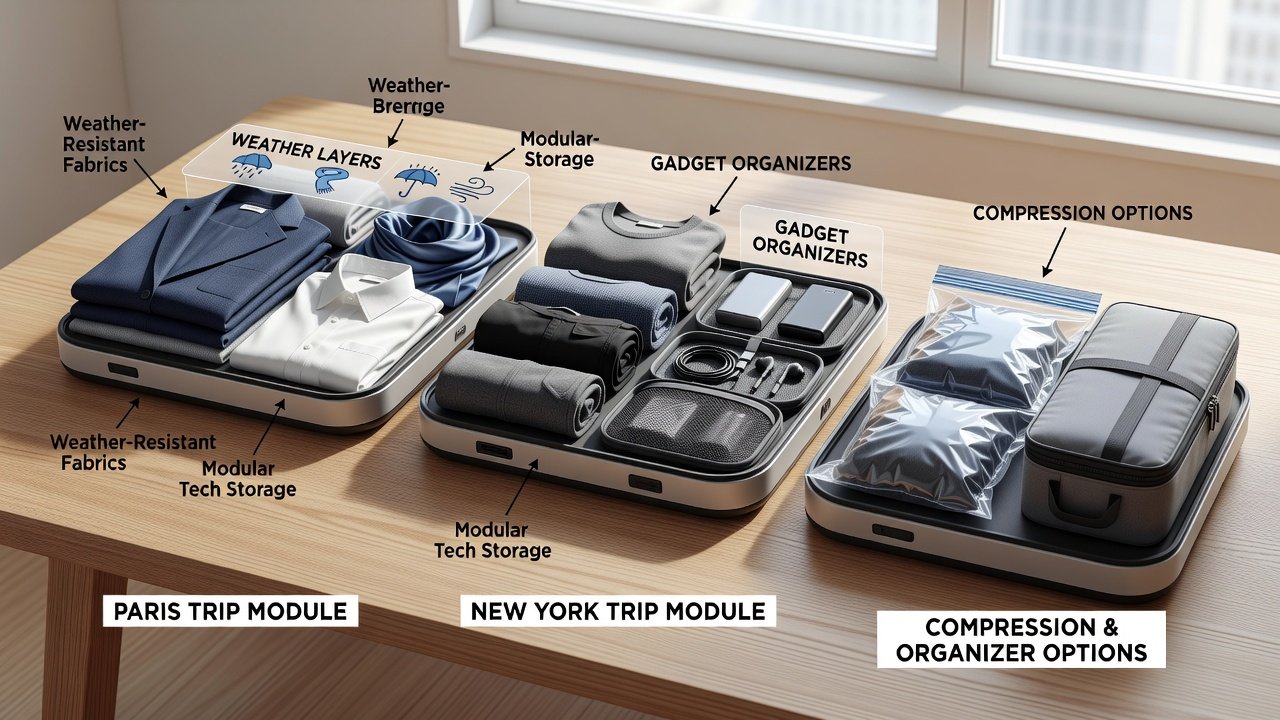
Build around a versatile outer shell that accommodates both café chic and Seine-side walks. Pack a dedicated culture module with guide apps preloaded and a compact adapter for European outlets. Incorporate weather layers including a light scarf and packable jacket. Organize gadgets in a slim pouch optimized for café Wi-Fi hotspots. Ensure the full assembly meets EU carry-on standards for quick passage through Charles de Gaulle security. Practical examples show that adding a dedicated shoe module helps separate street-worn footwear from clean clothing, preserving freshness during multi-day stays. Weather-adaptive elements should prioritize breathable fabrics given Paris's frequent spring showers and mild winters.
Step-by-Step Assembly: New York Capsule Module
Focus on high-density organization for subway navigation and variable weather. Use a reinforced base module for walking shoes and a separate electronics capsule with noise-cancelling headphones. Add adaptive layers like a windbreaker and moisture-wicking shirts. Integrate a small essentials pouch for metro cards and cash. Clip modules together for easy handling at JFK or LaGuardia checkpoints. Real-world testing reveals that placing a power bank module at the front edge allows charging on the go during long walks through Central Park or downtown streets. New York’s unpredictable weather calls for versatile layering that can be swapped without fully unpacking the bag.
Comparisons: Packing Cubes vs Compression Alternatives
Real-user examples highlight clear differences. Frequent flyers report packing cubes excel in visibility and quick reorganization, while compression sacks save up to 30% space but can wrinkle delicate fabrics. One traveler noted cubes helped during a Tokyo-to-Paris leg by allowing instant swaps of weather layers without unpacking everything. Compression alternatives shine for New York trips where bulkier outerwear fits tighter. Additional feedback from frequent city-hoppers indicates that hybrid approaches work best: use cubes for clothing and compression for bulky jackets. Durability testing shows high-quality cubes withstand hundreds of trips, whereas cheaper compression bags may fail under repeated pressure. When deciding, evaluate your typical trip length and the importance of wrinkle-free presentation for business or social occasions.
Practical Checklists for Minimizing Baggage Fees
- Weigh each module separately before final assembly to stay under airline limits.
- Use expandable compartments sparingly and only for return souvenirs.
- Pre-download transit apps to avoid extra data fees abroad.
- Label modules clearly for fast customs declarations.
- Review current carry-on policies via official airport resources before travel.
- Pack a portable scale for on-the-spot verification at home or hotel.
- Rotate heavy items across modules to balance overall weight distribution.
Integrating with Transit Apps and Security Protocols
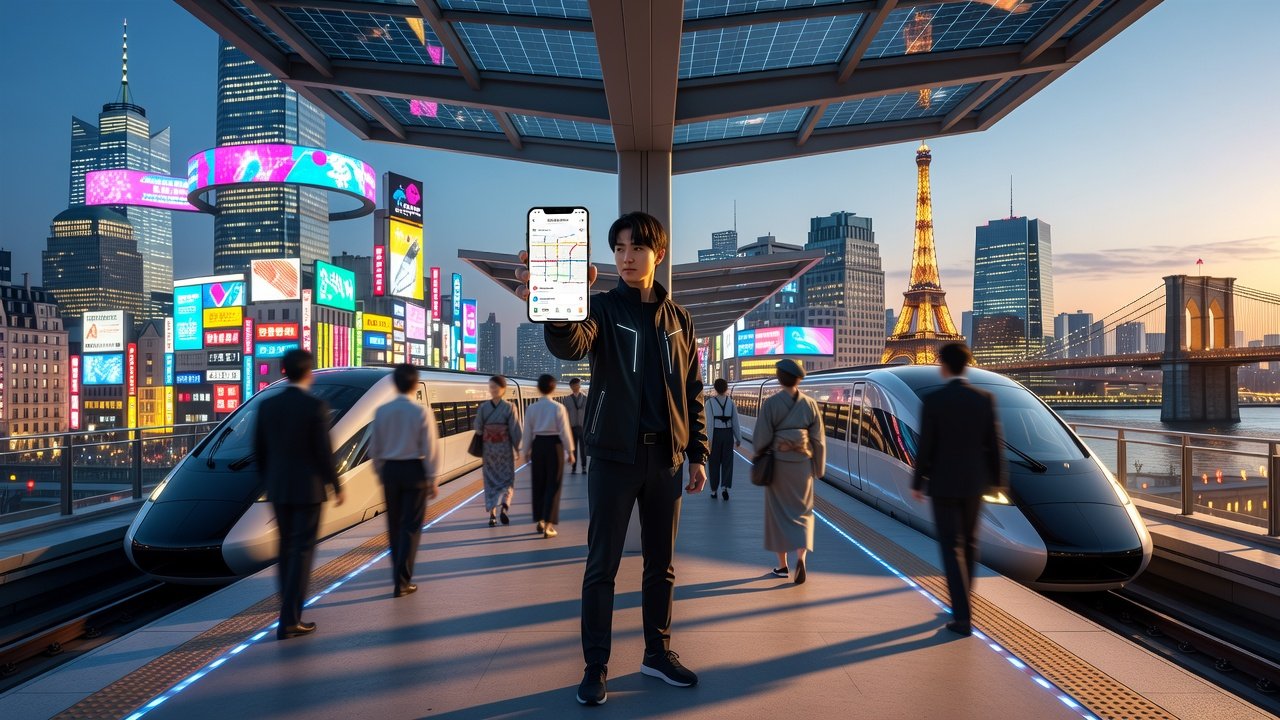
Pairing modular packing with apps from providers like city transit authorities enables proactive planning. For instance, syncing your gadget module with real-time flight status apps helps anticipate security changes. TSA guidelines recommend keeping liquids and electronics accessible, which modular designs facilitate naturally. Similarly, CDC travel resources advise health-related packing that fits neatly into dedicated wellness modules. This integration reduces stress and supports smoother transitions between airports and urban transit networks.
Pro Tips for Blending Efficiency with Local Discovery
Pair your modular system with social tools like location-based discovery apps to locate hidden gems. Schedule module swaps during layovers using airport lounges. Test your full setup at home with a simulated security line to refine quick-access placement. Advanced users recommend photographing module layouts before each trip for easy replication. Social media integration allows sharing packing configurations that inspire others while gathering feedback on regional adaptations.
FAQs on Adapting Systems for Group or Solo Travel
How do groups share modules? Assign color-coded modules per person while maintaining a shared tech hub for chargers and adapters.
Can solo travelers scale down? Yes, condense to two core modules for maximum agility on shorter urban escapes.
What about seasonal weather shifts? Swap adaptive layers in minutes using the modular clips without disrupting the rest of the system.
Is this suitable for families? Yes, larger base modules accommodate children's items while keeping adult essentials separate.
How often should modules be reorganized? Review and adjust before each major leg of a multi-city journey.
Conclusion
Mastering modular packing elevates 2026 urban adventures by saving time, reducing fees, and freeing mental energy for authentic experiences. Apply these systems to your next Tokyo, Paris, or New York trip for smoother journeys and richer discoveries. With practice, the method becomes second nature and transforms how you approach every city adventure.
No comments yet. Be the first!