 PlaceBee
Introduction to Situational Awareness for Modern Travelers
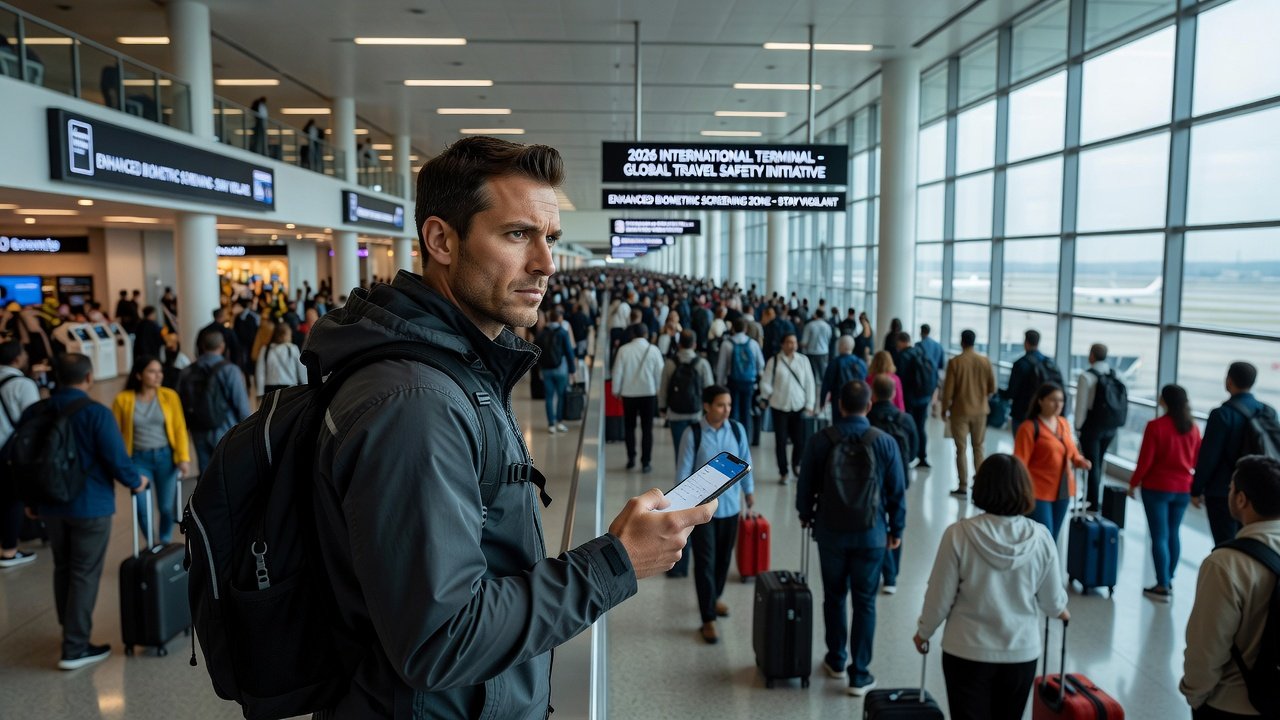
In an era of increasingly sophisticated travel risks, situational awareness has evolved beyond basic vigilance into a proactive skill set essential for advanced travelers. By 2026, leveraging real-time data, behavioral cues, and structured drills allows you to anticipate threats before they escalate. This approach focuses on reading dynamic environments rather than reacting to incidents after they occur. Travelers who invest time in these techniques report fewer disruptions and greater confidence when navigating unfamiliar cities. The shift toward prevention emphasizes observation, pattern recognition, and rapid decision-making, all supported by emerging technology trends that make information more accessible than ever before.
Reading Environments and Crowds Effectively
High-traffic destinations like airports in major hubs or bustling markets in Europe and Asia demand constant environmental scanning. Start by identifying baseline behaviors in a location—what normal foot traffic and interactions look like—then note anomalies such as individuals lingering near exits or groups forming unnatural clusters. In places like Tokyo's Shibuya Crossing or New York's Times Square, practice the 360-degree scan method: pause every 30 seconds to assess your surroundings from multiple angles. Pay attention to changes in crowd density, sudden shifts in noise levels, or people who appear out of place. For example, in a busy London Underground station, a traveler who notices someone repeatedly checking their phone while mirroring your movements can adjust their path early. This skill improves with repetition; dedicate the first hour upon arrival in any new city to a deliberate orientation walk that maps key landmarks, exits, and potential bottlenecks. Advanced practitioners also track environmental factors such as lighting, signage visibility, and nearby security presence to build a mental map that supports faster responses if conditions change unexpectedly.
Spotting Scams in Real Time
Real-world examples highlight the value of quick pattern recognition. In Paris tourist areas, distraction tactics involving dropped items or fake petitions remain common; recognize them by sudden physical contact paired with verbal misdirection. Similarly, in Bangkok markets, overfriendly vendors may attempt to guide you into secluded shops. Counter these by maintaining distance and verifying claims through independent observation. In Rome near the Colosseum, coordinated groups sometimes use flowers or maps as props to initiate unwanted interactions—respond by politely declining and increasing your personal space. U.S. Department of State resources provide updated regional advisories that complement on-ground awareness. Training yourself to spot micro-expressions of insincerity or rehearsed scripts helps differentiate genuine locals from opportunists. Practice by reviewing video footage of common scams before departure and role-playing responses with travel companions to build automatic reactions.
Using Apps for Live Threat Alerts
Integrate 2026-era apps that deliver geofenced notifications for protests, weather events, or crime spikes. Cross-reference multiple sources for accuracy, setting custom alerts for your itinerary. This digital layer enhances physical observation without replacing it, allowing travelers to reroute proactively during events in high-density zones. Popular options include government-backed platforms and community-driven safety networks that aggregate user reports in real time. Set up layered alerts so that one app covers transportation disruptions while another focuses on health or civil unrest. Always download offline versions of maps and alerts before entering areas with unreliable connectivity. Combining these tools with your own visual checks creates a robust early-warning system that keeps you ahead of evolving situations.
Building Personal Escape Plans
Develop layered escape strategies tailored to venues. For a hotel, identify at least two exit routes beyond the main entrance and practice timing them during low-traffic hours. In public spaces, designate rally points with travel companions. Create primary, secondary, and tertiary options for every major stop on your itinerary, including transportation hubs and popular attractions. Consider factors like crowd flow direction, availability of transportation alternatives, and proximity to official assistance points. 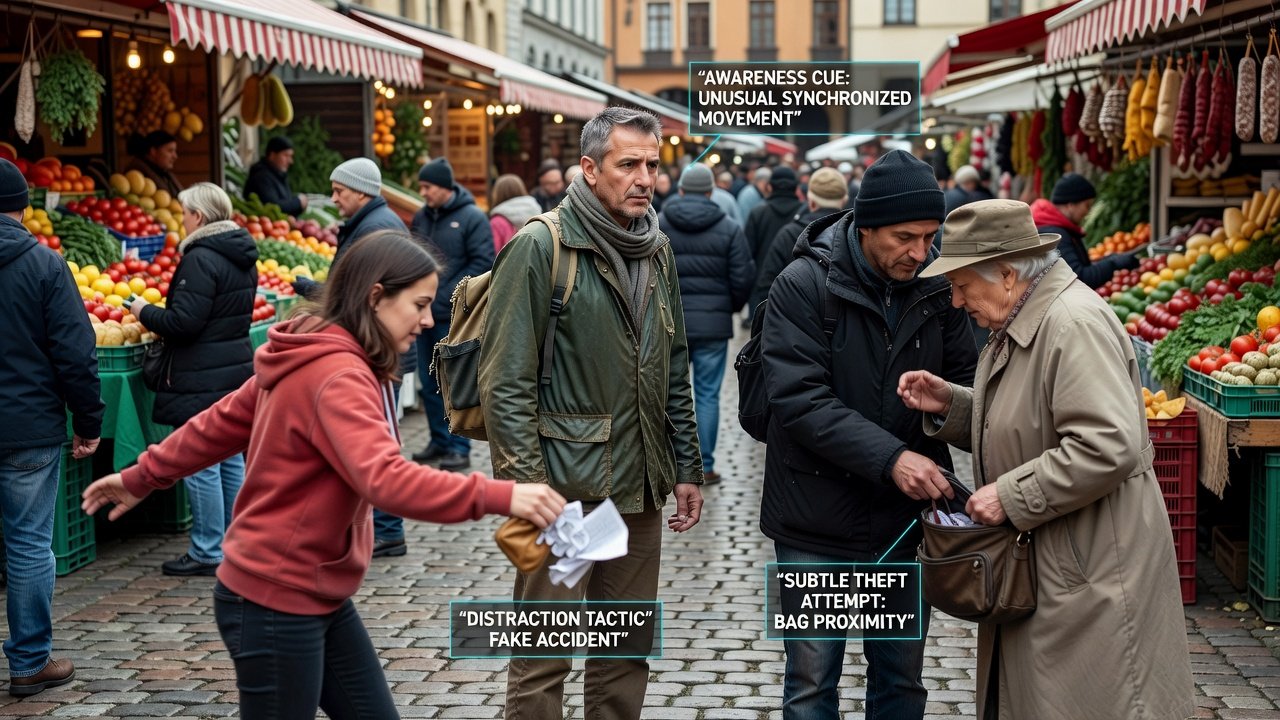
Step-by-Step Drills
- Simulate a crowd surge in a safe setting by walking through a busy park while noting exits and timing your movement to open spaces.
- Role-play scam encounters with a partner to rehearse verbal deflections and body positioning that discourages further engagement.
- Conduct weekly app alert tests to ensure notification delivery and practice quick interpretation of the data received.
- Perform a full venue walkthrough upon arrival at hotels or event spaces, mentally rehearsing the first three actions you would take in different emergency scenarios.
Comparing Awareness Training Methods
Traditional classroom courses emphasize theory and case studies, providing a solid foundation but limited hands-on practice. Immersive simulations build muscle memory faster by replicating real pressure situations in controlled environments. Online modules offer flexibility for pre-trip prep and allow repeated review of key concepts at your own pace. Field exercises in similar environments yield the best retention because they force integration of observation, decision-making, and physical movement under realistic conditions. Advanced travelers often combine methods—for instance, completing an online module followed by a guided urban walk with a certified instructor—to achieve comprehensive skill development that adapts to both predictable and unexpected challenges.
Practical Checklists for Every Trip
- Pre-departure: Research venue layouts using satellite views, download offline maps, and review recent traveler reports from multiple sources.
- On arrival: Perform an initial orientation walk to map exits, note security locations, and identify quiet zones for regrouping if separated from your group.
- Daily: Review local news via trusted channels, adjust plans based on emerging patterns, and conduct a quick evening debrief with companions about any observed anomalies.
- Emergency: Carry a compact whistle and memorize key local emergency numbers; keep a small cash reserve in a secondary location for immediate needs.
- Weekly during longer trips: Refresh app permissions, update escape routes if venues change, and practice one focused drill such as night-time navigation.
Real-World Examples from High-Traffic Destinations
Travelers in Rome's Colosseum area have avoided pickpocketing rings by noting coordinated distractions and moving to more open areas immediately. In Singapore's transit hubs, awareness of queue anomalies prevented bag theft attempts by prompting travelers to reposition their belongings. In Dubai's busy souks, recognizing unusual interest in personal items allowed quick exits before escalation. These cases underscore the importance of blending observation with immediate action rather than waiting for confirmation of intent. Each example demonstrates how small adjustments in behavior, informed by prior preparation, can prevent minor incidents from becoming major problems.
FAQ: Common Traveler Mistakes
What is the biggest oversight in crowd situations? Ignoring baseline changes, such as sudden silence in normally noisy areas, which can signal emerging issues or coordinated activity.
How often should escape plans be updated? Review them upon every location change and after any major local event or shift in crowd dynamics.
Are apps sufficient alone? No—combine them with personal observation for optimal results, as connectivity can fail or reports may lag behind real-time developments.
Can beginners apply these pro tips? Start with simple scanning exercises and build complexity over successive trips until the habits become second nature.
What technology trends matter most in 2026? Focus on apps with AI-driven anomaly detection and wearable devices that provide discreet haptic alerts without requiring constant screen checks.
Conclusion
Proactive situational awareness transforms travel from reactive to controlled, empowering you to navigate 2026 destinations with confidence. By mastering these techniques, drills, and tools, advanced travelers minimize risks while maximizing experiences. Continued practice ensures these skills remain sharp across different cultures and environments. CDC travel health resources further support safe planning alongside awareness practices, helping you stay prepared for both security and health considerations on the road.

No comments yet. Be the first!