 PlaceBee

Introduction: Why 2026 Demands Smarter Hidden Gem Strategies
Travelers in 2026 face increasing challenges from overtourism, making it essential to master techniques for discovering hidden gems like a true local. This comprehensive guide expands on proven methods with fresh case studies from Kyoto, Lisbon, and Patagonia. You will learn advanced step-by-step research using niche forums and social listening tools, proven ways to build authentic relationships through community events, and precise timing strategies that help avoid crowds. Additional sections cover ethical exploration checklists, a detailed comparison of digital versus in-person discovery, expanded FAQs on safety, and practical mistakes to avoid. These approaches ensure meaningful, respectful travel experiences that benefit both visitors and local communities.
Step-by-Step Research Using Niche Forums and Social Listening Tools
Effective research starts with niche forums such as Reddit communities focused on specific destinations, travel-specific subreddits, and specialized sites dedicated to sustainable tourism. Begin by searching for terms like "off the beaten path Kyoto" or "Lisbon local secrets" while filtering for recent posts from the past six months. Next, employ social listening tools including advanced search operators on X and Instagram analytics features to track conversations around hashtags such as #HiddenKyoto or #PatagoniaTrails. Cross-reference every lead with official resources to confirm accessibility and cultural sensitivity. For example, verifying site details through UNESCO helps ensure you respect protected heritage areas. Maintain a research journal noting potential spots, contact methods, and seasonal considerations. This layered process reduces guesswork and increases the chances of finding truly undiscovered locations that remain special for residents.
Building Authentic Relationships via Community Events
Forming genuine connections requires participation in local events rather than passive observation. Identify upcoming workshops, volunteer opportunities, or neighborhood festivals through community bulletin boards and local social media groups. Approach these gatherings with a mindset of contribution—offer to help set up, share relevant skills, or purchase directly from artisans. In practice, this builds trust that often leads to private invitations or insider recommendations. Always arrive prepared with basic local phrases and respect for customs. Over time, these relationships transform standard sightseeing into immersive experiences that reveal layers of culture unavailable through guidebooks alone.
Case Study: Kyoto’s Quiet Temples
One traveler applied these methods in Kyoto by monitoring niche forums for mentions of lesser-visited temples near the Arashiyama outskirts. Using social listening, they identified a small community event focused on seasonal garden maintenance. Arriving at dawn via local bus schedules, they joined residents in light cleaning tasks, which led to access to private meditation spaces. The key was precise timing—avoiding peak hours after 9 a.m.—combined with ethical behavior that earned repeat invitations. This approach uncovered serene bamboo groves and hidden shrines that larger tour groups bypass entirely.
Case Study: Lisbon’s Neighborhood Secrets
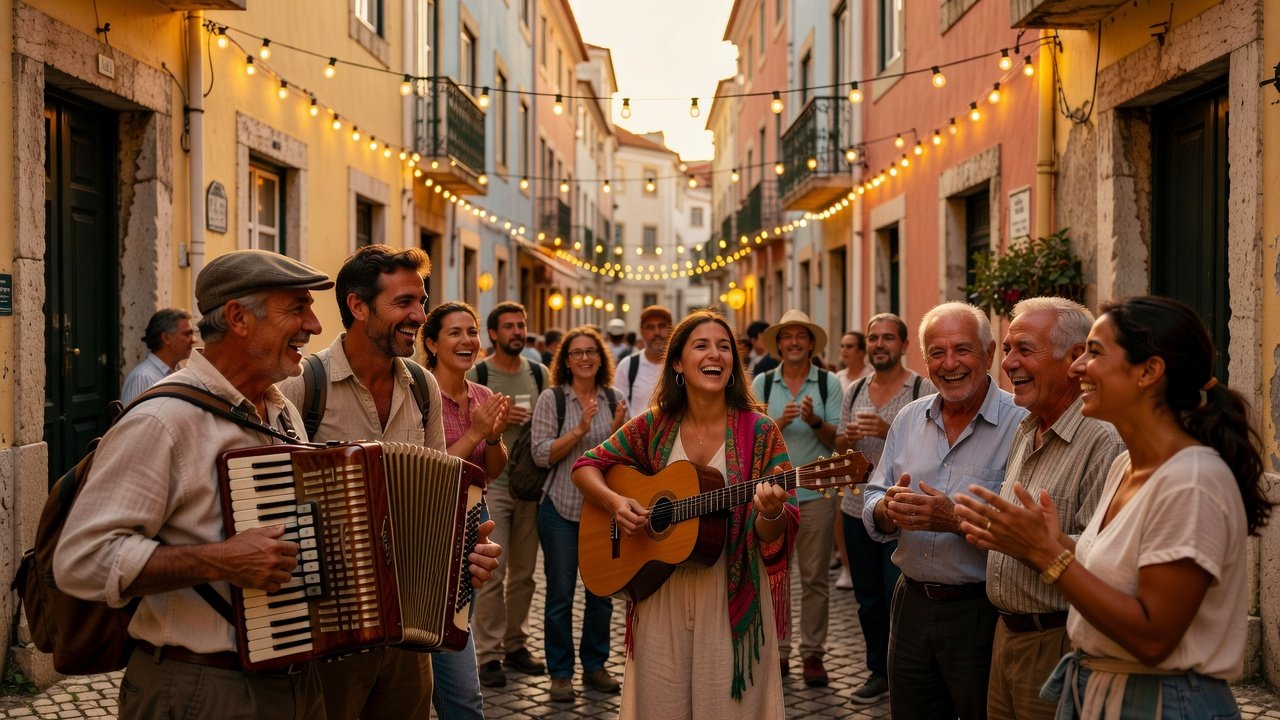
In Lisbon, research on local music forums pointed to the Mouraria district for authentic fado experiences. The traveler attended a community-organized evening gathering advertised only through neighborhood networks. By volunteering to assist with simple setup tasks and engaging respectfully with residents, they gained entry to intimate family-run venues. Timing played a crucial role: mid-week visits during shoulder seasons kept crowds minimal. Ethical practices included supporting local businesses directly and avoiding disruptive photography, resulting in memorable evenings filled with stories and traditions rarely shared with outsiders.
Case Study: Patagonia’s Remote Trails
Patagonia case studies highlight the value of combining offline maps with ranger insights. A group used forum threads to locate lesser-known trailheads near Torres del Paine. They coordinated with park authorities and cross-checked environmental guidelines from National Geographic resources. Practical steps included traveling mid-week, carrying proper gear for variable weather, and participating in a local cleanup initiative. This yielded pristine hiking routes with dramatic landscapes while minimizing impact on fragile ecosystems.
Avoiding Crowds with Timing Strategies
Successful crowd avoidance relies on data-driven timing. Travel mid-week whenever possible and target shoulder seasons. Monitor real-time apps for visitor density at gateway locations, then shift departures by one or two hours. Build flexible buffer days into itineraries to account for weather changes that affect remote sites. Additional tactics include checking local holiday calendars to steer clear of domestic peak periods and using public transport schedules to arrive before organized tours depart.
Checklists for Ethical Exploration
- Research cultural norms and dress codes thoroughly before arrival.
- Support local economies by buying directly from artisans and dining at family-owned establishments.
- Practice leave-no-trace principles and report any observed damage to park authorities immediately.
- Share experiences responsibly by omitting precise geotags for sensitive or fragile locations.
- Obtain necessary permits in advance and follow all posted regulations without exception.
- Engage with communities as a guest, prioritizing listening over documenting.
Comparison: Digital vs In-Person Discovery Methods
Digital tools such as satellite imagery and online forums provide broad overviews and initial leads but often miss subtle social cues and real-time conditions. In-person discovery through conversations with shopkeepers or event participation delivers nuanced context, personal stories, and access that algorithms cannot replicate. A hybrid model works best: use digital platforms for preliminary planning, then verify and deepen findings through direct local engagement. This combination maximizes efficiency while preserving the human element essential for authentic hidden gem experiences.
FAQs on Safety and Practical Concerns
How safe are remote hidden gems? Remote locations carry inherent risks; always inform a trusted contact of your exact itinerary, carry a basic first-aid kit, and consult official travel advisories from sources like the CDC travel page before departure.
What if language barriers arise? Translation apps combined with learning ten to fifteen key phrases demonstrate respect and often open doors; locals respond positively to genuine effort.
Are there risks with community events? Stick exclusively to publicly organized gatherings, maintain clear personal boundaries, and exit politely if any situation feels uncomfortable.
How do I handle unexpected weather in places like Patagonia? Pack layered clothing and check forecasts daily; have contingency plans that include returning to established trails if conditions deteriorate.
Conclusion: Travel Deeper in 2026
Combining thorough research, authentic community connections, precise timing, and ethical checklists allows travelers to uncover hidden gems responsibly. These 2026 strategies create lasting memories while protecting the special places that make travel meaningful for everyone involved.
No comments yet. Be the first!