 PlaceBee
Introduction to 2026 Island Hopping from Philippines to Indonesia
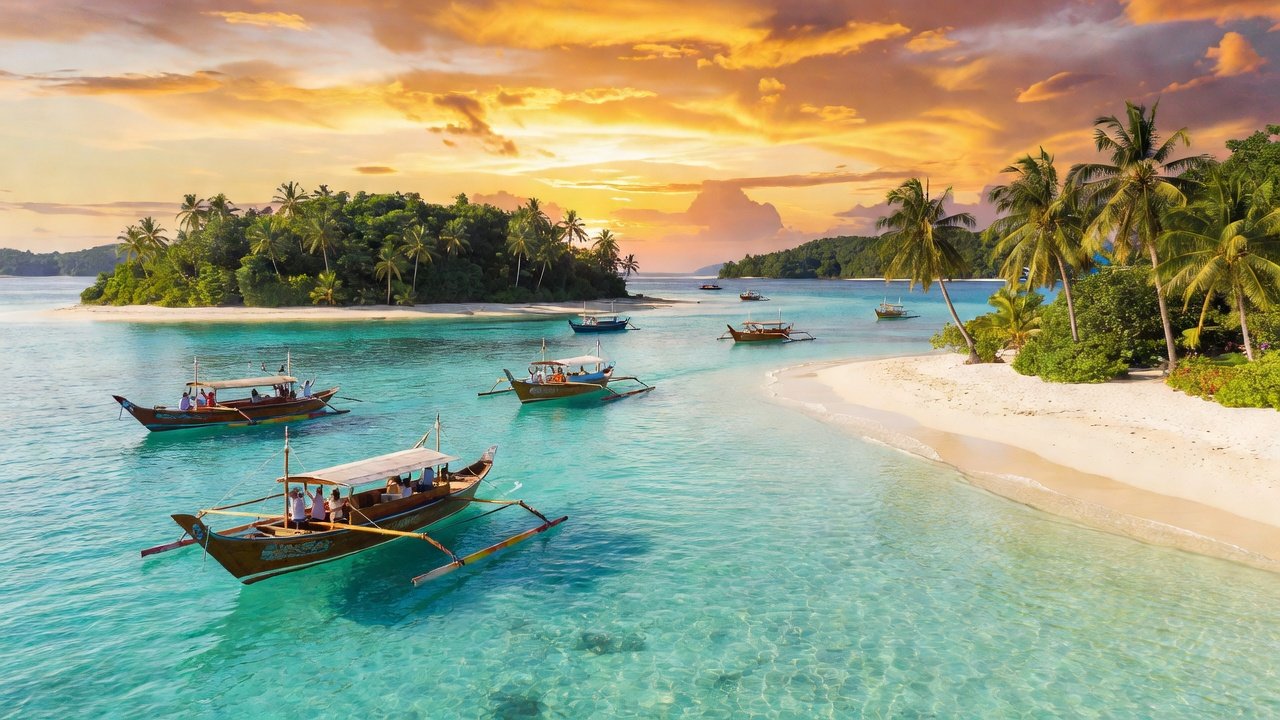
Island hopping across the Philippines and Indonesia offers adventure seekers an unforgettable multi-country experience in 2026. These two archipelagos boast thousands of islands, pristine beaches, vibrant cultures, and diverse marine life. This guide focuses on crafting 10-14 day itineraries that blend domestic flights, ferries, cultural stops, and relaxation while accounting for seasonal weather patterns and tourist crowds. Whether you are drawn to dramatic limestone cliffs or serene volcanic landscapes, combining these destinations creates a dynamic journey that goes far beyond typical beach vacations. Travelers benefit from the connectivity between the two nations, with strategic flight routes making transitions seamless. The emphasis remains on flexibility, allowing adjustments based on ferry availability or personal interests in diving, hiking, or local cuisine.
Weather Patterns and Crowd Considerations for 2026
Timing your trip is crucial for maximizing enjoyment and minimizing disruptions. The dry season in the Philippines runs from November to May, with peak crowds in December to February when popular spots like Palawan fill with visitors. Indonesia experiences similar patterns, though Bali sees increased rain from October to March, affecting outdoor activities. For 2026, aim for shoulder months like March or September to balance good weather with fewer tourists. Monsoon winds can disrupt ferry routes between islands, so monitor forecasts closely. In peak periods, book accommodations early as demand surges. Shoulder seasons also offer better opportunities for authentic interactions with locals without the overwhelming crowds at major attractions.
Sample 10-Day Itinerary: Palawan to Bali Extension
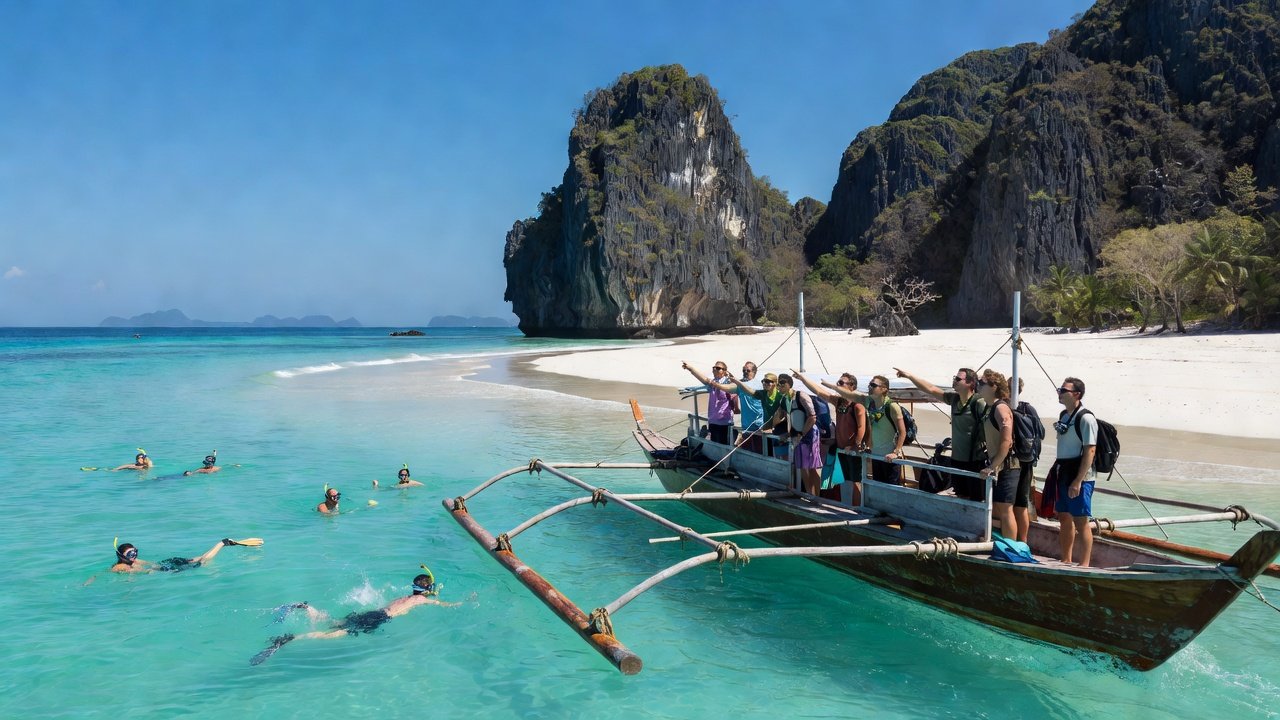
Day 1-3: Arrive in El Nido, Palawan. Explore lagoons and beaches via island hopping tours using local ferries for transfers between hidden coves. Kayak through mangrove forests and snorkel vibrant coral reefs teeming with tropical fish. Evenings involve sunset views from beach bars with fresh seafood.
Day 4-6: Travel to Coron for wrecks and hot springs. Domestic flights connect these spots efficiently, allowing time for island tours to Mount Tapyas and Kayangan Lake. The area is renowned for WWII shipwrecks perfect for diving enthusiasts.
Day 7-8: Fly to Manila then onward to Bali, Indonesia. Settle into beach resorts and visit cultural sites like Ubud's rice terraces and traditional markets. Explore temple complexes and enjoy evening dance performances.
Day 9-10: Extend to the Gili Islands by ferry for snorkeling and relaxation before departure. The islands provide a tranquil contrast with horse-drawn carts and clear waters ideal for spotting sea turtles.
This route emphasizes a mix of adventure and downtime, adaptable for different fitness levels.
14-Day Extended Route with Cultural Stops
For a longer trip, add stops in Cebu or Boracay in the Philippines before crossing to Lombok in Indonesia. Include temple visits and local markets to enrich the experience beyond beaches. Day 11-12 could feature hiking in Mount Batur area while sampling traditional Indonesian dishes. This extension allows deeper immersion into both nations' histories and ecosystems.
Budget Planning and Cost-Saving Tips
Island hopping can be budget-friendly when mixing public ferries with occasional flights. Focus on mid-range accommodations and street food for authentic flavors. Allocate resources across transport, lodging, meals, and activities by prioritizing free beaches and group tours. Research local markets for souvenirs to avoid inflated tourist prices. Consider travel during off-peak times for lower rates on ferries and domestic connections. Tracking expenses with simple apps helps maintain control without sacrificing experiences like guided cultural walks.
Packing Essentials for Multi-Island Travel
- Lightweight, quick-dry clothing for humid climates and frequent water activities
- Reef-safe sunscreen and sturdy water shoes to protect against coral and hot sand
- Portable power banks for long ferry rides and remote areas with limited charging
- Reusable water bottle and basic first-aid kit including motion sickness remedies
- Snorkel gear if space allows, plus a dry bag for protecting electronics on boats
- Modest clothing for cultural site visits and insect repellent for evening explorations
These items ensure comfort across varying island environments and transport modes.
Visa and Entry Requirements
Most travelers receive visa-free entry or visa on arrival for short stays in both countries. Check official sources such as Philippines tourism site and Indonesia travel portal for updates. Ensure passports are valid for at least six months beyond your stay. Extensions are possible through local immigration offices if plans change. Health requirements may include vaccinations, so consult reliable medical advisories prior to travel.
Optimizing Bookings with Travel Apps
Use apps like 12Go Asia for ferries and flights, or Rome2Rio for route planning. Booking platforms help compare options across clusters like Palawan versus direct Bali extensions. Set alerts for price drops to maximize savings. Additional tools include Google Translate for language barriers and offline maps for navigation on smaller islands. These resources streamline the process of securing ferries between remote points and coordinating multi-leg journeys efficiently.
Comparing Popular Island Clusters
Palawan offers dramatic limestone cliffs and underground rivers, ideal for nature enthusiasts seeking adventure. Bali provides a blend of beaches and Hindu culture with easy access to yoga retreats. Extensions to the Gili Islands add a quieter vibe compared to bustling Philippine spots like Boracay. Siargao in the Philippines contrasts with Lombok in Indonesia through its surfing waves versus volcanic hikes. Choose based on your interest in diving, hiking, or relaxation, weighing factors like crowd density and transport links.
Traveler Case Studies
One couple combined a Palawan ferry loop with a Bali cultural tour, extending their trip by three days using flexible flight bookings. They highlighted how apps helped navigate unexpected weather delays. Another solo traveler optimized with apps to visit five islands in 12 days, emphasizing local transport for authentic encounters. A family group added cultural stops in Cebu, noting the importance of packing light for frequent moves between ferries and planes.
Safety and Sustainable Travel Practices
Prioritize safety by using reputable operators for ferries and checking sea conditions daily. Respect marine environments by avoiding single-use plastics and supporting eco-certified tours. Sustainable choices include staying in community-run lodges and learning basic local phrases to foster positive interactions. These practices help preserve the natural beauty that draws visitors to these islands year after year.
Conclusion
With thoughtful planning, 2026 island hopping from the Philippines to Indonesia delivers transformative adventures. Focus on weather-aware scheduling, practical packing, and smart app usage for seamless journeys. Start early to craft your perfect multi-island escape that balances excitement with cultural depth.

No comments yet. Be the first!