 PlaceBee
Introduction to Multi-Generational Travel Planning
Creating a successful multi-generational trip requires thoughtful planning to ensure everyone from grandparents to grandchildren enjoys the journey. In 2026, travelers are focusing on flexible itineraries that balance adventure with rest, making 10-14 day trips ideal for family bonding across generations. This guide provides concrete strategies for destinations like national parks and historic cities, helping you adjust for mobility, interests, and energy levels. Families today seek experiences that foster connection without forcing every member into the same pace, allowing grandparents to share wisdom while children explore with youthful curiosity. The result is stronger relationships and memories that span decades.
Multi-generational travel strengthens family ties while creating lasting memories. Key elements include pacing activities, selecting suitable accommodations, and building in downtime. Whether exploring Yellowstone or wandering through Rome, the goal is inclusivity without exhaustion. Planning ahead also means anticipating seasonal crowds in 2026 and securing reservations early for popular sites.
Understanding Search Intent for Family Bonding Itineraries
Families search for ways to keep all ages engaged without overwhelming younger kids or older adults. This involves mixing educational experiences with light adventures. Real examples show that groups who incorporate daily flexibility report higher satisfaction. Consider a framework where mornings focus on group activities and afternoons allow personal choices. Searchers often want reassurance that differing energy levels can be managed through smart scheduling rather than rigid timetables.
Activity Pacing and Flexible Scheduling
Effective pacing starts with assessing group capabilities before departure. Begin with low-intensity days and build gradually. For instance, limit walking to under 3 miles daily initially and monitor how everyone feels by midday. Include buffer time between activities for rests or spontaneous stops. A sample schedule might feature two major outings per day with a 2-hour midday break for meals and relaxation. In practice, this could mean starting a national park visit at 9 a.m., returning for lunch and rest at the lodge, then enjoying an evening ranger program.
Adjustments for differing energy levels include offering optional add-ons. Grandparents might skip a hike while joining for evening storytelling. Use apps or shared calendars for real-time updates. Another practical step is to designate quiet hours each afternoon and alternate high-energy days with recovery ones. This approach prevents burnout and keeps the entire group positive throughout the 10-14 day window.
Accommodation Choices for Mixed Age Groups
Choose properties with varied room types, such as suites with pull-out sofas or connected rooms. Look for locations near attractions to minimize travel time. Amenities like pools, elevators, and quiet zones matter greatly. In national parks, cabin rentals often provide kitchenettes for meal flexibility, while historic cities favor central hotels with easy access to public transport. Consider properties that offer laundry facilities and on-site dining options to reduce daily stress. Reading recent guest reviews focused on multi-generational stays can reveal hidden perks like ground-floor rooms or nearby pharmacies.
Transportation Considerations
Selecting the right transportation method helps maintain harmony. Renting a spacious van or using accessible shuttles reduces arguments over directions and parking. In cities, public transit passes allow slower walkers to rest while others explore nearby. Always factor in extra time for boarding and alighting, especially when mobility aids are involved. Pre-booking transfers from airports prevents last-minute scrambles upon arrival.
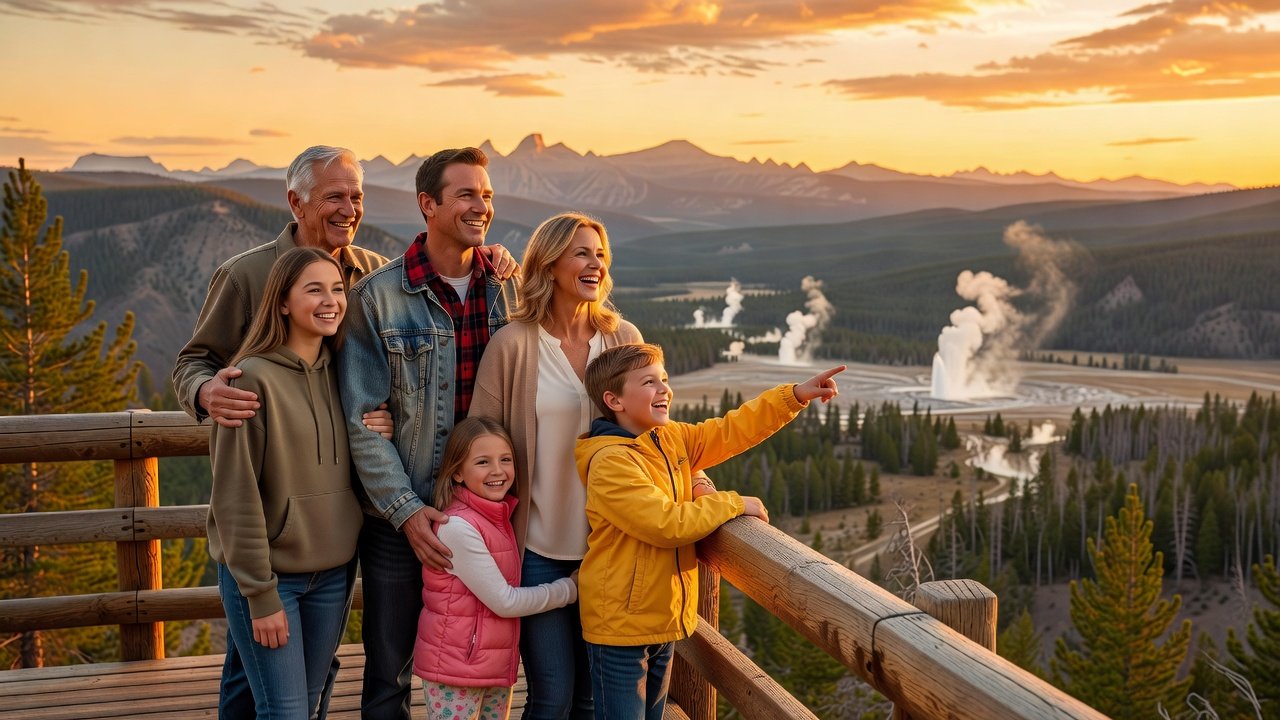
Sample 12-Day Itinerary for Yellowstone National Park
Days 1-3 focus on arrival and easy exploration of the Old Faithful area using boardwalk trails suitable for all mobility levels. Mornings include geyser viewing followed by relaxed lunches at the lodge. Days 4-6 shift to wildlife viewing from vehicles and short interpretive walks along paved paths. Evenings feature campfires with storytelling sessions that engage both children and elders. Days 7-9 cover geothermal features with planned rest stops every 45 minutes. Days 10-12 allow a relaxed departure with optional ranger talks or gentle lakeside picnics. This plan incorporates mobility adjustments like accessible shuttles and alternative indoor visitor centers for rainy days.
National Park Service resources help customize further for accessibility needs.
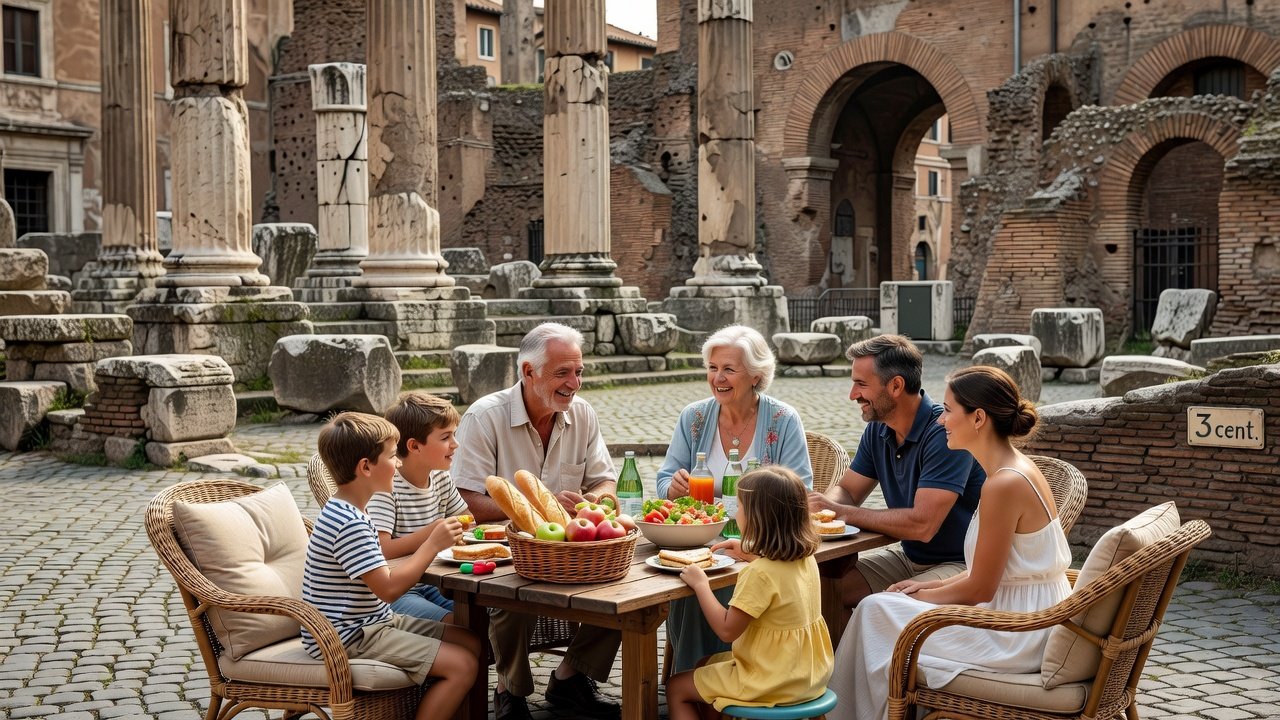
Sample 12-Day Itinerary for a Historic City Like Rome
Days 1-3 center on the Colosseum and Forum with guided tours that minimize walking through timed entries. Afternoons include shaded café breaks. Days 4-6 explore the Vatican Museums and gardens, using wheelchairs or scooters for longer galleries. Days 7-9 feature Trastevere neighborhood strolls interspersed with gelato stops and optional cooking classes. Days 10-12 offer day trips to nearby ruins with flexible return times and backup indoor museum visits. Interest adjustments might include art workshops for kids alongside deeper museum visits for adults.
UNESCO World Heritage Centre provides background on historic sites to enrich discussions during downtime.
Mobility and Interest Adjustments
Assess needs upfront with a group survey covering walking distance tolerance, dietary preferences, and favorite activity types. Provide options like electric scooters or shorter routes for those who need them. For varying interests, blend history with nature or culture with cuisine by rotating daily themes. A decision framework involves voting on daily priorities while ensuring veto power for accessibility concerns. Practical examples include splitting into two subgroups for an afternoon, then reuniting for dinner to share stories.
Cost-Sharing Tips and Group Decision Frameworks
Share expenses by dividing into categories like lodging, meals, and activities. One effective method is a shared fund contributed proportionally to age or income. Decision-making uses consensus meetings pre-trip and daily check-ins to adjust plans. This reduces conflicts and promotes fairness. Create a simple shared document listing all expected costs and who covers what portion to avoid surprises.
Packing Checklists for All Ages
- Comfortable walking shoes with arch support for everyone
- Medications and a basic first-aid kit including motion sickness remedies
- Layered clothing for variable weather and quick-dry fabrics
- Entertainment like books, portable games, or tablets for downtime
- Reusable water bottles and healthy snacks for all ages
- Mobility aids if needed, such as canes, portable seats, or compression socks
- Sunscreen, hats, and insect repellent suitable for sensitive skin
- Small backpacks or crossbody bags to keep hands free
Common Mistakes to Avoid
- Over-scheduling every hour without buffer time
- Ignoring individual mobility assessments until arrival
- Choosing accommodations far from main attractions
- Failing to communicate changes promptly to the full group
- Assuming everyone enjoys the same activity intensity daily
FAQ on Handling Differing Energy Levels
How do we manage when kids have high energy but grandparents tire quickly?
Schedule high-energy activities first, followed by rest periods. Split the group temporarily if needed and reconvene for meals.
What if someone changes their mind mid-trip?
Build in alternatives and communicate openly each evening. Flexibility remains key to overall enjoyment.
Are there ways to include technology for coordination?
Yes, shared group chats or location-sharing apps help keep everyone connected without constant phone calls.
How can we handle dietary restrictions across generations?
Research restaurants with varied menus ahead of time and carry portable snacks that meet multiple needs.
What backup plans work best for sudden weather changes?
Always have indoor alternatives like museums or shopping districts mapped out near each day's main site.
Conclusion
With careful planning, 2026 multi-generational trips can be rewarding for all. Focus on balance, communication, and adaptability to create unforgettable experiences that span generations. Start early, involve every family member in decisions, and remain open to adjustments along the way.

No comments yet. Be the first!