 PlaceBee
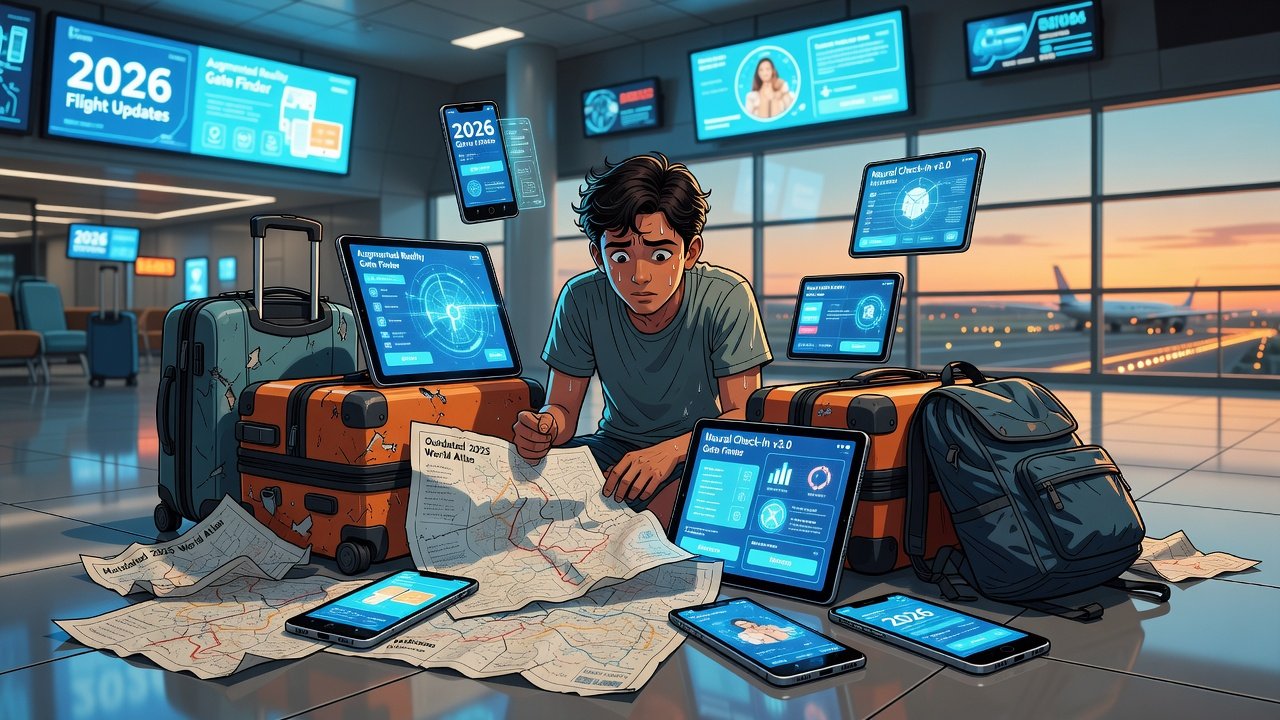
Introduction: Why 2026 Itinerary Planning Needs a Reset
Travelers in 2026 face more digital tools than ever, yet many still fall into the same planning traps that lead to stress, missed connections, and wasted money. From over-reliance on apps to rigid schedules that ignore real-world variables like strikes or weather shifts, poor itinerary design can derail even the best-laid trips. This comprehensive guide breaks down eight specific itinerary fails with fresh 2026 examples, real-world case studies, reader-submitted solutions, and practical tools such as checklists and an app comparison table. Whether you're booking a multi-city adventure or a simple weekend escape, these actionable fixes will keep your trip on track from start to finish. By the end, you'll have strategies to build resilient plans that adapt to surprises while maximizing enjoyment.
Fail 1: Ignoring Buffer Days
Many itineraries pack every hour without breathing room, assuming perfect timing across all legs of the journey. In 2026, with unpredictable flight delays from weather apps, global events, and increased air traffic, skipping buffer days remains a top mistake. Consider a family from Chicago who missed their connecting train in Europe because a 2026 rail strike extended one leg by four hours, forcing them to cancel hotel reservations and pay extra for last-minute alternatives. Fast fix: Always add one buffer day per five travel days. Use a simple checklist: Review your full route, identify high-risk segments such as international transfers, and insert rest days before key events like tours or meetings. This approach not only prevents burnout but also allows time for spontaneous discoveries, turning potential disasters into opportunities for relaxation.
Fail 2: Skipping Offline Backups
Relying solely on cloud apps leaves you stranded when signals drop or devices fail. A solo traveler in Southeast Asia lost all bookings during a 2026 network outage caused by regional infrastructure issues, leading to hours of stress at the airport. Fast fix: Download PDFs of confirmations and maps in advance. Create an offline folder on your device and print key documents for redundancy. Expand this by testing your backups before departure—open files on a secondary device and verify they contain full details like addresses, times, and contact numbers. This simple habit ensures continuity even in remote areas with poor connectivity.

Fail 3: Mismatching Transport Modes
Choosing the wrong mix of planes, trains, and buses causes unnecessary exhaustion and delays. For instance, opting for overnight buses after long flights in 2026 often results in poor rest and missed connections. Compare options early using authoritative resources like U.S. Department of State travel information for safety insights and route reliability. Practical steps include mapping total travel time including transfers, factoring in luggage limits, and prioritizing modes that align with your energy levels and group size.
Fail 4: Digital Overload from Too Many Apps
Switching between 10+ planning apps leads to confusion, duplicated efforts, and overlooked details. A reader-submitted case from 2026 described juggling separate tools for flights, hotels, and activities, resulting in a double-booked reservation. Fast fix: Consolidate to three core tools and test them thoroughly before departure. Build a master document that syncs everything and set daily review times to avoid constant notifications.
Fail 5: Rigid Pacing Without Flexibility
Sticking to a minute-by-minute schedule ignores spontaneous opportunities or sudden fatigue. In 2026 examples, travelers who refused to adjust for local festivals missed enriching experiences. Build in 20% flexible time daily by blocking mornings for must-dos and afternoons for exploration. This balanced pacing reduces stress and enhances satisfaction.
Fail 6: Overlooked Logistics Like Visas and Permits
Forgetting entry requirements or health documentation ruins trips at the border. A 2026 group was turned away from a destination due to outdated permit checks. Check CDC travel health notices alongside visa rules and create a dedicated folder for scanned copies of all documents, including insurance and vaccination records.
Fail 7: Ignoring Seasonal or Weather Realities
Planning a beach trip during monsoon season or hiking in peak heat wastes days and risks safety. Review historical data from sources like World Health Organization climate resources and local forecasts months ahead. Adjust dates or pack appropriately with layered clothing and flexible indoor alternatives.
Fail 8: Neglecting Local Customs and Etiquette
Cultural missteps cause awkward situations or even legal issues. Research basics via trusted guides, practice simple phrases, and review etiquette lists for dining, photography, and greetings. Reader fixes include joining pre-trip cultural webinars to build awareness.
App Comparison Table
Choosing the right apps can prevent many fails. Here's a detailed comparison based on 2026 user feedback:
| App | Best For | Offline Mode | 2026 Rating | Key Limitation |
|---|---|---|---|---|
| TripIt | Consolidating bookings | Yes | 4.7 | Limited real-time alerts |
| Rome2Rio | Transport options | Limited | 4.5 | Requires internet for full routes |
| Google Trips Archive | Day planning | Strong | 4.3 | Less focus on bookings |
| Wanderlog | Collaborative itineraries | Partial | 4.6 | Premium features for advanced tools |
Test at least two apps in a trial run to see which fits your style.
Downloadable Checklist: Pre-Trip Essentials
- Confirm all reservations twice with providers
- Download offline maps and translation apps
- Set buffer days after major travel segments
- Test transport connections with sample times
- Research customs, visas, and health requirements
- Print and save digital copies of all documents
- Pack adapters and power banks for devices
- Share itinerary with emergency contacts
- Review insurance coverage details
- Identify local emergency numbers in advance
Step-by-Step Recovery Plan for Mid-Trip Disasters
- Stay calm and assess the issue by listing affected bookings and deadlines.
- Contact providers immediately via app, email, or phone, keeping records of all communications.
- Use buffer time or rebook alternatives while checking multiple transport options.
- Document everything with photos and notes for potential refunds or insurance claims.
- Adjust the rest of the itinerary by prioritizing must-see items and dropping less critical ones.
- Seek local help through tourist offices or apps if language barriers arise.
- Reconnect with your support network at home for additional advice or arrangements.
FAQ
How do I handle sudden flight cancellations in 2026? Monitor airline apps and have backup transport ready, including rail or bus alternatives identified in advance.
Is digital overload really that bad? Yes—readers report 30% more stress when juggling too many tools, leading to overlooked details and decision fatigue.
Can I fix an itinerary once the trip starts? Absolutely, using the recovery plan above to regain control quickly.
What if weather changes my plans dramatically? Build seasonal buffers and always have indoor or alternative activity lists prepared.
Conclusion
Mastering these eight fails turns chaotic trips into seamless experiences. Apply the checklists, compare apps wisely, and always leave room for the unexpected. Your 2026 adventures will thank you for the extra preparation, resulting in memorable journeys rather than stressful ordeals.

No comments yet. Be the first!