 PlaceBee

Introduction to Your 7-Day Thailand Adventure
Thailand continues to rank among the top global destinations for travelers who want a seamless blend of ancient culture, vibrant street food scenes, and pristine tropical beaches. This comprehensive 7-day itinerary for 2026 is crafted specifically for those flying into Bangkok and finishing in Phuket, delivering the perfect equilibrium between urban discovery and coastal relaxation. The route prioritizes iconic landmarks while weaving in practical advice on transport, daily pacing, and seasonal timing so you can make the most of your limited vacation days without feeling rushed. Whether you are a couple seeking romantic sunsets, a family traveling with children, or a solo adventurer craving both temples and snorkeling, this plan adapts easily. Thailand’s improved infrastructure in 2026 means domestic flights, high-speed rail options, and eco-friendly ferries connect the destinations smoothly, allowing more time for experiences rather than transit delays.
Travelers searching for ways to combine city energy with beach downtime will find this guide particularly useful because it balances must-see highlights with flexible downtime blocks. You will receive sample hourly schedules for each day, packing lists tailored to Thailand’s climate, and customization ideas that address common questions about family-friendly adjustments or couple-oriented upgrades. Throughout the itinerary we emphasize responsible tourism practices that protect Thailand’s natural and cultural heritage for future visitors.
Day 1: Arrival in Bangkok and Cultural Immersion
Land at Suvarnabhumi Airport and transfer via the Airport Rail Link directly into the city center, avoiding traffic and giving you immediate access to your hotel. Check in, then head straight to the Grand Palace and adjacent Wat Phra Kaew to witness the breathtaking spires and the revered Emerald Buddha statue. Allow three to four hours here, wearing modest clothing that covers shoulders and knees. In the late afternoon, wander the flower market at Pak Khlong Talat before moving to Yaowarat Road in Chinatown for dinner. Sample grilled seafood, boat noodles, and mango sticky rice from street vendors while soaking in the neon-lit atmosphere. End the evening with a short river cruise along the Chao Phraya to see illuminated temples from the water. Rest early to reset your body clock.
Day 2: Temples, Markets, and Local Life in Bangkok
Begin at sunrise with a ferry ride to Wat Arun, where the morning light accentuates the porcelain mosaics on the central prang tower. After exploring the temple grounds, take a long-tail boat through the narrow canals of Thonburi to experience traditional riverside homes and floating markets. If time allows, visit the larger Damnoen Saduak floating market for fresh produce, coconut pancakes, and souvenir shopping. Afternoon options include the massive Chatuchak Weekend Market if your visit aligns with the weekend, or a visit to Jim Thompson House for silk history and architecture. Evening brings the option of a Thai cooking class or a relaxed rooftop bar overlooking the skyline. This day demonstrates how Bangkok seamlessly mixes sacred sites with everyday commerce and modern leisure.
Day 3: Travel to Phuket and Initial Beach Relaxation
Take an early domestic flight from Bangkok to Phuket, a journey of roughly ninety minutes that lets you reach your resort by late morning. Choose accommodations in Kata or Karon Beach for quieter sands compared with the busier Patong area. After settling in, spend the afternoon swimming, building sandcastles, or simply reading under palm trees. The transition from Bangkok’s density to Phuket’s turquoise waters provides immediate contrast and sets the tone for the remainder of the trip. Use the evening for a gentle beach walk and a seafood dinner at a local restaurant overlooking the bay.
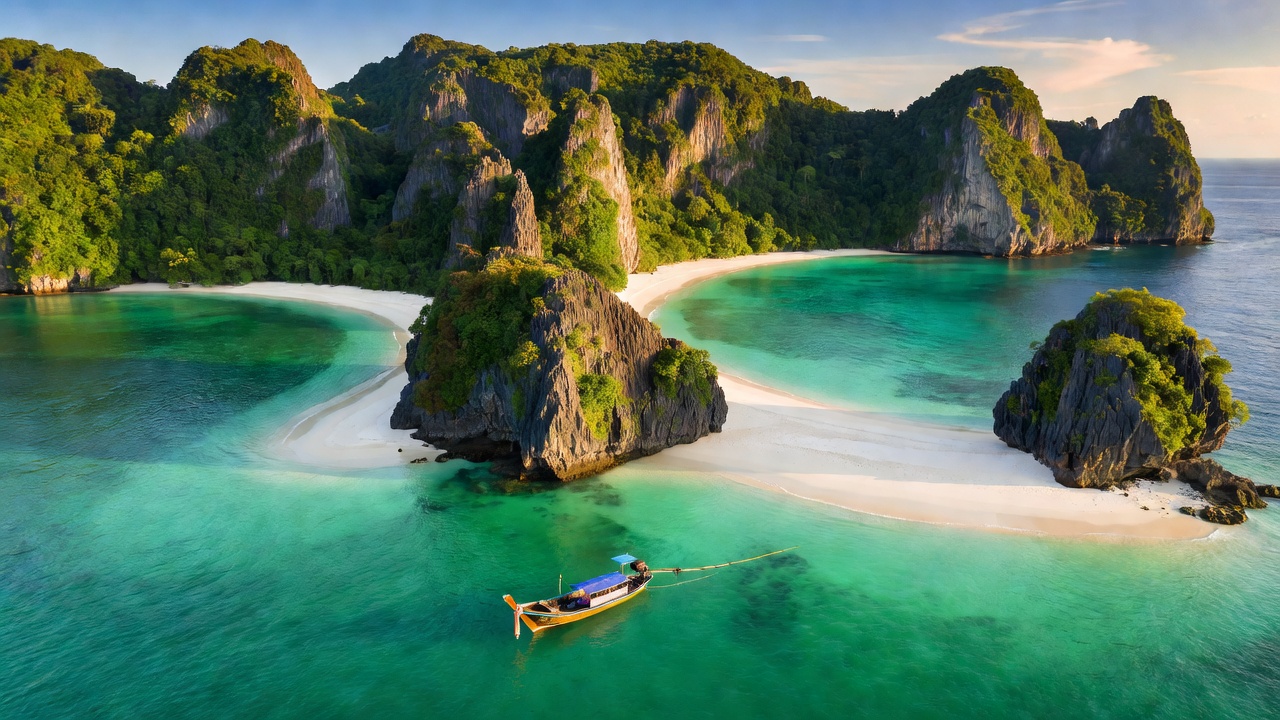
Day 4: Island Hopping and Marine Adventures
Join a small-group speedboat tour to the Phi Phi archipelago, visiting Maya Bay early before crowds arrive, then snorkeling at Pileh Lagoon and Viking Cave. Lunch is typically served on a sheltered beach where you can swim or kayak. The tour returns to Phuket by late afternoon, leaving time for a sunset yoga session or spa treatment back at the resort. This full-day excursion highlights Thailand’s world-famous marine biodiversity while giving you practical insight into how operators manage visitor numbers to reduce environmental impact.
Day 5: Exploring Phuket’s Cultural Heritage
Devote the morning to Phuket Old Town, strolling pastel-colored Sino-Portuguese shophouses and sampling Phuket-style coffee at historic cafés. Climb to the Big Buddha statue for sweeping views across the island and surrounding bays. In the afternoon, relax at a quieter beach or visit the Phuket Aquarium if traveling with children. Evening entertainment centers on the bustling Phuket Weekend Market, where you can bargain for handicrafts, taste local desserts, and watch live music. This day shows that Phuket offers far more than beaches; it possesses a layered history worth exploring.
Day 6: Nature, Wildlife, and Adventure Options
Choose between an ethical elephant sanctuary experience focused on observation and feeding rather than riding, or a guided trek through Khao Phra Thaeo National Park to see gibbons and rare flora. Alternatively, book a sea-kayaking trip in Phang Nga Bay to paddle among towering limestone karsts and hidden lagoons. Each activity includes certified guides and safety briefings. Return to your resort for a final beach sunset and perhaps a Thai massage to soothe muscles after the day’s exertion.
Day 7: Morning Leisure and Departure
Enjoy a final swim or breakfast with an ocean view before transferring to Phuket International Airport. If your flight departs later, many resorts offer day-use facilities so you can shower and store luggage after checkout. Reflect on how the week progressed from temple spires to island horizons, creating lasting memories of Thailand’s contrasts.
Transport Tips and Timing Recommendations
Domestic flights remain the quickest link between Bangkok and Phuket, though overnight trains provide scenic alternatives for those with flexible schedules. Book transfers in advance during peak months and use ride-hailing apps for short city hops. Allow buffer time between activities, especially when moving between islands via ferry. Early morning departures consistently yield better light for photography and fewer crowds at major sites.
Packing Advice for 2026 Travelers
- Lightweight, quick-dry clothing suitable for both temple visits and beach days
- Comfortable walking shoes plus flip-flops for sand and water
- Modest outfits covering shoulders and knees for religious sites
- Reef-safe sunscreen, insect repellent, and a reusable water bottle
- Universal power adapter, portable charger, and lightweight rain jacket
- Small daypack for island tours and a dry bag for electronics near water
Estimated Costs and Budget Planning
Mid-range travelers can enjoy comfortable hotels, domestic flights, meals at local restaurants, and guided excursions by choosing wisely and booking ahead. Street food and night markets keep daily dining costs low while still delivering authentic flavors. Check the Tourism Authority of Thailand website for seasonal promotions and current entry requirements.
Customizing for Families or Couples
Families benefit from adding water parks or shorter boat trips with shaded seating. Couples may prefer private long-tail boat charters at sunset and boutique hotels with plunge pools. Both groups should build in extra beach downtime to prevent fatigue, especially when traveling with young children or during warmer months.
Mistakes to Avoid on This Route
Common pitfalls include over-scheduling temple visits without adequate rest, neglecting sun protection, or choosing elephant rides instead of sanctuaries. Always confirm tour operators hold proper licenses and carry travel insurance that covers water sports and medical evacuation.
Sustainable Travel Practices
Support local businesses, decline single-use plastics, and choose operators that follow marine park guidelines. Carrying a reusable tote and water bottle reduces waste across both Bangkok markets and Phuket beaches.
FAQ
What are the visa rules for Thailand in 2026?
Most passport holders receive a 60-day visa exemption upon arrival. Confirm the latest policy directly with Thai embassies or official immigration portals before departure.
When is the best season to visit?
The dry season from November through April offers the most reliable weather for beaches and outdoor plans, though shoulder months can provide lower crowds and rates.
How can I customize this for families or couples?
Families can swap one island tour for a water park day, while couples might add a private dinner cruise. Adjust pacing by inserting extra rest days wherever energy levels require.
Additional planning resources are available through Lonely Planet guides covering Thailand’s diverse regions in greater depth.


No comments yet. Be the first!