 PlaceBee
Introduction to Your 10-Day New Zealand Adventure
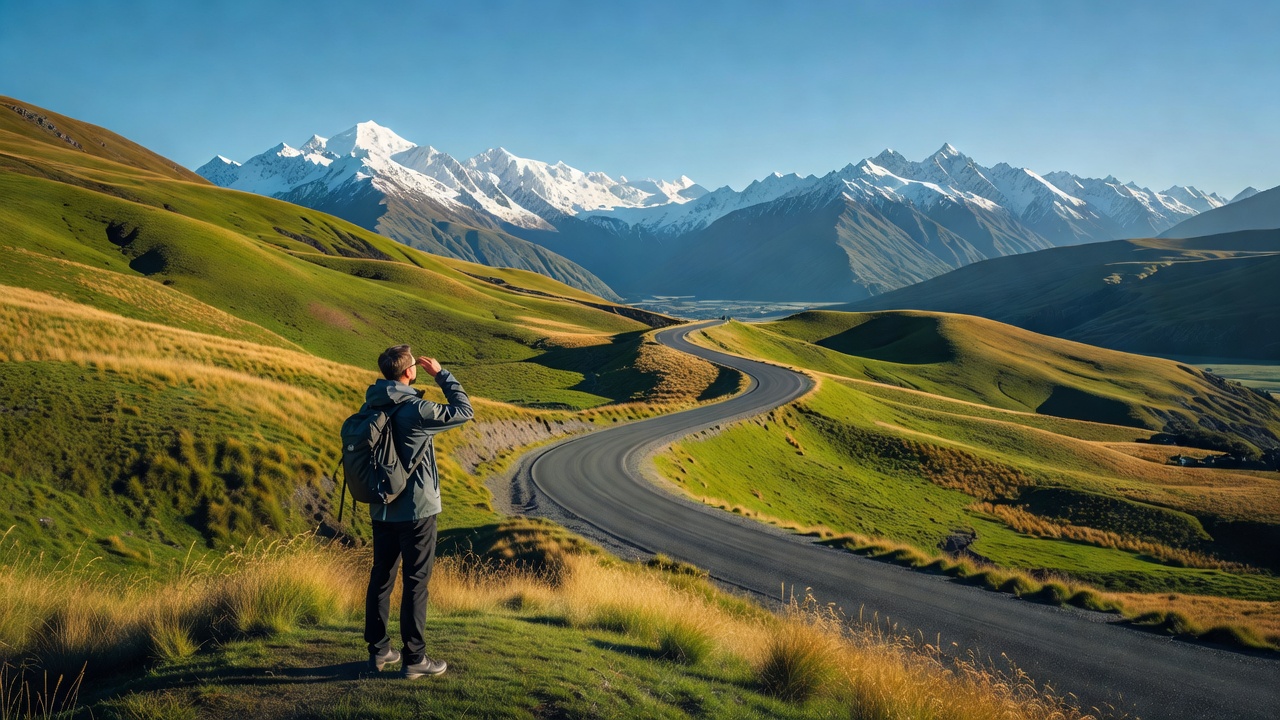
New Zealand delivers an unforgettable blend of dramatic landscapes, geothermal wonders, and adventure opportunities that attract first-time visitors year after year. This comprehensive 10-day itinerary for 2026 is crafted specifically for travelers seeking the ideal balance between thrilling activities and restorative downtime while journeying from the North Island to the South Island. Beginning in Auckland and progressing through Rotorua before culminating in Queenstown and Milford Sound, the plan incorporates realistic daily pacing, multiple transport choices, and tailored activity suggestions that adapt to seasonal conditions.
Visitors planning for 2026 should note that peak summer demand means securing flights, accommodations, and popular experiences several months ahead. This guide expands on every segment with practical routing details, real-world examples from recent travelers, and decision-making frameworks to help you customize the journey. Whether your priority is hiking pristine trails or enjoying relaxed wine tours, following this structure ensures efficient movement between islands without unnecessary backtracking.
Day-by-Day Itinerary Breakdown
Days 1-2: Auckland Arrival and Northern Highlights
Upon landing at Auckland International Airport, transfer via shuttle or rental car to the city center. Day one focuses on easing into New Zealand time with a relaxed waterfront stroll along the Viaduct Harbour followed by a ferry ride to Waiheke Island. Here you can sample local wines at family-owned vineyards and swim at sheltered beaches like Onetangi. On day two, ascend the Sky Tower for 360-degree city views, then explore the Auckland Domain and Wintergardens before catching an afternoon bus or domestic flight connection toward Rotorua. First-timers benefit from staying near the central business district for easy access to restaurants serving fresh seafood and Māori-inspired cuisine.
Days 3-4: Rotorua Geothermal and Cultural Experiences
Rotorua serves as the geothermal heart of the North Island. Begin day three with a guided tour of Te Puia to witness the famous Pohutu Geyser and learn about traditional Māori carving and weaving. Afternoon options include a relaxing soak in natural hot pools at Hell's Gate or an adrenaline-pumping zorb ride down grassy slopes. Day four allows time for a scenic drive around Lake Rotorua with stops at hidden waterfalls and a visit to the Blue and Green Lakes. Many travelers extend their stay by adding a half-day mountain bike adventure through Whakarewarewa Forest, known for its well-maintained trails suitable for various skill levels.
Days 5-7: Queenstown Arrival and South Island Adventures
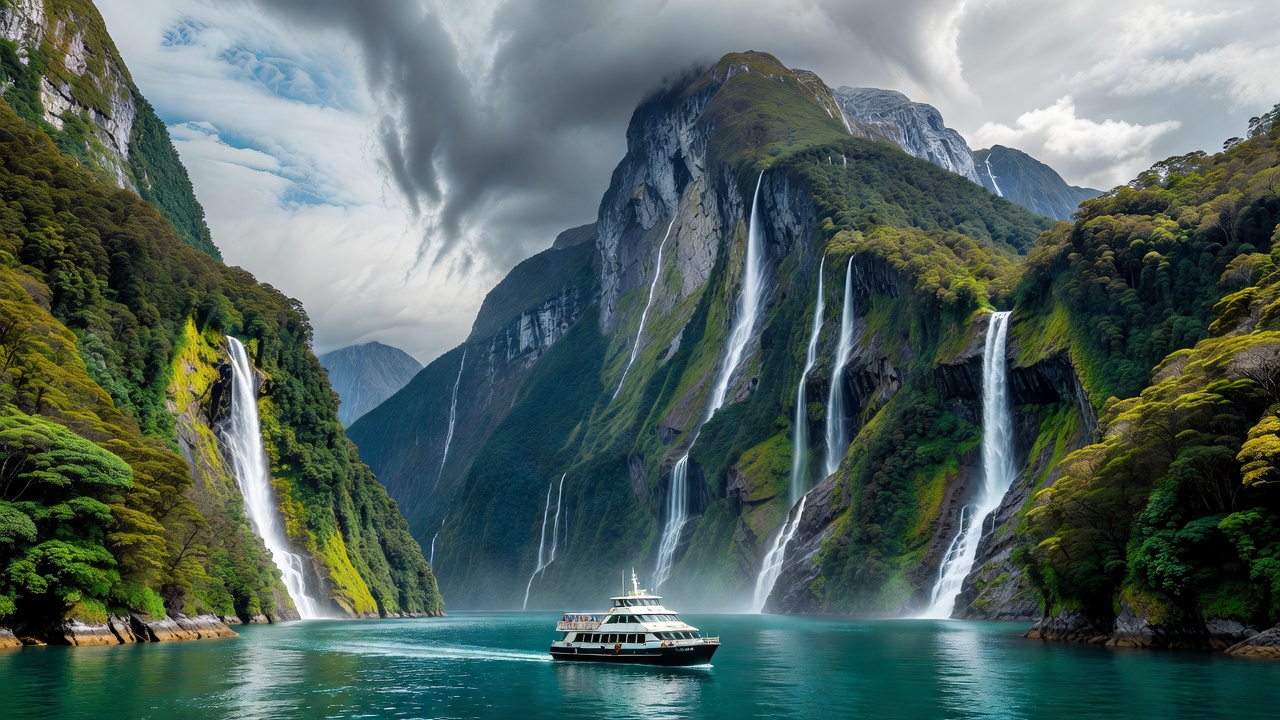
Travel south via a scenic domestic flight or an internal road transfer combined with ferry crossing. Queenstown welcomes visitors with its stunning setting on Lake Wakatipu. Day five typically involves orientation via the Skyline Gondola followed by a jet boat ride on the Shotover River. Day six is reserved for iconic activities such as bungee jumping at Kawarau Bridge or a helicopter flight over the Remarkables mountain range. The highlight of day seven is an early departure for Milford Sound, where you board a cruise to view towering cliffs, cascading waterfalls, and possible dolphin sightings. Pack layers as weather in Fiordland can shift rapidly even in summer months.
Days 8-10: Fiordland Exploration and Departure
Return to Queenstown base on day eight for more relaxed pursuits such as a wine tour through the Gibbston Valley or a short hike in nearby Moke Lake. Day nine offers flexibility for either a full-day trek in Fiordland National Park or a scenic helicopter ride over glaciers. On your final day, enjoy a leisurely breakfast overlooking the lake before transferring to Queenstown Airport for your outbound flight. This measured pace prevents fatigue while maximizing memorable moments across both islands.
Seasonal Highlights for 2026
During the 2026 summer months from December through February, extended daylight supports longer hikes and evening outdoor dining. Shoulder periods such as March bring fewer crowds and spectacular autumn foliage across the South Island, particularly around Queenstown. Winter visitors from June to August can enjoy snow sports near Queenstown while northern regions remain milder for cultural tours.
Transport Options: Road-Tripping Versus Domestic Flights
Choosing between self-drive road trips and domestic flights depends on your available time and desire for flexibility. Road-tripping grants spontaneous stops at lookouts and small towns but demands careful planning around ferry schedules between islands. Domestic flights operated by established carriers provide swift connections from Auckland to Queenstown, freeing up days for activities. A hybrid approach works well for most 10-day visitors: drive or bus within the North Island then fly south. Resources like the official New Zealand tourism site at newzealand.com offer up-to-date route planners and booking links.
Packing List for Varied Climates
New Zealand weather changes quickly across regions and elevations. Essential items include moisture-wicking base layers, a waterproof shell jacket rated for wind and rain, broken-in hiking boots with good grip, wide-brim hat, reef-safe sunscreen, and quick-dry towel. Additional recommendations cover a compact daypack, reusable water bottle, universal power adapter, and lightweight gloves for cooler mornings. Always check current forecasts through the MetService app before heading into remote areas such as Milford Sound.
Budget Breakdown for Different Traveler Types
Backpackers can manage costs effectively by mixing public buses, hostel stays, and self-catering meals. Mid-range travelers typically combine a few guided tours with comfortable lodges and occasional restaurant dinners. Luxury seekers often book private transfers, premium helicopter experiences, and fine dining throughout the itinerary. Regardless of style, allocating extra funds for unexpected weather-related changes or activity upgrades ensures a smoother trip.
Interactive Map Suggestions and Practical Tips
Digital tools such as Google My Maps allow you to pin daily stops and calculate realistic driving times. Apps like CamperMate provide user reviews for campsites and road conditions. Real-world advice from frequent visitors includes starting early each morning to avoid tour bus crowds at Milford Sound and confirming activity cancellations policies in advance due to variable alpine weather.
Common Mistakes to Avoid
- Underestimating travel times between distant locations like Rotorua and Queenstown
- Skipping travel insurance that covers adventure activities
- Ignoring booking windows for popular cruises and flights during 2026 peak season
- Packing only summer clothing without rain protection
FAQ
How do I handle jet lag upon arrival?
Begin adjusting your sleep schedule three days before departure and prioritize morning sunlight exposure plus light walks on your first day in Auckland to accelerate circadian reset.
When should activities be booked for 2026 travel?
Reserve Milford Sound cruises and Queenstown adventure bookings at least three months ahead, particularly for December through February departures.
Is the itinerary suitable for families with children?
Absolutely, by substituting extreme sports with scenic cruises, short nature walks, and interactive cultural shows that appeal to all ages.
What are the best options for travelers with mobility considerations?
Many routes offer accessible shuttles and adapted boats; contact operators directly and review accessibility details on the Department of Conservation website at doc.govt.nz.
Conclusion
This carefully structured 10-day New Zealand itinerary equips first-time visitors with everything needed for an enriching North to South Island journey in 2026. Thoughtful planning around transport choices, seasonal timing, and essential packing details transforms potential stress into seamless enjoyment of the country's extraordinary natural beauty. Begin your preparations early to secure the experiences that will create lasting memories.

No comments yet. Be the first!