 PlaceBee

Solo vs Group Trip Itineraries 2026: Which Vacation Plans Win?
Deciding between a solo adventure and a group vacation for 2026 requires understanding how each style shapes your experience. Travelers today seek itineraries that balance freedom with connection, cost efficiency with memorable moments, and structured plans with room for spontaneity. This in-depth comparison examines flexibility, budgeting approaches, social aspects, and practical planning tools to help you select and customize the right format.
Understanding Flexibility in Travel Planning
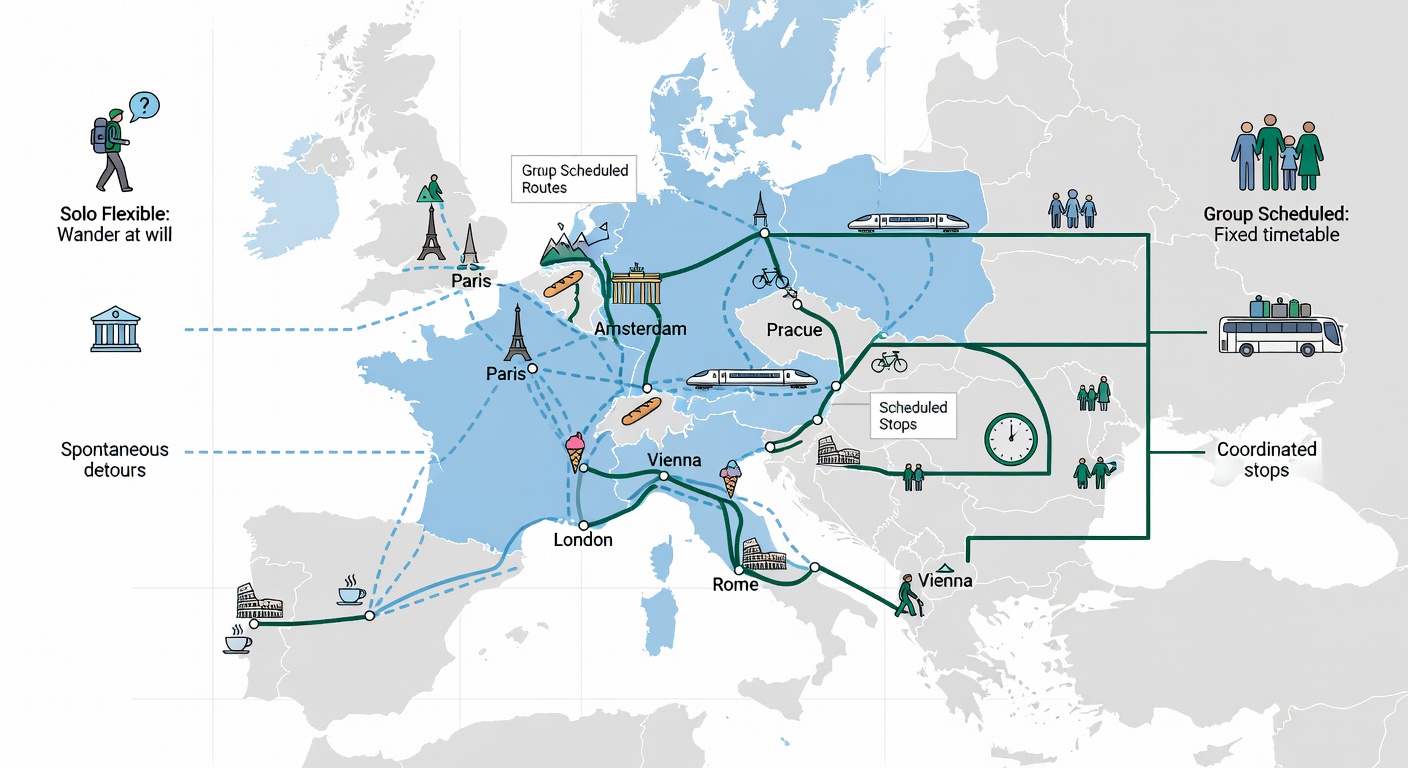
Flexibility remains one of the strongest differentiators between solo and group trips. Solo travelers enjoy unmatched autonomy, allowing them to alter routes based on weather, personal energy, or sudden interests. For instance, a solo explorer in a new city might extend a museum visit or detour to a local market without discussion. Group trips, however, thrive on collective decision-making that can uncover unexpected highlights through diverse perspectives.
In 2026, digital tools make both styles more adaptable than ever. Solo travelers can use real-time apps to pivot plans instantly, while groups coordinate via shared calendars. The key lies in setting expectations early to prevent frustration during the journey.
Step-by-Step Customization for Solo Itineraries
- Identify core interests and must-visit landmarks using trusted guides from Lonely Planet.
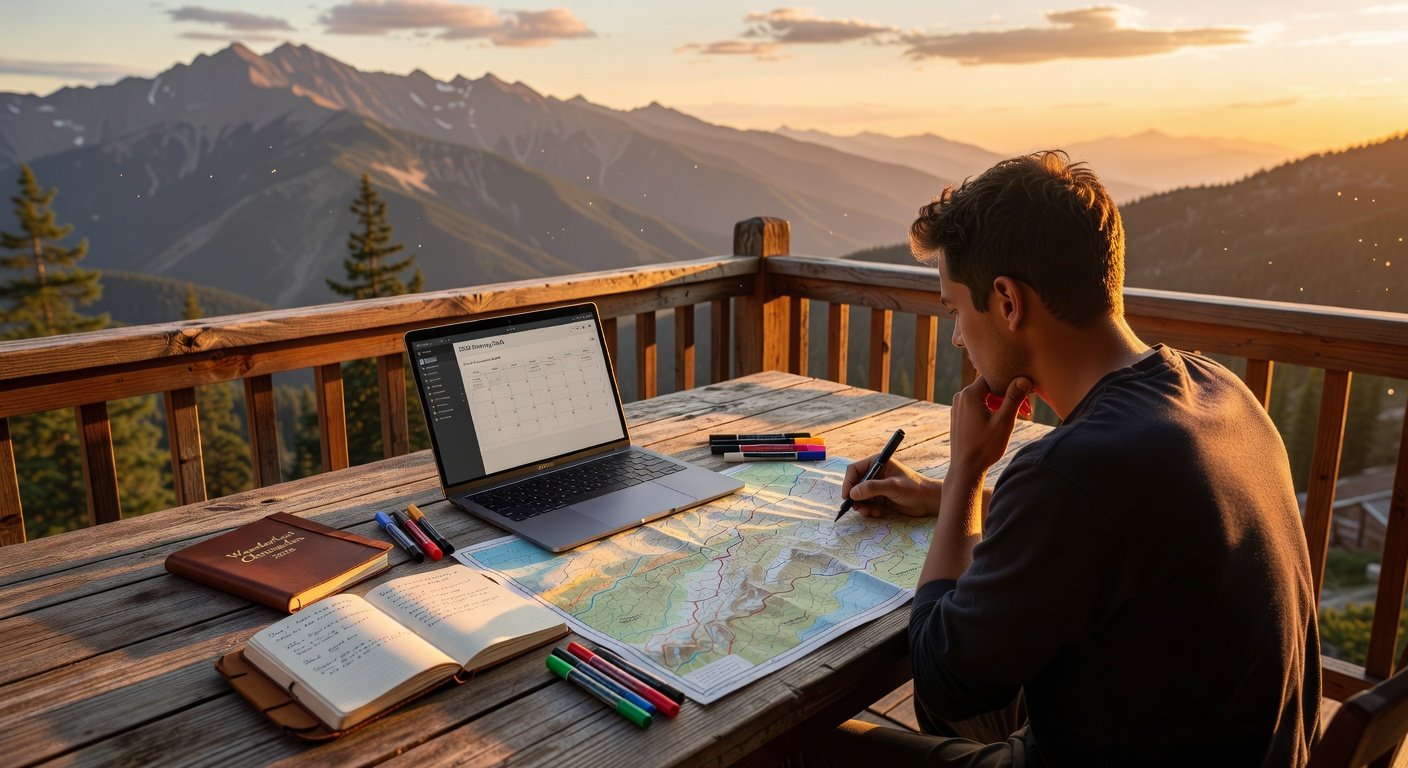
- Map a loose daily skeleton with built-in free blocks for exploration.
- Select lodging and transport options that allow last-minute changes.
- Incorporate personal wellness elements like rest days or fitness routines.
- Review and refine the plan weekly leading up to departure.
Step-by-Step Customization for Group Itineraries
- Collect input from all members through surveys on priorities and dietary needs.
- Establish a shared document for voting on activities and restaurants.
- Designate roles such as navigator, photographer, and emergency contact.
- Build in daily independent time to maintain individual satisfaction.
- Schedule pre-trip meetings to align on budget and pace expectations.
Budgeting Approaches Without Fixed Numbers
Budget considerations differ markedly between the two formats. Solo journeys often involve full individual payments for accommodations and experiences, encouraging careful selection of value-driven options. Group travel spreads expenses across participants for items like vehicle rentals or guided tours, fostering a sense of shared investment. Focus on long-term value such as quality experiences rather than short-term discounts when outlining 2026 plans.
Social Dynamics and Personal Growth
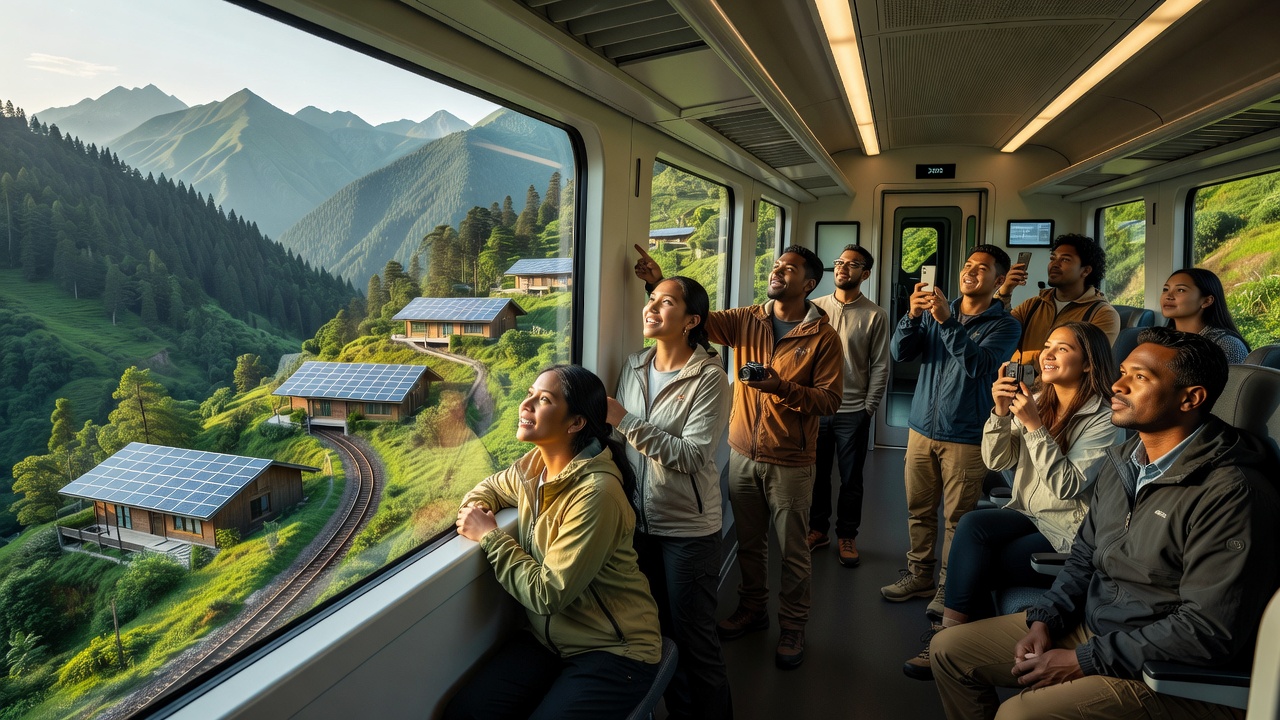
Solo travel promotes deep self-reflection and organic interactions with locals or fellow wanderers. Many return with heightened confidence and new friendships formed along the way. Group dynamics create bonds through shared challenges and celebrations, turning ordinary moments into stories retold for years. However, groups must navigate varying energy levels and preferences to keep everyone engaged.
Detailed Pros and Cons Analysis
Solo Travel Advantages and Drawbacks
- Advantages include complete schedule control, opportunities for introspection, and the ability to pursue niche interests without compromise.
- Additional benefits encompass faster decision-making and exposure to diverse cultures through unfiltered experiences.
- Drawbacks involve managing all logistics alone, potential isolation during evenings, and bearing full responsibility for safety and navigation.
Group Travel Advantages and Drawbacks
- Advantages center on cost sharing for major expenses, built-in support system, and exposure to activities suggested by others.
- Further positives include laughter-filled moments and accountability that encourages trying new things.
- Drawbacks feature necessary compromises on timing, risk of interpersonal tension, and less opportunity for quiet reflection.
Real-World Destination Case Studies
A multi-city European route spanning Paris, Amsterdam, and Berlin over nine days illustrates the contrast. Solo travelers might linger in Amsterdam's canal district for photography or skip Berlin nightlife if fatigued. Groups can divide research tasks and enjoy communal meals that spark conversations about the day's discoveries.
Another example involves a Southeast Asia exploration covering Bangkok, Chiang Mai, and Hanoi. Independent travelers adapt quickly to local transport like overnight trains, while groups coordinate private transfers and group cooking classes for cultural immersion.
Practical Packing and Transport Strategies
Effective packing supports both trip styles. Prioritize versatile clothing layers, a compact daypack, and essential electronics with universal adapters. Solo adventurers benefit from packing a personal medical kit and entertainment for solo evenings. Groups should designate shared items like portable chargers and first-aid supplies to reduce redundancy.
Transport choices also vary. Public transit and ride-sharing apps suit solo flexibility, whereas groups often reserve private shuttles or trains for efficiency. Always check entry requirements through official channels such as travel.state.gov well in advance.
Expanded Sample 7-10 Day Itinerary Structures
| Day Range | Solo Itinerary Focus | Group Itinerary Focus |
|---|---|---|
| Days 1-2 | Arrival, jet lag recovery, and independent neighborhood walks | Group airport pickup, welcome orientation, and collaborative dinner |
| Days 3-5 | Self-selected day trips with optional extensions | Pre-booked group excursions balanced with afternoon free time |
| Days 6-7 | Deep focus on personal hobbies like local workshops | Team adventure activity followed by individual reflection periods |
| Days 8-10 | Flexible wind-down and customized departure timing | Shared farewell events and streamlined group checkout process |
Mistakes to Avoid When Planning
Common pitfalls include over-scheduling without rest periods, ignoring group member input, or neglecting travel insurance details. Solo planners sometimes underestimate the value of social check-ins, while groups may fail to set boundaries around alone time. Review plans multiple times and communicate openly to sidestep these issues.
Tech Tools and Booking Considerations for 2026
Leverage collaborative platforms for itinerary sharing and expense tracking. Booking accommodations with flexible cancellation policies protects both solo and group travelers against unexpected changes. Research seasonal events in your destinations to align visits with festivals or off-peak quiet periods.
Frequently Asked Questions
How can groups effectively resolve itinerary conflicts?
Implement a democratic voting system early and include structured downtime each day to recharge and reduce tension.
What strategies help maximize cost efficiency on solo trips?
Opt for hostels with private rooms during peak times, use public transportation passes, and select experiences that align closely with personal interests to avoid wasteful spending.
Is it possible to combine elements of both styles?
Absolutely. Many successful 2026 trips start as group journeys with built-in solo segments or begin solo and join organized day tours for social interaction.
How should travelers prepare for potential health or safety concerns?
Carry updated health documentation, share itineraries with contacts at home, and research local emergency services regardless of travel format.
Final Actionable Steps for Selecting Your Ideal Style
Evaluate your personality and travel goals first. Test a short local outing in your preferred format before committing to longer 2026 journeys. Blend successful elements from both solo and group approaches to create a hybrid plan that maximizes enjoyment and minimizes stress. With thoughtful preparation, either style can deliver an unforgettable experience tailored to your needs.
Check our travel tips for more advice.
Explore destination inspiration for ideas.
No comments yet. Be the first!