 PlaceBee
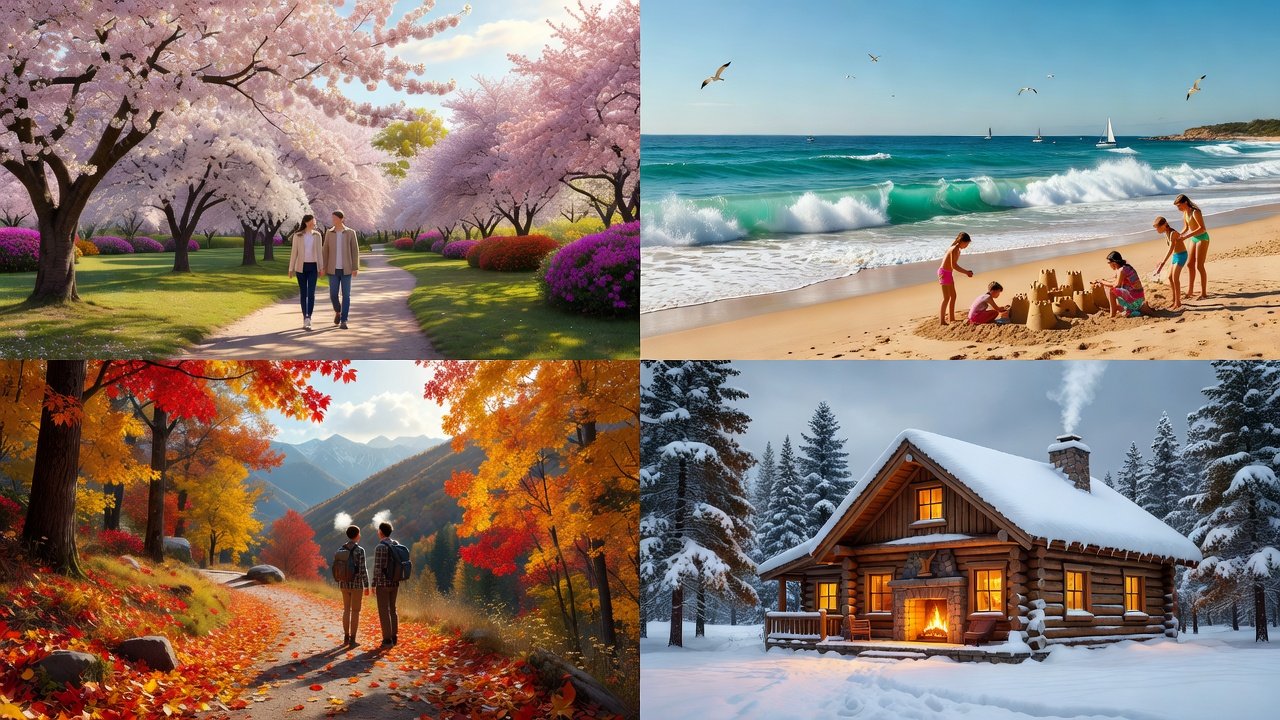
Introduction to Seasonal 2026 Weekend Getaways
Weekend getaways deliver the perfect mix of adventure, relaxation, and minimal time away from daily routines. In 2026, aligning short trips with seasonal highlights such as spring wildflower blooms, summer festivals, fall foliage peaks, and winter holiday markets maximizes enjoyment while minimizing crowds and costs. This comprehensive quarterly guide focuses on practical execution for travelers based near major cities like New York, Chicago, Philadelphia, Boston, Atlanta, and Los Angeles. All recommended destinations lie within a four-hour drive or train ride, making spontaneous escapes feasible.
Each section includes detailed 48-hour sample itineraries, expanded seasonal packing checklists, activity recommendations tailored to weather patterns, and insider tips for adapting plans. Readers will also discover direct comparisons between shoulder and peak seasons, strategies for navigating 2026 travel trends, a list of common mistakes to avoid, and an extensive FAQ. By following these actionable recommendations, travelers can boost completion rates and create memorable experiences year-round.
Spring Getaways: Blooms and Mild Weather (March–May)
Spring awakens landscapes with colorful blooms and comfortable temperatures perfect for hiking and outdoor dining. Prime destinations include the Hudson Valley accessible from New York City, the Blue Ridge Mountains near Atlanta, and the Santa Monica Mountains outside Los Angeles. These areas typically experience daytime highs between 55°F and 70°F with occasional showers, creating ideal conditions for nature immersion without summer heat.
48-Hour Itinerary: Hudson Valley from NYC
Day one begins with an early morning Metro-North train or scenic drive north. Upon arrival in Cold Spring, start with a moderate hike at Bear Mountain State Park to spot emerging wildflowers and enjoy panoramic river views. Afternoon activities shift to exploring local farms for fresh produce and artisan goods before settling into a farm-to-table dinner featuring seasonal vegetables. Evening options include stargazing at a riverside park or relaxing at a cozy inn.
Day two focuses on slower-paced exploration: visit an orchard for peak blossom photography, take a short river cruise, and enjoy a picnic lunch before the return journey. Weather-based tips include monitoring for afternoon rain and carrying quick-dry layers. For real-time forecasts, consult the National Weather Service.
Expanded Spring Packing Checklist
- Lightweight rain jacket and waterproof hiking boots with good traction
- Merino wool base layers and breathable long-sleeve shirts
- Sunscreen, wide-brim hat, and non-drowsy allergy medication
- Reusable water bottle, trail snacks, and portable phone charger
- Binoculars for birdwatching and a compact daypack
Additional Activity Recommendations
Beyond hiking, consider kayaking on calm rivers, visiting botanical gardens, or attending small-town farmers markets. Shoulder weeks in late March or early May often provide quieter trails compared to peak April weekends.
Summer Peaks: Beaches and Festivals (June–August)
Summer weekends emphasize water-based recreation and cultural events. Popular escapes include the Jersey Shore from Philadelphia, Lake Michigan beaches near Chicago, and coastal areas outside Los Angeles. Temperatures range from 75°F to 88°F with high humidity, requiring careful sun protection and hydration planning.
48-Hour Itinerary: Jersey Shore from Philadelphia
Day one starts with a two-hour drive to Cape May. Morning hours are spent exploring historic Victorian districts on foot or by trolley. Afternoon beach time includes swimming, sandcastle building, and reading under an umbrella. Evening brings sunset viewing followed by fresh seafood at a waterfront restaurant.
Day two features a guided kayak tour of the bay at sunrise, followed by boardwalk amusement rides and a final beach walk before departure. Pack reef-safe sunscreen, a wide-brim hat, and electrolyte packets to combat heat. Additional summer activities include lighthouse tours, fishing charters, and outdoor concerts.
Fall Foliage Escapes (September–November)
Autumn transforms forests into vibrant canvases of red, orange, and gold. Top choices are Vermont’s Green Mountains from Boston, the Ozarks near St. Louis, and Shenandoah National Park accessible from Washington D.C. Peak color windows vary by elevation and latitude, typically mid-September through late October.
48-Hour Itinerary: Green Mountains from Boston
Day one involves a scenic three-hour drive to Stowe. Begin with a moderate hike up Mount Mansfield for sweeping foliage views, then transition to a guided foliage photography workshop. Evening includes a maple syrup tasting and fireside dinner at a local inn.
Day two offers covered bridge exploration, a visit to a working farm for apple picking, and a relaxed lunch before returning. For official trail conditions and reservations, check the National Park Service website. Shoulder season travel in early October delivers similar colors with significantly fewer visitors.
Fall Packing Checklist and Tips
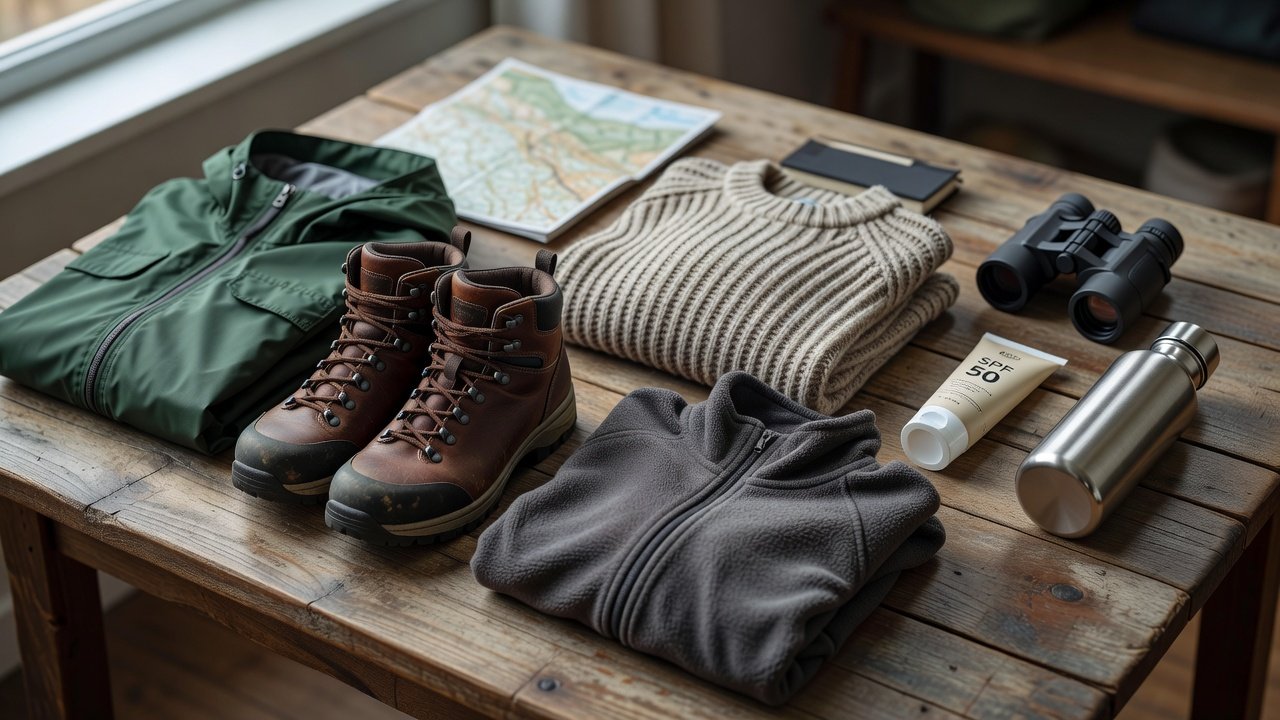
- Insulated vest, waterproof hiking boots, and moisture-wicking base layers
- Light gloves, warm beanie, and quick-dry pants
- Binoculars, portable charger, and compact umbrella
- Snacks high in protein and a thermos for hot beverages
Winter Escapes: Snow and Cozy Retreats (December–February)
Winter weekends provide opportunities for snow sports and festive atmospheres. Recommended locations include the Poconos from New York, Wisconsin Dells from Chicago, and mountain areas near Atlanta. Expect temperatures from 20°F to 40°F with wind chill factors.
48-Hour Itinerary: Poconos from NYC
Day one centers on arrival and immediate snowshoeing or cross-country skiing on groomed trails. Afternoon spa time with hot tubs follows, then a hearty dinner at a lodge with live music. Day two includes tubing sessions and a short nature walk before an early afternoon departure to avoid evening traffic.
Winter packing emphasizes warmth: thermal base layers, insulated jacket, waterproof gloves, and hand warmers. Always verify road conditions before travel.
Shoulder vs Peak Season Benefits Comparison
Shoulder periods such as early spring or mid-fall offer lower accommodation rates, easier restaurant reservations, and reduced trail congestion. Peak seasons deliver optimal weather and special events yet demand advance bookings up to three months ahead. Shifting trips by one or two weeks often yields 20–30% savings on lodging while maintaining excellent conditions. Travelers prioritizing flexibility and budget should target shoulder windows, whereas those seeking vibrant festivals may prefer peak dates.
Transportation and Booking Strategies for 2026
Train services like Amtrak provide comfortable alternatives to driving during peak foliage or holiday periods. Book tickets 4–6 weeks in advance for best availability. Use flexible cancellation policies offered by many properties and consider travel insurance for weather-related disruptions. Sustainable options such as carpooling or electric vehicle rentals align with growing 2026 eco-conscious trends.
Common Mistakes to Avoid
- Overpacking without checking forecasts, leading to unnecessary weight
- Ignoring shoulder season opportunities and paying premium peak prices
- Failing to confirm trail or beach access hours in advance
- Skipping travel insurance for winter or hurricane-season trips
- Neglecting hydration and sun protection during summer escapes
Adapting Plans for 2026 Travel Trends
Flexible booking platforms and contactless payments continue to rise in popularity. Sustainable transport choices and support for local businesses remain priorities. Monitor official sources such as the Centers for Disease Control and Prevention for any health-related guidance.
FAQ
- How do I adjust itineraries for sudden weather changes? Build indoor backup activities such as museums, breweries, or shopping districts into every plan.
- What sustainable practices work best for weekend trips? Opt for public transit, refillable water bottles, and support of locally owned restaurants and farms.
- Are these destinations suitable for families with young children? Most locations feature nature centers, easy walking paths, and kid-friendly attractions like orchards or beaches.
- How far in advance should I book for peak foliage weekends? Reserve lodging and activities 8–10 weeks ahead to secure preferred options.
- Can solo travelers enjoy these getaways safely? Yes, with standard precautions such as sharing itineraries and choosing well-reviewed accommodations.
Conclusion
Seasonal weekend getaways in 2026 reward careful quarterly planning with rich, varied experiences. Apply these detailed itineraries, checklists, and trend insights to create efficient, enjoyable escapes throughout the year.
No comments yet. Be the first!