 PlaceBee
Introduction: Planning 2026 Weekend Getaways Amid Emerging Trends
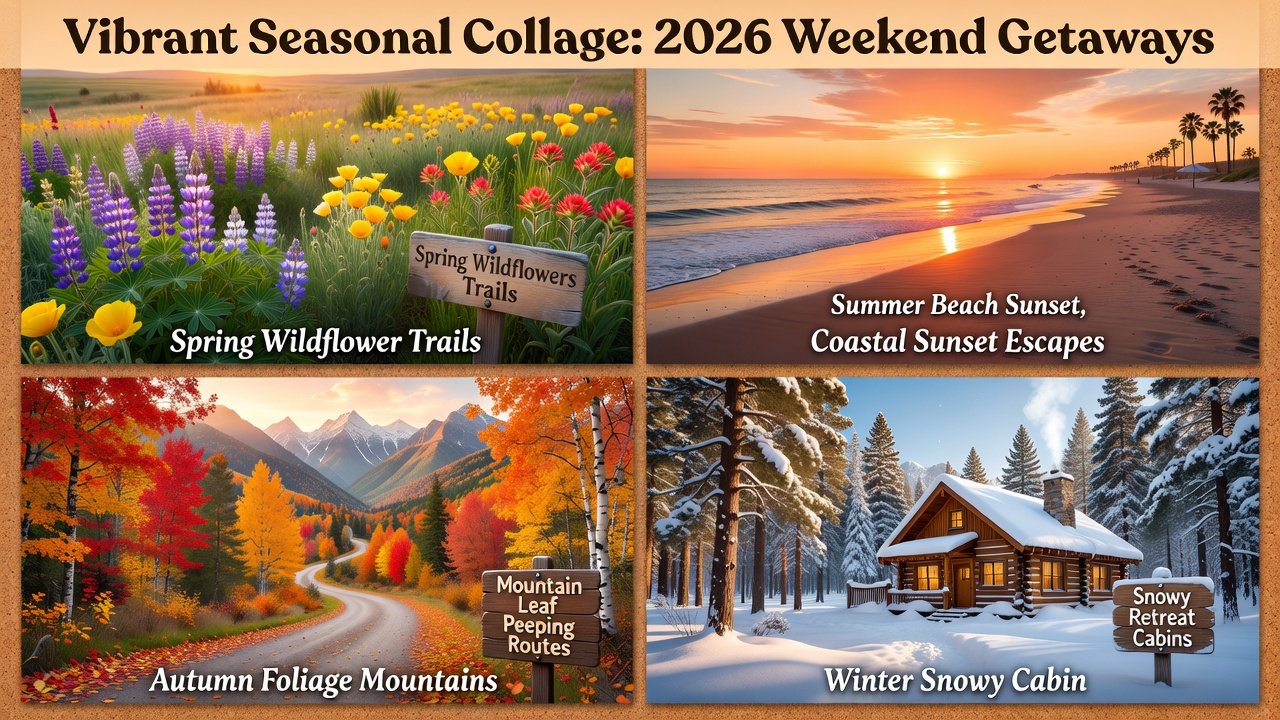
As 2026 approaches, travelers are rethinking short escapes due to shifting climate patterns and newly accessible destinations. Weekend getaways offer the perfect balance of refreshment without long commitments, allowing you to chase spring blooms, summer adventures, fall colors, or winter coziness. This guide dives deep into seasonal recommendations while incorporating practical tools like updated packing lists, sample 48-hour itineraries, activity ideas, and side-by-side destination comparisons. Climate shifts are influencing choices, with milder winters opening northern spots earlier and shoulder seasons extending in popular areas. New openings, such as expanded trails in national parks and eco-friendly coastal preserves, add fresh appeal. Whether budgeting for fuel or focusing on low-cost local gems, these ideas help maximize every weekend. Readers will find decision trees to match personal preferences with seasonal highlights, ensuring each trip feels tailored and rewarding.
Spring Weekend Getaways: Blooming Escapes and Mild Weather
Spring (March-May) brings renewal with wildflowers and comfortable temperatures ideal for outdoor exploration. Focus on destinations experiencing peak floral displays or early hiking seasons. Emerging trends include earlier bloom times in southern regions due to warming patterns, creating opportunities for extended shoulder-season visits. Recommended destinations include Shenandoah National Park in Virginia for scenic drives and wildflower hikes, as well as the Blue Ridge Parkway for those seeking a longer but still manageable weekend route from major cities. Another strong option is Charleston, South Carolina, where historic gardens burst with color and mild coastal breezes make walking tours comfortable.
48-Hour Itinerary for Shenandoah National Park
- Day 1: Arrive by midday, enjoy a scenic drive on Skyline Drive with stops at overlooks, hike a moderate wildflower trail, and end with sunset photography at a popular vista point.
- Day 2: Join an optional ranger-led program on local ecology, enjoy a picnic lunch featuring seasonal produce, visit cascading waterfalls, and depart by mid-afternoon to avoid evening traffic.
Updated Spring Packing Checklist
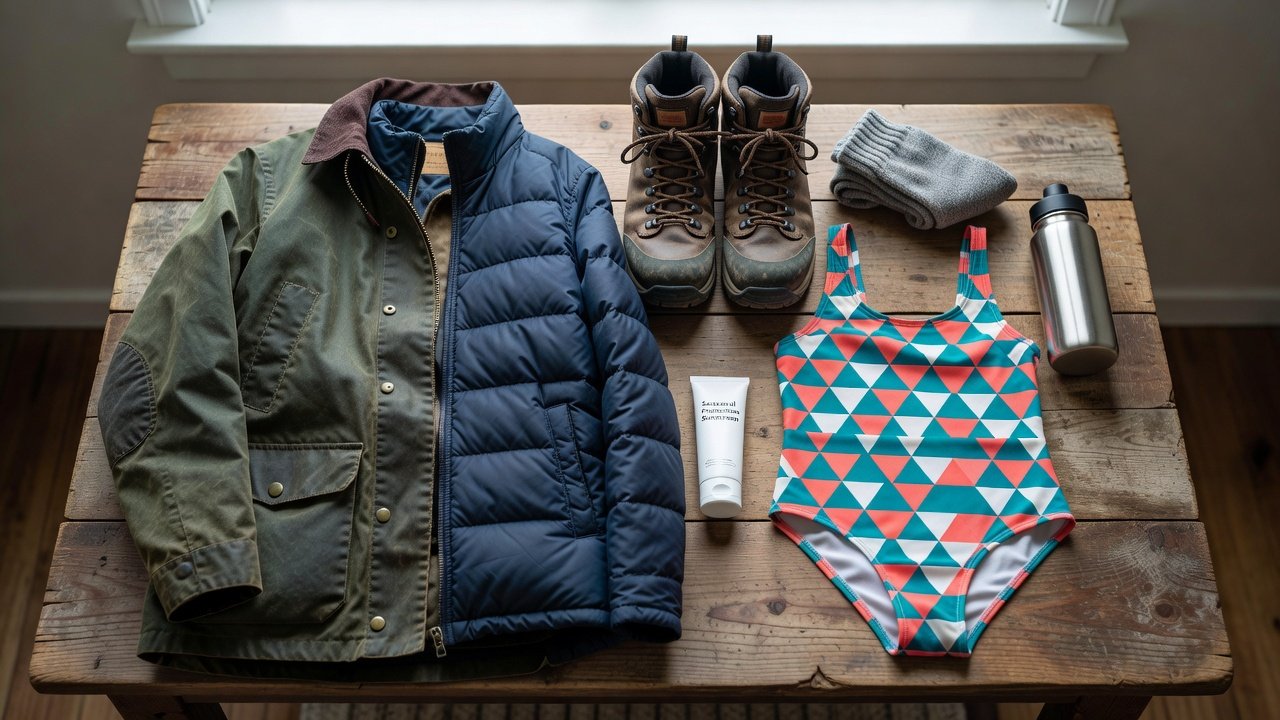
- Layered clothing for variable temperatures ranging from cool mornings to warmer afternoons
- Waterproof jacket, sturdy hiking boots with good traction, and moisture-wicking base layers
- Insect repellent, broad-spectrum sunscreen, reusable water bottle, and a lightweight daypack
- Binoculars for birdwatching and a camera for capturing blooms
Activities center on birdwatching, nature photography, and gentle hiking. Compare Shenandoah to Asheville, North Carolina, where spring offers fewer crowds than peak summer and opportunities for craft brewery visits paired with mountain views. Always verify trail conditions through official channels before departure.
Summer Weekend Getaways: Beach and Adventure Focus
Summer calls for water-based escapes or high-country cool-downs. Emerging trends include eco-friendly beach cleanups at new coastal preserves and expanded access to previously restricted areas in popular parks. Recommended destinations feature the Outer Banks of North Carolina for classic beach time mixed with lighthouse history, or the Colorado Rockies for cooler mountain adventures and alpine hiking. Lake Tahoe on the California-Nevada border provides another compelling choice with clear waters and surrounding trails suitable for weekend pacing.
48-Hour Itinerary for the Outer Banks
- Day 1: Arrive and settle at the beach for swimming and relaxation, followed by an evening seafood dinner at a local waterfront spot and stargazing on the sand.
- Day 2: Morning kayak through coastal marshes, climb a historic lighthouse for panoramic views, enjoy a final beach walk, and depart by afternoon.
Activity Suggestions and Seasonal Comparisons
Summer favorites include surfing lessons, dolphin-watching tours, and evening bonfires where permitted. When comparing beach versus mountain options, beaches tend to offer more family-friendly water activities while mountains provide solitude and cooler temperatures. Practical packing expands to include swimwear, reef-safe sunscreen, and quick-dry towels. Readers should consider crowd levels, as popular coastal areas fill quickly on weekends.
Fall Weekend Getaways: Foliage and Harvest Themes
Fall foliage peaks create stunning backdrops while harvest festivals at orchards and vineyards add cultural depth. Climate trends may shift peak leaf color slightly later in some northern areas, extending the season. Top picks include Vermont's Green Mountains for covered-bridge drives and maple syrup tastings, or the Hudson Valley in New York for easier access from urban centers and abundant apple-picking events. The Great Smoky Mountains also deliver vibrant displays with fewer crowds than summer.
Side-by-Side Destination Matchup: Vermont vs. Upstate New York
- Vermont offers quieter trails, a strong focus on artisanal maple products, and slightly higher demand for cozy lodging during peak foliage weeks.
- Upstate New York provides more festival variety, convenient train access from cities like New York or Boston, and a broader range of leaf colors across different elevations.
Expanded Fall Activities and Budget Insights
Enjoy scenic drives, pumpkin festivals, and moderate hikes through colorful forests. Fall often balances overall trip costs better than summer peaks because lodging demand spreads across more weeks. Use resources from the National Park Service for real-time trail and foliage updates. A practical decision factor is whether you prioritize festivals or pure nature immersion.
Winter Weekend Getaways: Cozy Retreats and Snow Activities
Winter transforms landscapes into serene escapes, with milder conditions in some regions due to climate trends allowing more accessible mountain getaways. Recommended spots include the Smoky Mountains in Tennessee for cabin stays with hot cocoa and light snow hikes, or the Upper Peninsula of Michigan for snowshoeing and northern lights viewing when conditions align. The Catskills in New York provide a closer option for East Coast travelers seeking fireside relaxation.
Practical Winter Packing Checklist
- Thermal base layers, insulated jacket, waterproof boots, and warm accessories like hats and gloves
- Hand warmers, portable phone charger for cold weather, and snacks for energy on short hikes
- Flexible itinerary items in case of weather changes
Decision Tree for Choosing Your 2026 Season
Start by asking: Do you prefer warm weather activities? Then spring or summer beaches win. Love dramatic color changes? Prioritize fall foliage trips. Seek solitude and potentially lower demand outside holidays? Winter escapes deliver peaceful vibes. Traveling with family or kids? Summer options with water play often rank highest. Consider travel distance and personal energy levels when selecting the final destination.
Practical Tools: Packing Updates, Comparisons, and Booking Tips
Season-specific packing evolves with climate realities—add moisture-wicking layers for humid summers and reliable thermal pieces for variable winters. Always cross-reference travel.state.gov for current travel advisories and safety guidance before finalizing plans. Side-by-side seasonal budget comparisons reveal that shoulder periods frequently provide better value across lodging and activities. Common mistakes to avoid include overpacking and ignoring weather forecasts. Build flexibility into every itinerary to accommodate unexpected shifts.
Conclusion: Making the Most of 2026 Short Trips
Seasonal weekend getaways in 2026 reward flexible planners who adapt to climate nuances and new destination openings. Use the detailed itineraries, packing lists, and comparisons in this guide to select your perfect escape and create lasting memories year-round.
FAQ
When is the best time to book seasonal weekend trips?
Book four to six weeks ahead during shoulder seasons to secure availability and favorable rates.
How do climate shifts affect 2026 planning?
Milder conditions may extend viable dates for outdoor activities in northern areas, allowing more flexible scheduling.
Are there new destinations opening in 2026?
Watch for expanded access to previously limited park areas and emerging eco-reserves that welcome weekend visitors.
What should I consider for multi-season travel flexibility?
Focus on versatile packing items and destinations with year-round appeal like national parks.
How can I compare costs without specific numbers?
Evaluate qualitative factors such as crowd levels, activity availability, and lodging demand across seasons.
No comments yet. Be the first!