 PlaceBee
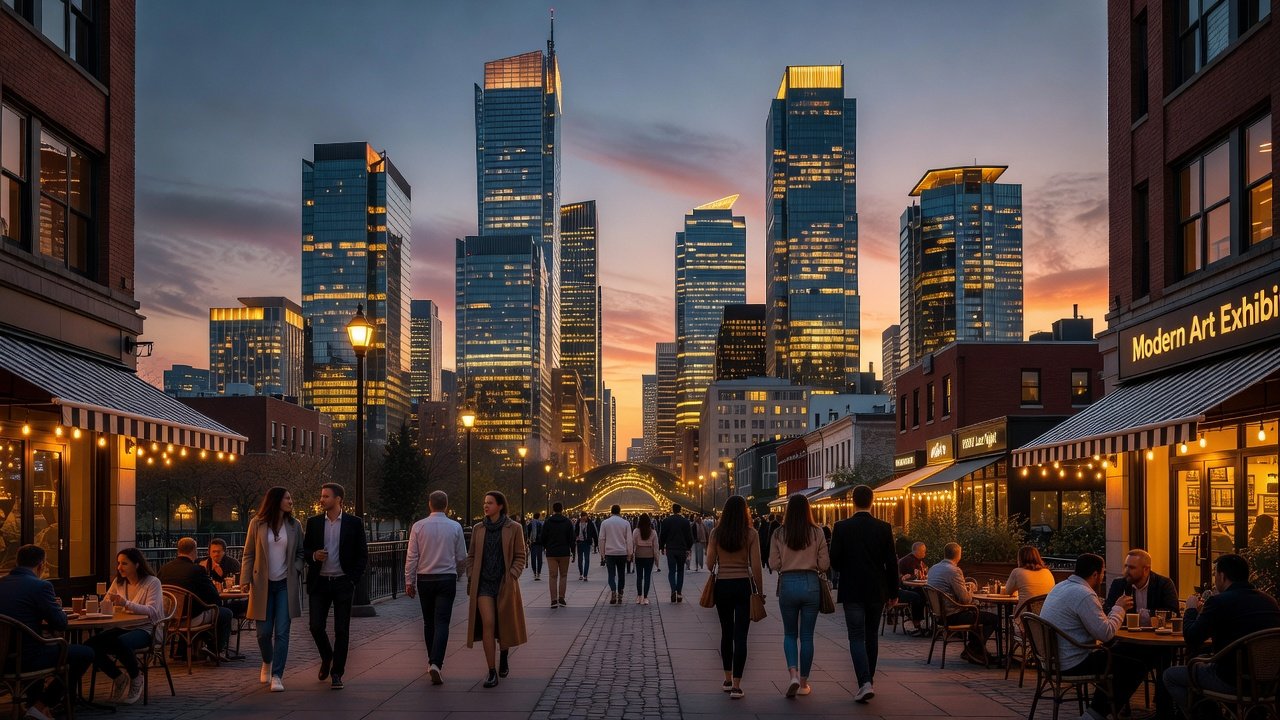
Urban escapes offer the perfect solution for travelers craving quick, immersive weekends without venturing far from home. In 2026, city-based getaways continue to dominate travel trends, allowing you to dive into vibrant neighborhoods, world-class dining scenes, and cultural events while minimizing travel time and maximizing relaxation or productivity. These short trips appeal especially to busy professionals and families who want efficient access to museums, live performances, and diverse cuisines without the logistics of rural retreats. By focusing on destinations reachable by car or brief flight, you can return refreshed and ready for the workweek ahead.
How to Select the Right Urban Destination
Choosing a city weekend getaway starts with proximity and vibe. Prioritize destinations within a three-hour drive or short flight to keep the focus on enjoyment rather than logistics. Consider your preferred energy level: bustling arts districts for culture lovers or trendy food halls for culinary explorers. Factor in seasonal events like festivals or exhibitions that align with your travel dates to enhance the experience. Create a simple checklist including average flight or drive times, hotel availability in your price range, and local event calendars. Compare options using travel apps to review recent visitor feedback on crowd levels and accessibility. Weather patterns also matter—select cities with mild conditions during your planned dates to encourage walking tours and outdoor dining. Finally, match the destination's overall atmosphere to your group: solo travelers may prefer walkable downtowns with co-working cafes, while couples often enjoy neighborhoods known for romantic evening strolls and intimate venues.
Top Underrated City Picks with 48-Hour Itineraries
Skip the obvious megacities and explore hidden urban gems. For example, head to Austin, Texas, for a music-infused escape. Day one begins with a morning visit to the Texas State Capitol for free guided tours, followed by lunch at a local food truck park. Afternoon hours can include browsing vintage shops on South Congress Avenue before an evening of live music on Sixth Street. Day two focuses on Lady Bird Lake with a rented kayak or paddleboard rental, then an afternoon exploring the Blanton Museum of Art and evening tacos at a riverside spot. Another strong option is Portland, Oregon. Spend 48 hours hopping between indie bookstores in the Pearl District, sampling craft coffee at multiple roasters, and catching a show at a historic theater. Include time for the Portland Saturday Market if your timing aligns, plus a visit to the Oregon Museum of Science and Industry for interactive exhibits suitable for all ages. Consider Denver, Colorado, as a third pick. Its 48-hour plan starts with a light rail ride to the Denver Art Museum, followed by brewery tours in the RiNo district. Day two features a morning at the Denver Botanic Gardens and afternoon shopping in LoDo before a Rockies game or concert if in season. These mid-sized hubs deliver big-city amenities with fewer crowds than coastal giants.
" alt="Lively downtown street scene with modern architecture, outdoor cafes, and pedestrians enjoying an urban weekend vibe">
Budget Breakdowns: Urban vs Rural Options
City breaks often prove more cost-effective for short trips because you eliminate lodging premiums associated with remote cabins or resorts. Focus spending on experiences like museum passes or tasting menus rather than transportation. Urban areas also offer more free public events and walkable attractions, stretching your dollars further than rural escapes that require vehicle rentals and guided tours. When comparing, urban weekends typically allocate more funds to dining and entertainment while rural trips emphasize fuel and activity fees. Track expenses using simple spreadsheets that categorize meals, transit, and attractions to identify savings opportunities. Many cities provide combo tickets for multiple museums or attractions, reducing per-activity costs compared to individual purchases.
Public Transit Hacks for Seamless Travel
Master local transit apps before arrival to navigate efficiently. Many cities provide unlimited day passes that cover buses, subways, and even ferries. Download offline maps and check real-time schedules to avoid peak-hour rushes. For last-minute trips, bike-share programs provide an eco-friendly way to cover short distances between neighborhoods. In practice, test apps like Citymapper or Google Maps in advance for your chosen city. Always carry a backup payment method for ticket machines and note major transfer points to speed up journeys. U.S. Department of State travel information offers additional safety tips for navigating unfamiliar urban systems. Another useful resource includes checking CDC travel health guidance before relying on crowded public transport during peak seasons.
Mixing Work and Play in City Settings
Remote workers can blend productivity with pleasure by selecting cities with strong co-working spaces and reliable Wi-Fi. Book accommodations near business districts during weekdays for quiet mornings, then transition to evening entertainment districts. This hybrid approach turns a weekend into a mini-retreat without sacrificing deadlines. Reserve morning blocks for focused tasks in hotel lobbies or dedicated workspaces, then use afternoons for walking meetings or site visits that double as inspiration. Many urban hotels now feature dedicated business lounges with printing services, making it easy to handle professional needs before exploring nightlife.
Sustainability Tips for Urban Weekends
Choose properties with green certifications and support restaurants sourcing local ingredients. Use public transit or walking instead of rideshares when possible to lower your carbon footprint. Carry a reusable water bottle and shopping bag to minimize single-use plastics common in tourist areas. Many cities now offer electric scooter rentals for short hops, providing both convenience and environmental benefits during your stay.
Comparison Table: Costs and Activities
| City | Key Activities | Transit Ease | Vibe Match |
|---|---|---|---|
| Austin | Live music, food trucks, museums | Excellent bus network | Creative and energetic |
| Portland | Coffee culture, bookstores, gardens | Streetcar and light rail | Relaxed and artistic |
| Denver | Breweries, art museums, parks | Light rail system | Active and modern |
FAQs on Last-Minute Urban Bookings and Avoiding Crowds
- How far in advance should I book? Secure lodging 1-2 weeks ahead for off-peak weekends, but monitor apps for flash deals on last-minute availability.
- Best ways to dodge crowds? Visit major attractions early morning or late afternoon, and explore residential neighborhoods for authentic local experiences.
- Are urban getaways suitable for families? Yes, many cities feature interactive museums and parks that appeal to all ages while maintaining easy access via public transport.
- What if weather disrupts plans? Always have indoor backup activities such as shopping districts or covered markets ready in your itinerary.
- How to handle dietary restrictions? Research neighborhood restaurants with diverse menus ahead of time and communicate needs when making reservations.
Whether you seek cultural immersion or seamless work-life balance, 2026 urban weekend getaways deliver memorable escapes packed with convenience and excitement. Start planning your next city break today to secure the best experiences and create lasting memories through thoughtful preparation and flexible execution.
No comments yet. Be the first!