 PlaceBee

Adventure Weekend Getaways 2026: Thrilling Short Trips
Adventure seekers looking for quick, high-energy escapes in 2026 have excellent options for 48-hour trips that deliver hiking, kayaking, rock climbing, and zip-lining without requiring long vacations. These focused getaways allow participants to maximize thrills while fitting into busy schedules, targeting regions with easy access from major cities across North America and beyond.
The growing popularity of short adventure breaks stems from increased interest in wellness through nature and physical activity. Travelers can return refreshed after just one weekend, making these trips ideal for professionals and families alike. In 2026, improved infrastructure and guided tour availability make last-minute planning more feasible than ever.
Top Destinations for 48-Hour Adventure Escapes
The Pacific Northwest stands out for kayaking adventures on the Columbia River Gorge, where paddlers navigate scenic waterways surrounded by towering cliffs and waterfalls. A typical Saturday involves a morning launch followed by an afternoon hike to viewpoints, allowing full immersion in one day. Moab, Utah, provides unmatched rock climbing and hiking amid dramatic red rock formations, with trails suitable for various skill levels leading to arches and canyons.
Further east, the Great Smoky Mountains in Tennessee offer zip-lining through dense forest canopies, combining aerial thrills with opportunities for short waterfall hikes. The Adirondack Mountains in New York deliver a mix of all four activities in a compact area, perfect for those flying into nearby airports. Each destination supports tight schedules: arrive Friday evening, engage fully on Saturday, and wrap up Sunday morning before departure.
Additional considerations include checking local regulations, as some areas require permits for climbing or paddling. Researching trail maps in advance ensures efficient use of limited time on the ground.
Beginner vs Advanced Activity Levels with Real Examples
Beginners benefit from guided introductory sessions that emphasize technique and safety. Easy hiking trails like the Valley Loop in Yosemite National Park offer gentle terrain with stunning views, while flat-water kayaking on sheltered lakes builds paddling confidence without strong currents. Introductory zip-lining courses feature slower lines and lower heights to ease newcomers into the experience.
Advanced enthusiasts can progress to multi-pitch rock climbs in Moab or technical descents in the Gorge that involve navigating rapids. Real-world examples include tackling the challenging East Buttress route versus a beginner slab climb, or participating in overnight-style day hikes that cover 15 miles versus shorter 5-mile loops. Comparing these levels helps participants select appropriate challenges and avoid overexertion during short trips.
Planning Your 48-Hour Itinerary
Effective planning starts with selecting a destination based on primary interest, such as prioritizing water sports or vertical adventures. Book accommodations close to activity sites to minimize travel time between locations. Friday evening focuses on arrival and gear check, while Saturday morning begins early with the main activity followed by a secondary pursuit in the afternoon.
Sunday allows for a lighter activity or scenic drive before heading home. Incorporating buffer time for weather changes or fatigue prevents rushed experiences. Digital tools for mapping routes enhance efficiency on the trail.
Seasonal Timing Advice
Spring brings blooming landscapes and moderate temperatures ideal for hiking and climbing, though some water levels may still be high for kayaking. Fall offers crisp air and vibrant foliage that enhance zip-lining and photography opportunities, with fewer insects. Summer maximizes daylight for extended sessions but requires strategies for heat management during midday activities.
Winter transforms many areas into snowshoe or ice-climbing venues, adding variety, yet demands specialized equipment and awareness of shorter days. Monitoring long-range forecasts helps align trips with optimal conditions for chosen pursuits.
Packing Checklist
Preparation ensures comfort and readiness across all activities. Essential items include layered moisture-wicking base layers, insulating mid-layers, and waterproof outer shells to handle variable weather. Footwear should feature broken-in hiking boots with good traction plus approach shoes for climbing approaches.
- Helmet rated for multiple uses, harness, and chalk bag for rock climbing
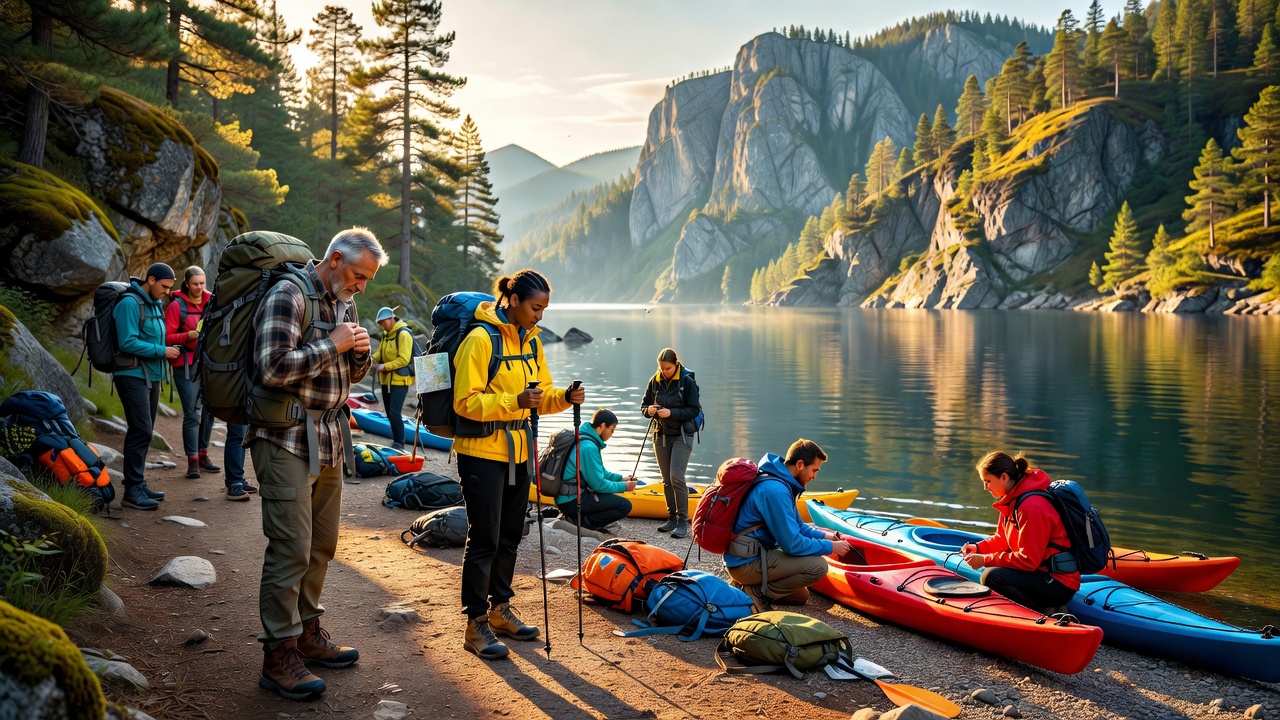
- Personal flotation device, paddle, and dry bag for kayaking protection
- Zip-line specific gloves and helmet for aerial safety
- First-aid supplies, multi-tool, headlamp with extra batteries, and navigation app downloads
- High-calorie snacks, electrolyte supplements, and a durable water bottle or hydration reservoir
- Quick-dry towel, change of clothes, and personal medications
Organizing gear in a single backpack streamlines transitions between activities.
Safety Tips
Prioritizing safety maximizes enjoyment and minimizes risks during compressed timelines. Always verify current trail and river conditions through official channels before setting out. Traveling with at least one partner provides support during technical sections like climbs or paddles. Share detailed itineraries including expected check-in times with a trusted contact back home.
Carry sufficient water and recognize signs of dehydration or exhaustion early. For climbing and zip-lining, inspect all personal equipment and follow guide instructions precisely. National Park Service websites offer real-time updates on closures and hazards. Additionally, Centers for Disease Control and Prevention guidance on outdoor health helps prepare for insect-borne issues or sun exposure common in adventure settings.
Cost Breakdown Guidance
Expenses typically cover transportation, lodging, equipment rentals, and guide services when needed. Opting for shared group tours and public campgrounds can help manage overall spending while maintaining quality experiences. Comparing regional options reveals opportunities for value without sacrificing adventure quality.
FAQ
What fitness level is required for these trips?
Moderate cardiovascular fitness and basic strength suffice for most beginner options, while advanced activities benefit from prior conditioning such as regular gym sessions or previous outdoor experience.
How can travelers handle last-minute bookings effectively?
Monitor cancellation lists on outfitter websites and maintain flexibility with activity choices to secure spots even close to departure dates.
Are these getaways suitable for solo travelers?
Many tours welcome individuals and pair them with groups, though joining organized outings enhances both safety and social aspects.
What happens if weather disrupts plans?
Have indoor alternatives or rescheduling options identified in advance, as reputable operators often provide credits or adjustments for severe conditions.
Conclusion
Adventure weekend getaways in 2026 represent an accessible way to pursue passion for the outdoors through targeted activities like hiking, kayaking, rock climbing, and zip-lining. By selecting fitting destinations, matching skill levels appropriately, and preparing thoroughly with checklists and safety awareness, participants create memorable escapes that fit seamlessly into modern life. Thoughtful seasonal planning and itinerary structure further ensure these short trips deliver lasting satisfaction and renewed energy.

No comments yet. Be the first!