 PlaceBee
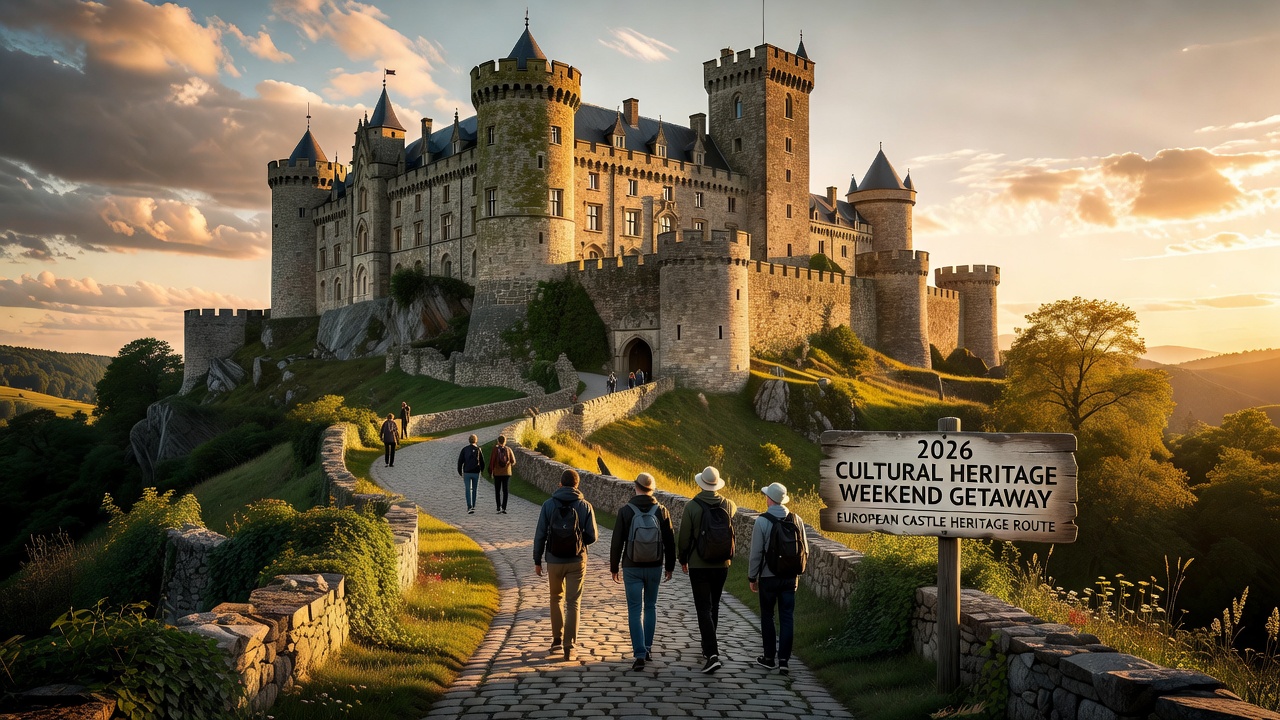
Why Heritage Weekend Getaways Are Trending in 2026
Travelers in 2026 are increasingly choosing short cultural escapes over traditional leisure vacations. These heritage weekend getaways allow visitors to immerse themselves in history, architecture, and local traditions without requiring extended time off work. With growing interest in off-peak travel and sustainable options, quick trips to sites accessible within four hours are becoming a preferred choice for meaningful experiences. Digital booking tools have simplified planning, enabling real-time reservations for tours and accommodations. This shift supports responsible tourism by spreading visitors across less crowded periods and reducing the environmental footprint associated with longer journeys.
Many modern travelers seek authentic connections rather than passive relaxation. A focused weekend at a heritage site delivers educational value, memorable photos, and personal growth. Off-peak visits also mean fewer crowds, better access to guides, and lower stress levels overall.
Selecting the Right Heritage Destinations
Focus on locations rich in history that fit a weekend timeline. Prioritize UNESCO-recognized sites or protected landmarks to ensure authentic cultural encounters. Consider accessibility, seasonal weather, and crowd levels when making selections. Research local festivals or special events that align with your travel dates to enhance the experience. Use official heritage databases to verify site significance and current preservation status.
European castles offer dramatic backdrops with centuries of stories, while North American landmarks provide insights into indigenous cultures and colonial history. Both regions feature options reachable by short train or flight journeys. When evaluating destinations, examine visitor reviews from recent travelers and cross-reference with cultural preservation organizations such as the UNESCO World Heritage Centre for global context.
Step-by-Step Planning for 48-Hour Itineraries
Effective planning starts with identifying your departure city and mapping transport options. Book accommodations close to the main sites to maximize time on foot or via local transit. Create a detailed checklist covering transportation, lodging, meals, and activities. Factor in potential weather changes and have backup indoor options ready.
- Research opening hours and book timed-entry tickets in advance using official apps.
- Build a flexible schedule with morning explorations followed by afternoon cultural workshops or guided walks.
- Allocate evenings for local cuisine and storytelling sessions that reveal hidden histories.
- Leave buffer time for spontaneous discoveries or rest to avoid burnout.
- Confirm accessibility features if traveling with companions who have mobility needs.
- Download offline maps and translation tools before departure for uninterrupted navigation.
This structure ensures a balanced mix of education and relaxation while allowing room for personal interests to emerge during the trip.
Comparing Train and Flight Options
Train travel often provides a more scenic and relaxed journey for heritage trips, allowing passengers to enjoy landscapes while avoiding airport hassles. Flights may suit longer distances but require extra time for security and transfers. Evaluate total door-to-door duration and environmental impact when deciding between the two. Trains frequently stop at historic town centers, making them ideal for immediate immersion upon arrival.
Many travelers find trains more convenient for weekend escapes under four hours, especially when stations are centrally located near historic districts. Compare schedules on major rail networks and consider multi-city passes for added flexibility. Always check for schedule disruptions due to maintenance or weather before finalizing plans.
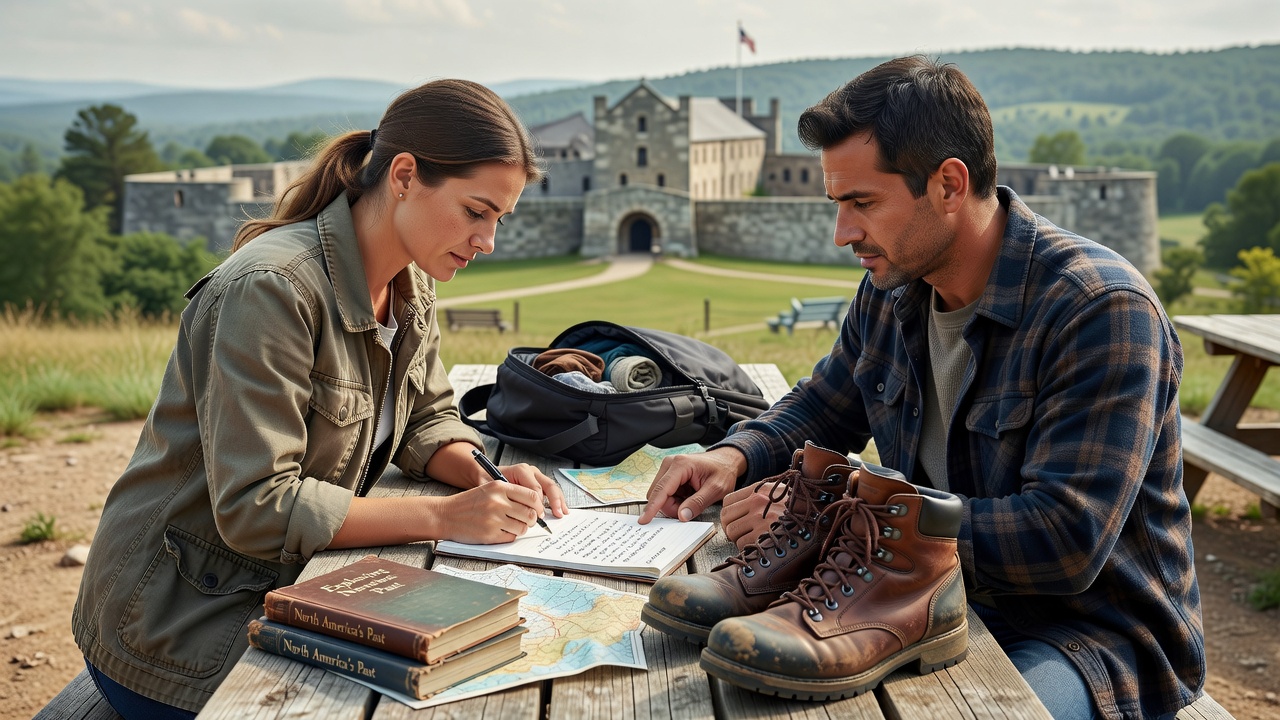
Essential Packing List for Cultural Immersion
Thoughtful packing supports deeper engagement with heritage sites. Choose versatile items that handle both outdoor exploration and respectful indoor visits.
- Comfortable walking shoes with good support for cobblestone streets and trails to prevent fatigue during long days.
- Layered clothing suitable for variable weather and indoor museum visits, allowing easy adjustment between climates.
- A lightweight daypack for maps, water, and small souvenirs without weighing you down.
- Reusable water bottle and snacks to stay energized during long walking tours and avoid relying on limited site vendors.
- Portable charger and offline translation app for seamless navigation and documentation of experiences.
- Respectful attire for religious or ceremonial sites to show cultural sensitivity and gain better access to restricted areas.
- Notebook or journal for recording personal reflections and historical details learned along the way.
European Castle Examples
Neuschwanstein Castle in Germany stands as an iconic choice, reachable from Munich by train in under two hours. Visitors can explore fairy-tale architecture and surrounding Bavarian landscapes while learning about 19th-century royal history. Similarly, Edinburgh Castle in Scotland offers panoramic city views and military history exhibits, accessible via a short flight or train from major UK hubs. Another strong option is the Château de Chambord in France, where Renaissance design meets extensive gardens, typically reached within three hours from Paris by rail.
North American Landmark Examples
The Statue of Liberty in New York provides a powerful symbol of heritage, reachable by ferry from Manhattan in under an hour. For a different perspective, Mesa Verde National Park in Colorado showcases ancient cliff dwellings, with drives from regional airports taking approximately three hours. Additional worthwhile stops include the historic district of Charleston, South Carolina, featuring preserved colonial architecture and easy weekend access from East Coast cities, and the Cahokia Mounds in Illinois, an important pre-Columbian site located within driving distance of St. Louis.
Mistakes to Avoid on Heritage Weekends
Common pitfalls include over-scheduling without rest periods, neglecting to verify seasonal closures, and failing to respect site photography rules. Always confirm ticket validity for the exact date and arrive early to avoid peak-hour lines. Another frequent error is underestimating walking distances, so review site maps beforehand.
Sustainable Practices for Cultural Travel
Support local economies by dining at family-run establishments and purchasing crafts directly from artisans. Choose accommodations that follow green certifications and minimize single-use plastics during your stay. The National Park Service offers guidance on low-impact visitation for American landmarks.
Conclusion
Heritage weekend getaways in 2026 deliver enriching experiences through thoughtful planning and focus on cultural depth. By selecting accessible historic sites, crafting efficient itineraries, and packing thoughtfully, travelers can create memorable short escapes that foster deeper connections with the past while promoting sustainable practices.
FAQ
What entry requirements apply to these heritage sites?
Most sites require advance online reservations. International visitors should check passport validity and any visa needs through official government travel portals.
Are sites accessible year-round?
Many operate seasonally with reduced winter hours. Always verify current schedules on the destination's official website before traveling.
How can I minimize environmental impact?
Opt for train travel when possible and choose eco-certified accommodations near the sites to reduce transportation emissions.
What if I have dietary restrictions?
Research local restaurants in advance and communicate needs when booking experiences. Many heritage sites now offer inclusive dining options.
Is travel insurance recommended?
Yes, especially for short trips that involve multiple transport modes. Policies covering cancellations and medical needs provide peace of mind.


No comments yet. Be the first!