 PlaceBee

Introduction: Why Strategic Planning Transforms Weekend Getaways
Weekend getaways offer the perfect escape from daily routines, but without advanced planning they can quickly become stressful. In 2026, frequent travelers are turning to pro-level methods like time-blocking itineraries, smart app ecosystems, and robust contingency frameworks to maximize every hour. This guide delivers in-depth strategies drawn from seasoned explorers to help you create flawless short trips that prioritize efficiency and relaxation. Whether you are escaping for two days or extending a long weekend, the right preparation reduces decision fatigue and allows more time for enjoyment. Travelers who master these techniques report higher satisfaction rates and fewer last-minute complications compared to those who wing their trips.
Mastering Time-Blocking for Optimized Itineraries
Time-blocking transforms vague plans into precise schedules. Divide your weekend into focused segments: arrival and check-in, core activities, meals, downtime, and departure. For example, a traveler heading to a coastal town might block Friday evening for sunset views, Saturday morning for hiking, and Sunday for relaxed exploration. This approach prevents over-scheduling and builds in buffers for spontaneous moments. Use digital calendars to color-code blocks by activity type, ensuring a balanced mix of adventure and rest. Start by identifying fixed commitments such as check-out times or reservations, then layer flexible activities around them. Seasoned planners recommend reviewing the block schedule each morning and adjusting for energy levels. This method works especially well for couples or groups where everyone has different priorities, as it creates shared visibility into the day.
Choosing the Right Destination for Quick Escapes
Selecting a destination that matches your time constraints is crucial. Focus on locations within a three-hour drive or short flight to minimize travel fatigue. Consider factors like seasonal crowds, local events, and accessibility. For instance, national parks offer reliable short-trip appeal because they provide both nature immersion and structured trails. Always cross-reference multiple sources before booking to confirm current conditions and avoid peak holiday overlaps that could inflate wait times at attractions.
Smart App Integrations for Seamless Bookings
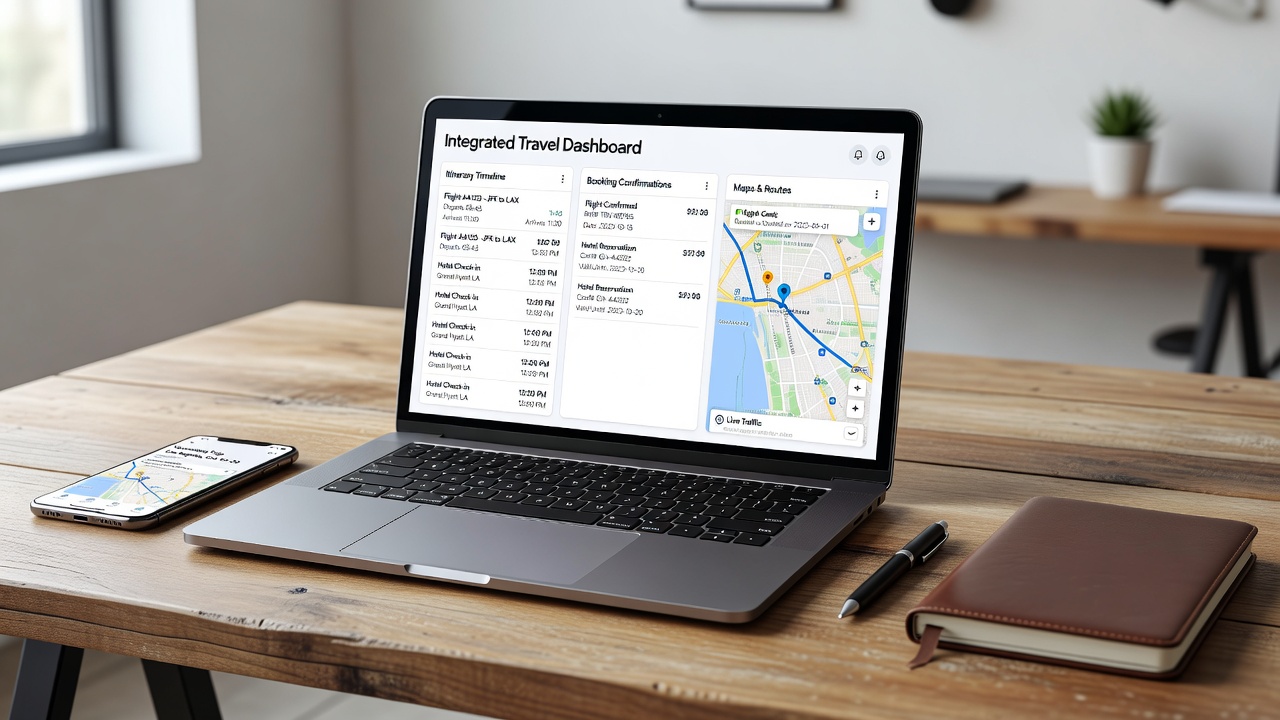
Integrating multiple apps creates a centralized command center for your trip. Combine booking platforms with navigation and expense trackers. Popular combinations include pairing a reservation app with a weather monitor and a digital wallet. Seasoned travelers report saving hours by automating reminders and syncing calendars across devices. Test integrations before departure to avoid technical hiccups mid-trip. Look for apps that allow offline access to itineraries and confirmations, which proves invaluable in areas with spotty cell service. Another layer involves linking loyalty programs so points and perks update automatically across services.
Transportation Optimization Strategies
Efficient travel between home and destination sets the tone for the entire getaway. Compare driving versus public transit options by factoring in parking costs, traffic patterns, and flexibility. Many experienced travelers preload navigation apps with multiple route alternatives and set departure alerts. For flights, choose early morning departures to reduce delay risks and allow buffer time upon arrival. Always keep printed backup tickets in addition to digital versions.
Building Effective Contingency Plans
Weather disruptions and cancellations are inevitable, so proactive planning is essential. Monitor forecasts through reliable government sources and maintain flexible booking options. Create backup activity lists and identify refund policies early. One real-world example involves a group whose flight was delayed; their pre-arranged alternative train route and pre-booked hotel flexibility turned potential disaster into an extended scenic journey. Prepare a small emergency fund mindset by identifying free or low-commitment activities that can fill gaps. Another traveler always packs a portable charger and a list of 24-hour venues near their accommodation.
Step-by-Step Optimization Checklists
- Research destinations and secure core bookings 4-6 weeks ahead.
- Block time in 2-hour increments with built-in buffers.
- Integrate at least three complementary apps and test sync features.
- Prepare digital and printed copies of confirmations and IDs.
- Review cancellation policies and set weather alerts.
- Pack a lightweight contingency kit with essentials and entertainment.
- Confirm transportation schedules the day before departure.
- Share your itinerary with a trusted contact for safety.
Comparing Digital Tools for Weekend Travel
Evaluating tools side-by-side reveals the best fits for your style. Calendar apps excel at time-blocking, while dedicated travel apps handle bookings and itineraries. Navigation tools provide real-time updates, and expense trackers prevent budget overruns. Choose platforms with strong offline capabilities and cross-device synchronization for maximum reliability on the road. Some tools offer collaborative features ideal for group trips, allowing all members to edit the plan in real time.
Real-World Examples from Seasoned Travelers
A frequent flyer who takes monthly weekend escapes uses a hybrid system: blocking Friday nights for arrival rituals, then layering cultural activities on Saturday. Another traveler integrates public transit apps with ride-sharing services to navigate cities efficiently during peak times. A third example comes from a family that maintains a shared digital folder with restaurant reservations, activity tickets, and emergency contacts updated after every trip. These approaches consistently deliver low-stress, high-reward experiences.
Common Mistakes to Avoid
Many travelers overlook the importance of buffer time between activities, leading to rushed transitions. Another frequent error is failing to verify app updates before leaving home, which can break integrations. Overpacking is also common; instead, create a capsule wardrobe list tailored to the destination climate. Finally, skipping a post-trip review means missing opportunities to refine future plans.
Conclusion: Putting It All Together
By combining time-blocking, app integrations, and contingency planning, your 2026 weekend getaways become effortless escapes. Implement these pro tips gradually, refine based on each trip, and enjoy consistently memorable short adventures.
FAQ
What is the best way to start time-blocking a weekend itinerary?
Begin by listing non-negotiable activities and assigning them fixed blocks, then fill remaining time with flexible options.
Which apps integrate best for bookings and planning?
Focus on combinations that sync calendars, reservations, and navigation while supporting offline access.
How do I handle sudden weather changes?
Set alerts from authoritative sources like the National Weather Service and maintain a list of indoor alternatives.
Are there government resources for travel safety?
Yes, consult the U.S. Department of State for current advisories and the TSA for security guidelines.
How can I optimize packing for short trips?
Create a reusable packing list template and limit items to versatile pieces that mix and match across planned activities.


No comments yet. Be the first!