 PlaceBee
Introduction to Hobby-Themed Weekend Getaways
Planning a weekend escape in 2026 becomes far more rewarding when you align it with a personal passion. Instead of generic sightseeing, hobby-themed getaways let you dive deeper into photography, cooking, gaming, or trail running within a compact 48- to 72-hour window. This approach turns short trips into meaningful experiences that recharge your creativity and skills while creating lasting memories. Travelers today seek more than checklists. They want itineraries that weave hobby elements into every meal, hike, or evening activity. Whether you are a beginner or seasoned enthusiast, tailoring your escape ensures downtime feels intentional rather than wasted. By focusing on what excites you most, these micro-adventures deliver higher satisfaction than standard vacations and often cost less in both time and money.
Steps to Match Your Hobby with the Right Destination
Start by listing your top hobbies and the environments they thrive in. Photography lovers often need dramatic light and varied landscapes, while gamers may prefer venues with strong Wi-Fi and gaming cafes. Next, research destinations that already host workshops, clubs, or natural features supporting those interests. Cross-reference hobby requirements with climate and crowd levels to avoid disappointment. Consider travel time first because a true weekend getaway should involve no more than four hours of transit each way. Look for destinations with existing infrastructure such as rental shops, guided sessions, or community meetups that align with your skill level. Review local event calendars for 2026 to spot festivals, exhibitions, or special classes happening during your planned dates. Test accessibility by checking public transit options or parking availability at trailheads and studios. This methodical matching process prevents mismatched trips where the location fails to support your core interests.
Balancing Activities with Essential Downtime
A successful hobby getaway avoids burnout by alternating intense sessions with rest. Schedule morning workshops followed by afternoon relaxation or solo exploration. Build buffer time between activities so you can adjust based on energy levels. Include at least one unscheduled block each day for spontaneous discoveries. This balance keeps the trip restorative while still advancing your skills. For example, a photographer might shoot at sunrise, then spend two hours editing in a quiet cafe before an evening golden-hour session. Runners can complete a group trail run in the morning and follow it with yoga or a scenic drive. Overpacking the schedule leads to fatigue and diminished enjoyment, so prioritize quality over quantity of activities.
Budget Considerations for Equipment and Workshops
Factor in hobby-specific costs such as workshop fees, gear rentals, or specialty ingredients. Prioritize destinations where these expenses stay reasonable by choosing shoulder seasons or locations with free public resources like trails and parks. Pack versatile items to reduce checked-bag fees and shipping charges for equipment. Compare urban and rural options early, as city venues often charge more for convenience while countryside stays may include complimentary hobby facilities. Track all potential expenses in a simple spreadsheet before booking to maintain control over spending. Look for package deals that bundle lodging with activity access when available.
Real 2026 Examples: Wine-Tasting, Trail-Running, and Gaming Escapes
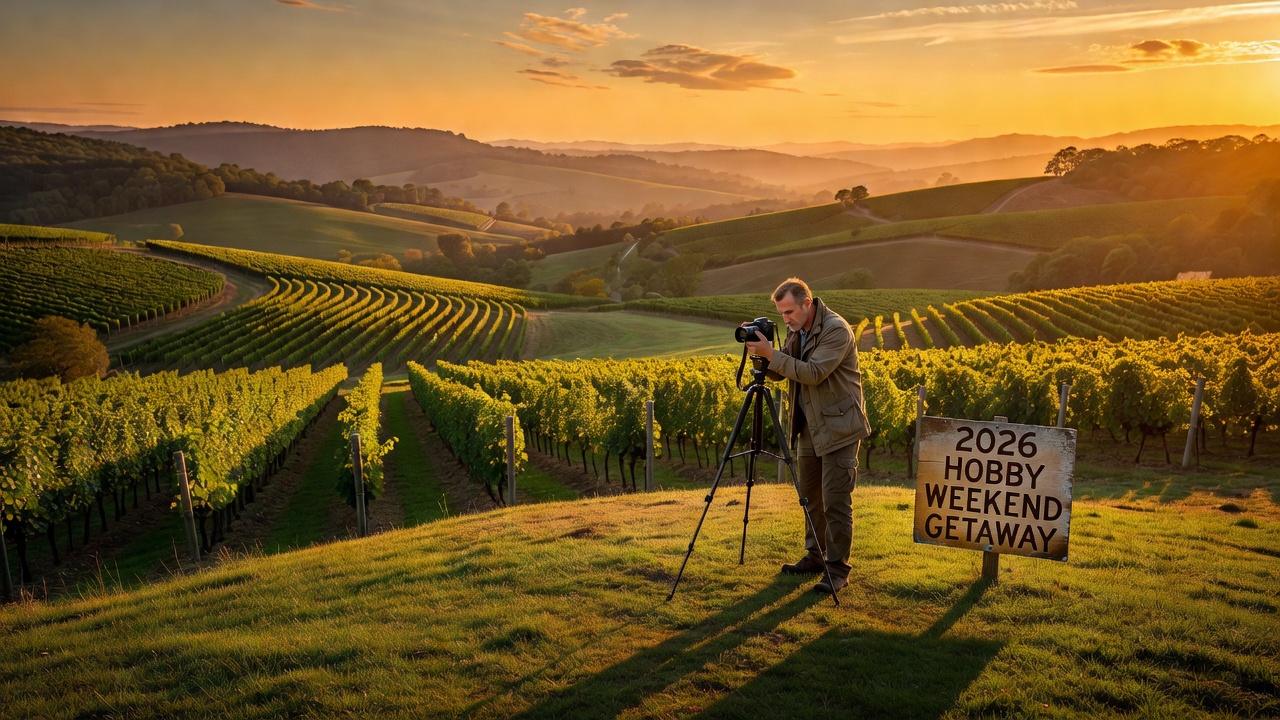
For wine enthusiasts, consider a 2026 micro-trip to a nearby wine region offering harvest-adjacent tastings and blending classes. Pair these with farm-to-table dinners that highlight regional varietals. Trail runners can target national park trails with organized group runs and recovery yoga sessions. These focused escapes deliver targeted training and social connections without requiring long vacations. Gaming fans might head to cities hosting weekend esports events or board-game cafes with overnight play options. Each example demonstrates how to compress hobby immersion into a short timeframe while leaving room for meals and rest. Photographers can join guided tours at scenic overlooks, capturing seasonal changes unique to 2026 weather patterns.
Urban Versus Rural Options: Which Fits Your Hobby?
Urban getaways excel for gaming, cooking classes, and indoor photography studios with controlled lighting. Cities provide easy access to specialized shops and late-night venues. Rural settings shine for nature-based hobbies such as landscape photography and trail running. They offer quieter environments, darker skies for astrophotography, and direct access to trails or vineyards. Evaluate your preference for social energy versus solitude when deciding between the two. Urban areas may also provide better public transportation and diverse dining, while rural spots often feature lower noise levels and more space for equipment setup. Hybrid trips that start in a city and end in the countryside can combine the best of both worlds for certain hobbies.
Common Mistakes to Avoid on Hobby Getaways
Many travelers overload their itineraries without allowing recovery time. Others forget to confirm equipment availability and arrive unprepared. Always verify weather forecasts specific to your hobby activities. Neglecting to research local regulations around photography drones or trail permits can lead to last-minute changes. Finally, avoid choosing destinations solely based on aesthetics without confirming hobby infrastructure exists.
Packing Essentials and Sustainability Tips
Create a hobby-specific packing list that includes only the most versatile items. For photographers this means extra batteries and memory cards. Cooks should pack favorite spices rather than full kits. Gamers need portable chargers and compact controllers. Embrace sustainability by choosing destinations reachable by train or carpool and supporting local businesses that minimize waste. Reusable gear bags and digital maps reduce single-use plastics on the trail or in the kitchen.
Frequently Asked Questions
How do I handle scheduling conflicts with work or family?
Block the dates early and communicate clear boundaries. Choose destinations within a short drive so you can depart Friday evening and return Sunday night. Use shared calendars to coordinate with others at home.
What about packing bulky hobby gear?
Research rental options at your destination and ship non-essential items ahead if needed. Focus on lightweight, multi-use equipment for weekend trips. Many locations now offer high-quality rentals that match or exceed personal gear.
Are these getaways suitable for beginners?
Yes, many workshops cater to all levels. Start with introductory sessions and gradually increase intensity across the weekend.
How can I ensure the trip remains relaxing?
Limit structured activities to no more than six hours per day and always include flexible time for meals and rest.
Conclusion
Hobby-themed weekend getaways in 2026 transform brief escapes into powerful personal development opportunities. By matching passions with destinations, balancing intensity with rest, and planning budgets thoughtfully, you create trips that feel both productive and restorative. Start mapping your next tailored adventure today and experience travel that truly reflects who you are. For further inspiration on outdoor activities, explore resources from the National Park Service and learn about sustainable travel practices through official channels.
No comments yet. Be the first!