 PlaceBee
Budget European City Escapes 2026: Affordable 48-72 Hour Getaways from the US
Planning a quick European escape from US hubs in 2026 does not require breaking the bank. With careful timing and choices, travelers can enjoy 48-72 hour weekends in lesser-known cities while keeping total costs under $600 per person. This comprehensive guide explores five destinations across different regions, complete with detailed budget breakdowns, sample itineraries, transit hacks, shoulder-season timing strategies, and visa-free entry notes. Whether you are a couple seeking romance, a solo explorer craving history, or a group of friends wanting nature, these options deliver memorable experiences without overspending. Focus on efficient planning to maximize every hour of your short trip.
Why These Lesser-Known Cities Excel for Short Escapes
Popular capitals like Paris or Rome often come with inflated prices and overwhelming crowds, making them less ideal for quick getaways. Instead, turn to secondary cities that retain authentic charm, efficient public transport, and lower living costs. These spots allow seamless 48-72 hour visits because they are compact and walkable. Shoulder seasons such as April through May or September through October bring milder weather, fewer tourists, and better availability on flights and accommodations. Visa-free entry applies for most US citizens in the Schengen Area for up to 90 days within any 180-day period. Always verify current rules on official resources like the US Department of State travel pages before departure to avoid surprises at border control.
Comparing Five Destinations Across Regions
Each city offers unique advantages tailored to different traveler profiles. Here is a detailed comparison highlighting pros for couples, solo adventurers, and others:
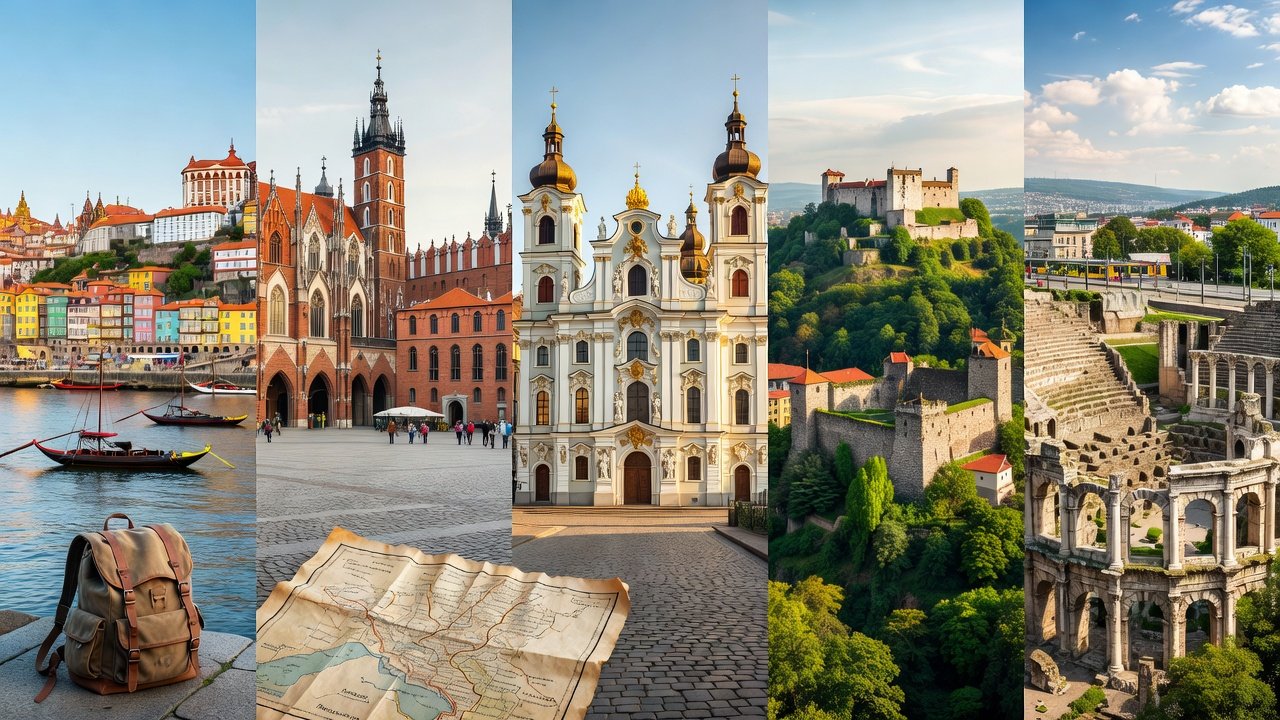
- Porto, Portugal (Western Europe): Best for couples who enjoy riverside romance and wine experiences. The compact historic center makes it easy to cover main sights on foot in two days. Pros include mild climate, scenic bridges, and relaxed atmosphere perfect for quality time together.
- Krakow, Poland (Central Europe): Ideal for solo explorers drawn to layered history and lively yet affordable evenings. Extensive pedestrian zones and free walking tours allow deep immersion without extra expense. Pros feature vibrant street markets, medieval architecture, and welcoming local vibe.
- Vilnius, Lithuania (Baltic Region): Suited to culture enthusiasts seeking baroque beauty and quiet green spaces. Its small size supports relaxed pacing ideal for reflective solo trips. Pros include tree-lined streets, hilltop views, and easy connections to nearby nature spots.
- Ljubljana, Slovenia (Southern Europe): Excellent for nature-oriented couples or small groups wanting a blend of city and outdoors. The dragon bridge and castle hill provide photogenic backdrops. Pros encompass extensive parks, clean air, and a compact layout encouraging exploration by bike or on foot.
- Sofia, Bulgaria (Eastern Europe): Perfect for budget-conscious solo travelers interested in ancient layers and thermal relaxation. Proximity to mountains adds optional day-trip potential. Pros feature low-key thermal baths, Roman ruins, and a mix of Eastern and Western influences.
Detailed Budget Breakdowns for Flights, Lodging, Food, and Activities
Staying under the overall $600 limit requires thoughtful allocation across categories. Prioritize midweek departures from US gateways such as New York, Chicago, or Boston to access lower fares on major and budget airlines. Lodging works best with centrally located hostels, guesthouses, or short-term apartment rentals that include kitchen access for self-catering. Food costs stay manageable by mixing market visits, street vendors, and one or two sit-down meals featuring local specialties. Activities emphasize free or donation-based options like public parks, self-guided walking routes, and neighborhood exploration rather than paid attractions.
Sample category splits might focus roughly 40 percent on round-trip flights, 25 percent on lodging, 20 percent on meals, and 15 percent on local transport and minor activities. Track expenses with a simple app and build in a small buffer for unexpected transit or souvenirs. Shoulder-season timing further reduces pressure on all categories by spreading demand more evenly.
Sample 2-Day Itineraries for Each City
These structured plans keep pacing realistic for short stays while hitting highlights. Adjust based on energy levels and interests.
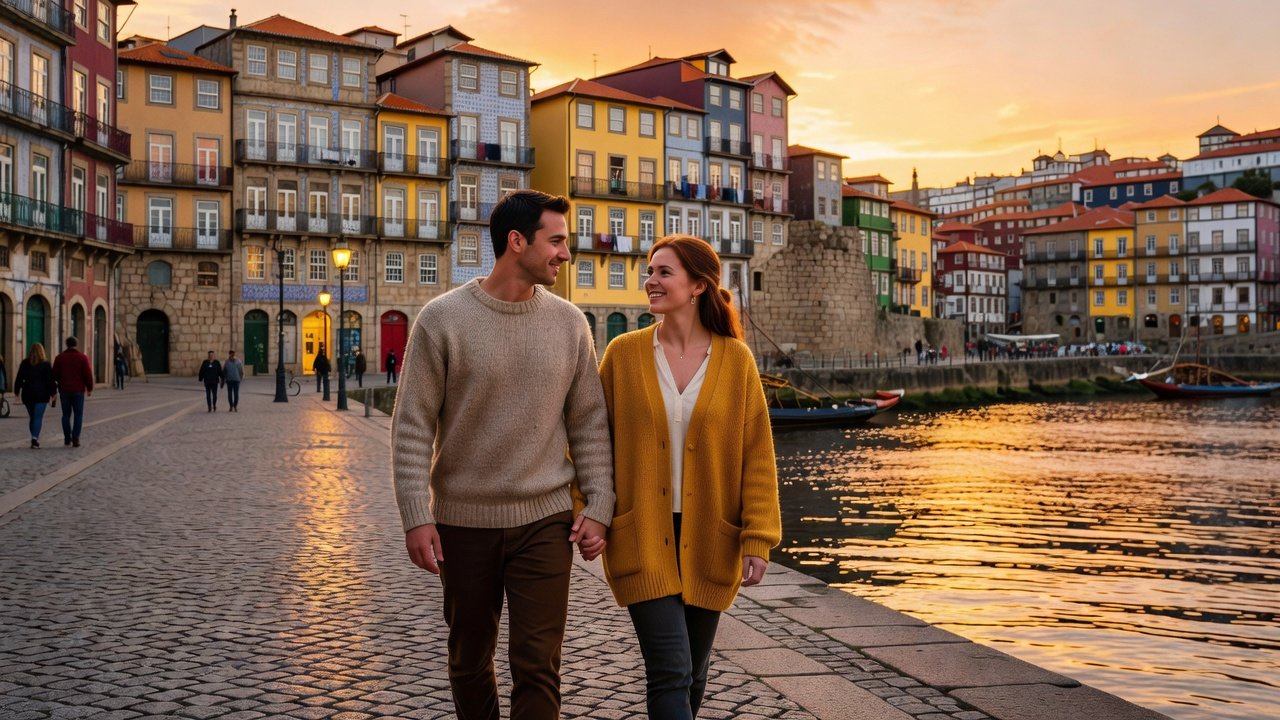
Porto for Couples: Day one begins with a morning walk across the Dom Luis I Bridge followed by exploring the Ribeira waterfront district and a relaxed Douro River cruise in the afternoon. Evening features port wine tasting at a historic lodge. Day two covers the Livraria Lello bookstore, a tram ride through hilly streets, and sunset views from the Atlantic beach nearby.
Krakow for Solo Travelers: Day one focuses on Wawel Castle grounds, the adjacent cathedral, and the atmospheric Jewish Quarter with its synagogues and cafes. Evening involves a free walking tour of the main market square. Day two includes a visit to the underground museum beneath the square and time spent people-watching while sampling local pastries and pierogi from street stalls.
Similar day-by-day outlines apply to Vilnius, Ljubljana, and Sofia, grouping nearby attractions to minimize backtracking and incorporating rest breaks at scenic parks or cafes.
Transit Hacks, Shoulder-Season Timing, and Visa-Free Notes
Airport transfers become simple with direct bus or train links that run frequently and cost little. Download offline maps and city transit apps in advance for real-time updates. Shoulder seasons deliver pleasant temperatures for walking while avoiding summer heat or winter chill. Book flights eight to twelve weeks ahead when possible. For visa-free travel, US passport holders benefit from the Schengen agreement allowing visa-free stays, but track days carefully using the official calculator on Europa EU resources. Always carry proof of onward travel and sufficient funds as occasional spot checks occur.
Practical Tips: Mistakes to Avoid and Packing Essentials
Common pitfalls include overpacking for short trips or ignoring flight change policies. Stick to a carry-on only to save fees. Pack versatile layers for variable shoulder weather, comfortable walking shoes, and a universal adapter. Use no-fee credit cards for payments and withdraw local currency from bank ATMs upon arrival to minimize conversion losses.
Short FAQ on Booking Timing and Currency Savings
When is the best time to book flights for these escapes? Target eight to twelve weeks in advance during shoulder months for the strongest combination of availability and value.
How can travelers maximize currency savings? Rely on cards without foreign transaction fees and exchange minimal cash at airport bureaus, which often carry poor rates.
Is it realistic to complete a full trip under $600? Yes, when prioritizing free attractions, shared lodging, and market meals while monitoring all bookings closely.
Should I consider travel insurance for such short trips? Basic coverage for flight disruptions or medical needs adds peace of mind at low additional cost.
What if my schedule changes after booking? Choose flexible fare options when available and review cancellation policies on each provider site.
Conclusion
These budget European city escapes deliver rich cultural encounters, scenic beauty, and authentic local flavors within a manageable $600 total. By focusing on lesser-known destinations, shoulder-season timing, and smart transit choices, US travelers can create seamless weekend getaways in 2026. Begin comparing options today to secure the best arrangements and enjoy a rewarding short break without financial strain.

No comments yet. Be the first!