 PlaceBee
Introduction to Skill-Building Weekend Getaways in 2026
Short escapes that blend learning with leisure are rising in popularity for 2026. These weekend getaways let travelers master new abilities like cooking techniques or language basics while enjoying scenic spots. Unlike traditional vacations, they emphasize personal growth alongside rest, making every hour count. Participants often return home with tangible skills and renewed energy. Destinations across the US and nearby regions offer workshops tailored for busy professionals seeking quick yet impactful experiences. In an era where continuous learning matters, these getaways provide structured opportunities to develop competencies without committing to long absences from work or family. Whether you are a complete beginner or looking to refine existing talents, the format supports varied experience levels through expert-led sessions that prioritize practical application over theory.
Popular Destinations and Workshop Options
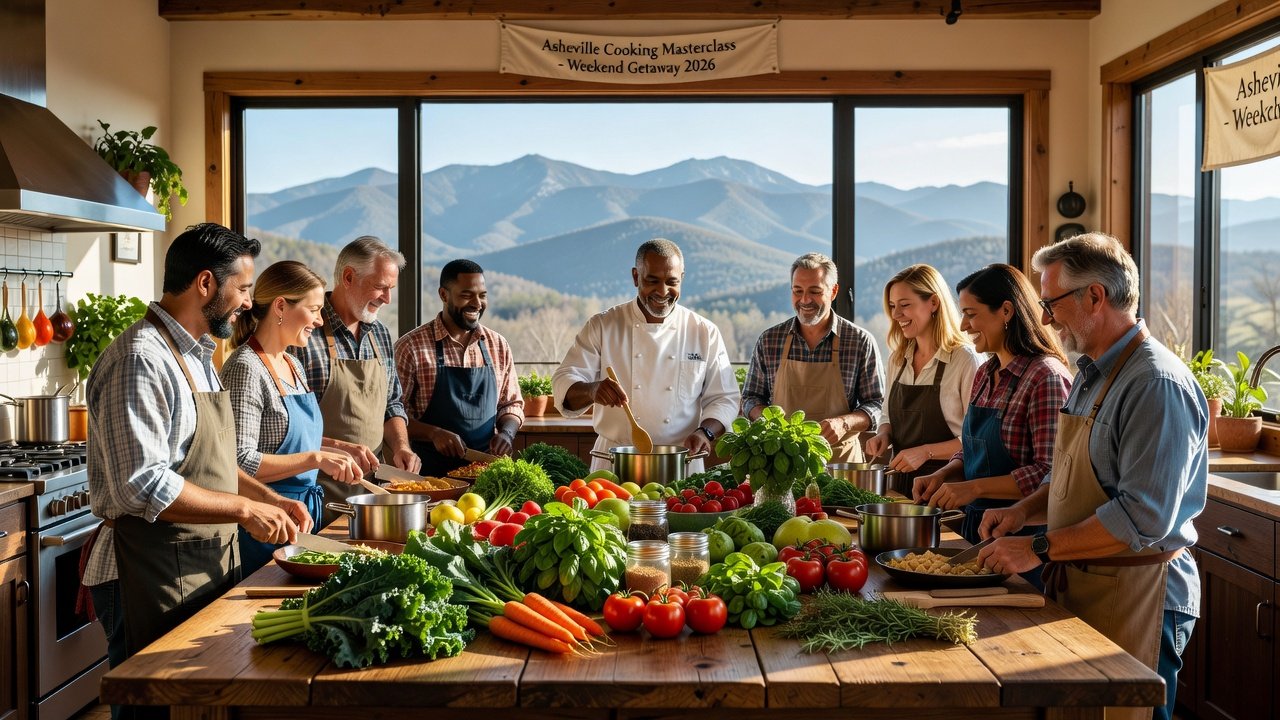
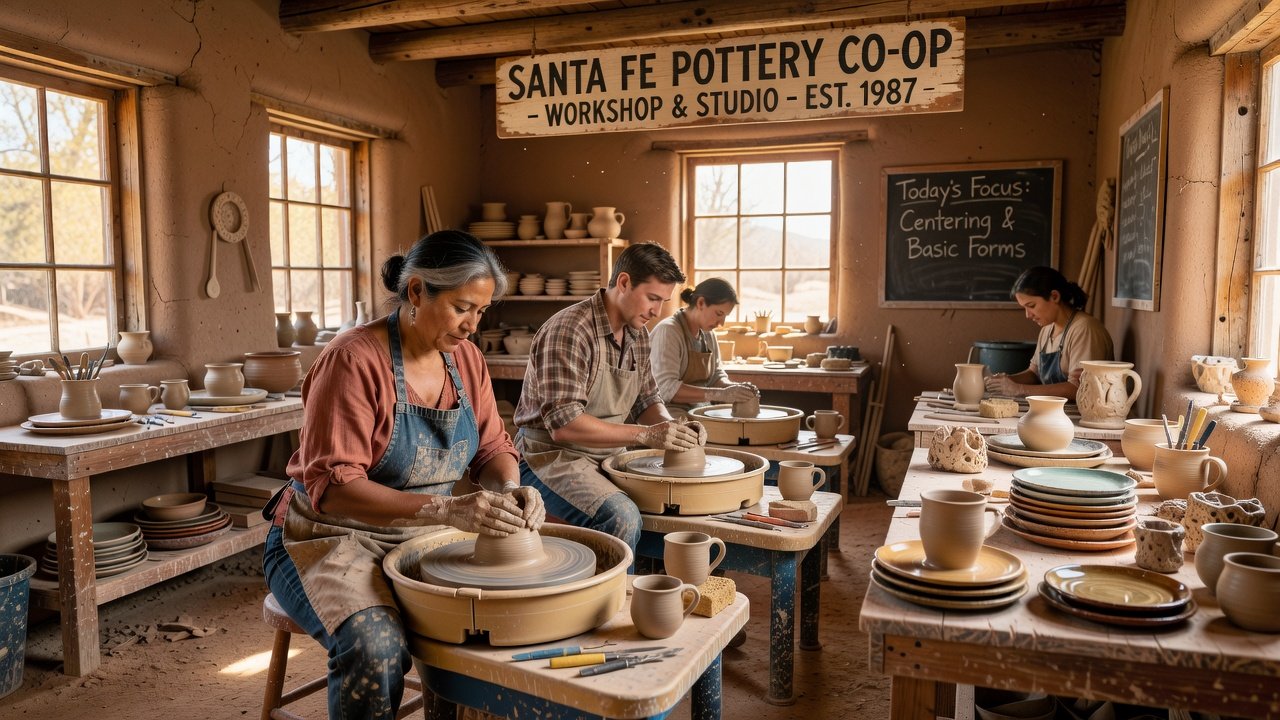
US locations excel for these getaways. In Asheville, North Carolina, cooking masterclasses focus on Appalachian cuisine using local ingredients and seasonal produce. Santa Fe, New Mexico, hosts pottery and craft sessions inspired by indigenous traditions with hands-on wheel throwing and glazing techniques. For language immersion, Miami provides Spanish workshops combined with beach relaxation and conversational practice in real-world settings. Nearby regions like Quebec, Canada, offer French immersion weekends just a short flight away, featuring guided tours and interactive dialogues. These spots provide authentic environments where skills develop naturally through practice and cultural exposure. Portland, Oregon, stands out for craft beer brewing classes paired with nearby hiking trails that allow participants to test recipes in outdoor settings. Additional options include Austin, Texas, where songwriting and music production workshops take advantage of the city's vibrant live music scene, and Charleston, South Carolina, known for its Southern cooking intensives that incorporate history tours of local markets.
National Park Service resources highlight nearby public lands that complement many of these workshops with free or low-cost nature-based extensions.
Step-by-Step Planning Tips
Start by identifying your target skill and preferred location three months ahead. Research workshop providers through official tourism sites and verify availability for 2026 dates. Choose dates that align with lower travel crowds for better rates and focus. Book accommodations near the workshop venue to minimize transit time and maximize energy for learning. Review cancellation policies early, especially for hybrid options that might shift due to weather or demand. Coordinate transportation, whether driving or flying, to arrive refreshed and ready. Factor in buffer time for meals and rest between sessions. This structure ensures the weekend feels balanced rather than rushed. Consider travel insurance that covers educational activities, and confirm any prerequisites such as basic equipment or prior knowledge listed by organizers. Reach out directly to instructors with questions about group size and customization options to ensure the experience matches your goals.
Real-World Examples and Sample Itineraries
A typical Asheville cooking weekend might begin Friday evening with an arrival and welcome session introducing knife skills and local ingredients, followed by Saturday full-day classes on baking and fermentation, and Sunday morning market visits before departure. In Santa Fe, participants could spend Friday afternoon settling into a pottery studio for wheel basics, Saturday exploring glazing and firing processes, and Sunday applying finishes while touring nearby historic sites. Language learners in Miami often follow a schedule of morning grammar drills, afternoon conversation circles at cafes, and evening cultural outings. These itineraries demonstrate how workshops integrate seamlessly with downtime for reflection or light sightseeing, creating a rhythm that supports both skill acquisition and recovery.
Cost Breakdowns Compared to Standard Trips
Skill-building weekends typically prove more economical than week-long vacations because of their brevity. Lodging and activity fees concentrate into two or three days, reducing overall spend while delivering concentrated value. As of 2026-10-22, travelers report these formats often save significantly on extended stays by focusing resources. Standard trips might include multiple hotel nights and daily excursions, whereas these targeted escapes prioritize one core learning experience. The result is efficient budgeting without sacrificing depth. Additional savings come from fewer meals out and reduced transportation costs within a compact timeframe.
Gear and Packing Advice
Pack light but purposefully. Include comfortable clothing suitable for both classroom and outdoor elements. Bring a dedicated notebook or tablet for notes during sessions. Comfortable shoes for walking between venues and exploring are essential. A reusable water bottle and any personal tools specified by the workshop help maintain focus. Layered outfits adapt to changing weather, while a small backpack carries daily essentials without bulk. Avoid overpacking electronics; focus on items that support hands-on participation. Check weather forecasts for the specific region to refine selections. For cooking classes, an apron and closed-toe shoes are often recommended, whereas craft workshops may require old clothes that can get dusty or stained.
In-Person Versus Hybrid Formats
In-person workshops deliver immersive interactions and immediate feedback from instructors. The social element fosters connections with fellow learners, enhancing motivation and accountability. Hybrid formats combine live sessions with online modules, offering flexibility for those with tight schedules or geographic constraints. Many 2026 programs blend both, starting with virtual prep work followed by an on-site weekend. This approach suits varied learning styles while maintaining the getaway appeal. In-person edges out for tactile skills like pottery or cooking, where physical guidance proves invaluable, while hybrid works well for language practice with follow-up apps and recorded drills. Hybrid participants often appreciate the ability to review materials afterward, extending the learning curve beyond the physical trip.
Best Times to Book and Combining Relaxation with Growth
Book workshops 8-12 weeks in advance for optimal selection and pricing. Spring and fall weekends often provide mild weather ideal for both indoor learning and outdoor downtime. These trips naturally merge growth with rest through structured mornings of classes and afternoons of leisure. The combination reduces burnout and promotes lasting habit formation. Many attendees find that the focused environment accelerates skill retention compared to sporadic home practice. US Department of State travel information offers guidance on cross-border options like Canadian getaways.
Mistakes to Avoid
One common error is underestimating travel time to the venue, leading to rushed arrivals and reduced enjoyment. Another is selecting workshops without checking instructor credentials or reviews, which can result in mismatched expectations. Over-scheduling activities without rest periods often leads to fatigue rather than fulfillment. Failing to confirm what materials are provided versus what participants must bring can create last-minute stress. Finally, ignoring group dynamics or solo-friendly policies may diminish the social benefits for some travelers.
Conclusion
Skill-building weekend getaways in 2026 represent an efficient way to invest in yourself. With thoughtful planning, they deliver memorable experiences that enhance both skills and well-being for years to come.
FAQ
What skill levels are required?
Most workshops welcome beginners, with options for intermediate learners. Instructors adapt sessions accordingly, ensuring everyone progresses at a comfortable pace through differentiated instruction and peer support.
Can I participate solo or in a group?
Both work well. Solo attendees often appreciate the focused environment and opportunities for self-paced reflection, while groups enjoy shared discoveries and collaborative projects. Many programs facilitate pairings for exercises to build community regardless of arrival status.
How do these trips support long-term skill retention?
Hands-on repetition during the weekend combined with take-home resources like recipe cards or practice guides helps reinforce learning. Follow-up online communities or alumni networks further extend benefits beyond the initial escape.
No comments yet. Be the first!