 PlaceBee
Introduction: Planning Your 2026 Escape to Hidden Gems
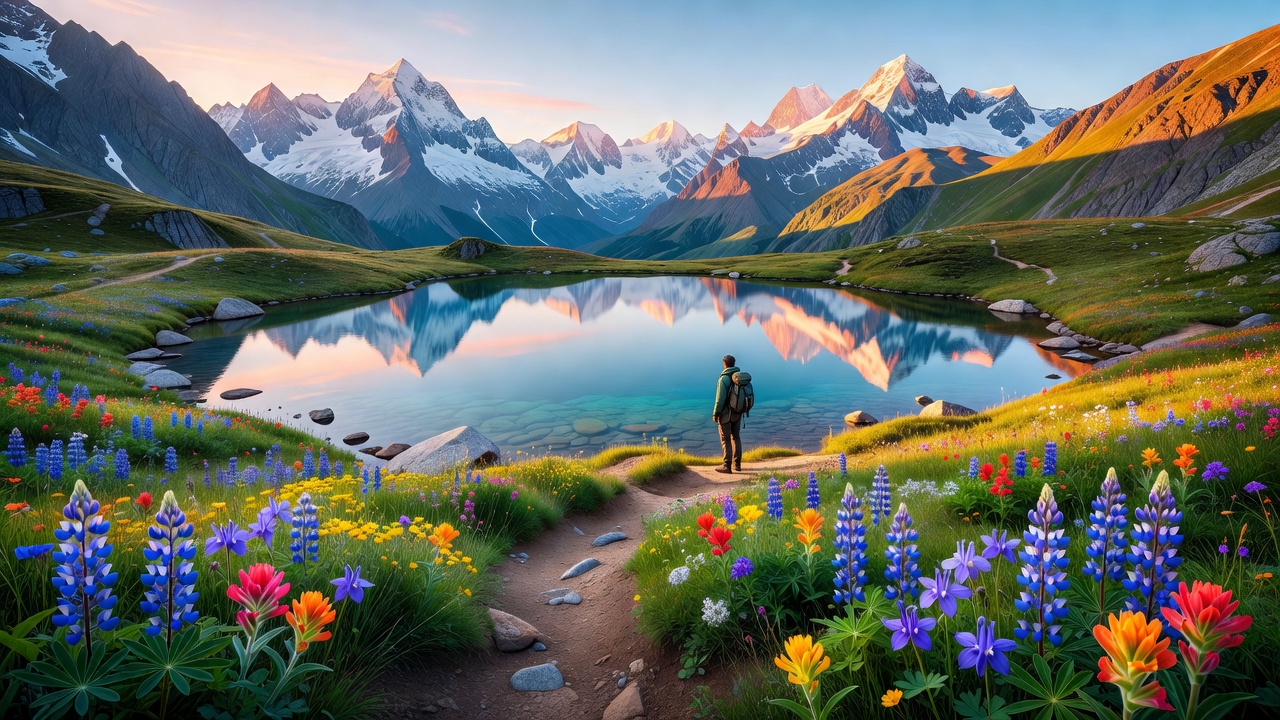
Travelers in 2026 are increasingly seeking less-crowded experiences away from overtouristed hotspots. Destination guides serve as essential tools for uncovering these hidden gems, whether in remote mountain villages or quiet coastal towns. This article explores how to leverage city guides and country guides effectively, verify overlooked sites, and compare hidden attractions with mainstream ones. You'll find practical checklists, traveler examples from multiple continents, and an FAQ addressing safety considerations. By personalizing these resources, you can craft unique itineraries that prioritize authenticity and sustainability. The focus remains on responsible exploration that respects local communities while delivering memorable adventures.
Hidden gems provide opportunities for deeper cultural connections and natural immersion that crowded landmarks rarely allow. As overtourism pressures popular sites like Venice or Bali, 2026 travelers benefit from proactive planning using updated guides to identify alternatives that feel exclusive yet accessible.
Why Hidden Gems Matter for 2026 Travel
Mainstream destinations often suffer from overcrowding, inflated costs, and environmental strain. Hidden gems offer tranquility, cultural immersion, and unique landscapes. Guides from reputable sources help identify these spots by highlighting lesser-known trails, festivals, and viewpoints. For instance, pairing a country guide with local forums reveals seasonal opportunities like off-peak visits to Patagonian outposts or Southeast Asian hill towns. These locations frequently preserve traditional practices and biodiversity that larger tourist hubs have lost. Choosing hidden gems also supports smaller economies by distributing visitor spending more evenly across regions.
Research shows that travelers who prioritize lesser-known sites report higher satisfaction due to reduced stress and more meaningful interactions. In 2026, with global travel rebounding, early adoption of destination guides positions you ahead of emerging crowds.
Sourcing Reliable City Guides and Country Guides
Start with established publishers and official tourism boards. Cross-reference multiple sources to build a balanced view. Reliable options include Lonely Planet for detailed regional insights and National Geographic Travel for cultural depth. Supplement with government resources such as U.S. Department of State travel pages for current access details. Additional authoritative sources like the UN World Tourism Organization provide data-driven perspectives on sustainable destinations.
When selecting guides, prioritize those updated within the past year and featuring contributor notes from on-the-ground explorers. Avoid overly commercial lists that promote only paid partnerships. Digital versions often include interactive maps and user reviews, while print editions offer tangible planning aids for offline use during travel.
Verification Steps Using Local Insights
Once potential sites are identified, verify them through direct channels. Contact local tourism offices via email or social media for real-time updates. Engage with community forums or hire a local guide for initial scouting. This step prevents disappointment from outdated information about trail closures or seasonal restrictions. Practical verification includes checking weather patterns, accessibility for your group size, and any required permits. Always confirm entry rules at least two weeks before travel. Consider joining regional Facebook groups or Reddit communities focused on the specific country for recent visitor reports.
Another effective method involves reaching out to small businesses such as family-run guesthouses or cafes near the site. These operators often share insider knowledge about access routes and current conditions that formal guides miss.
Comparing Hidden Gems Versus Mainstream Attractions
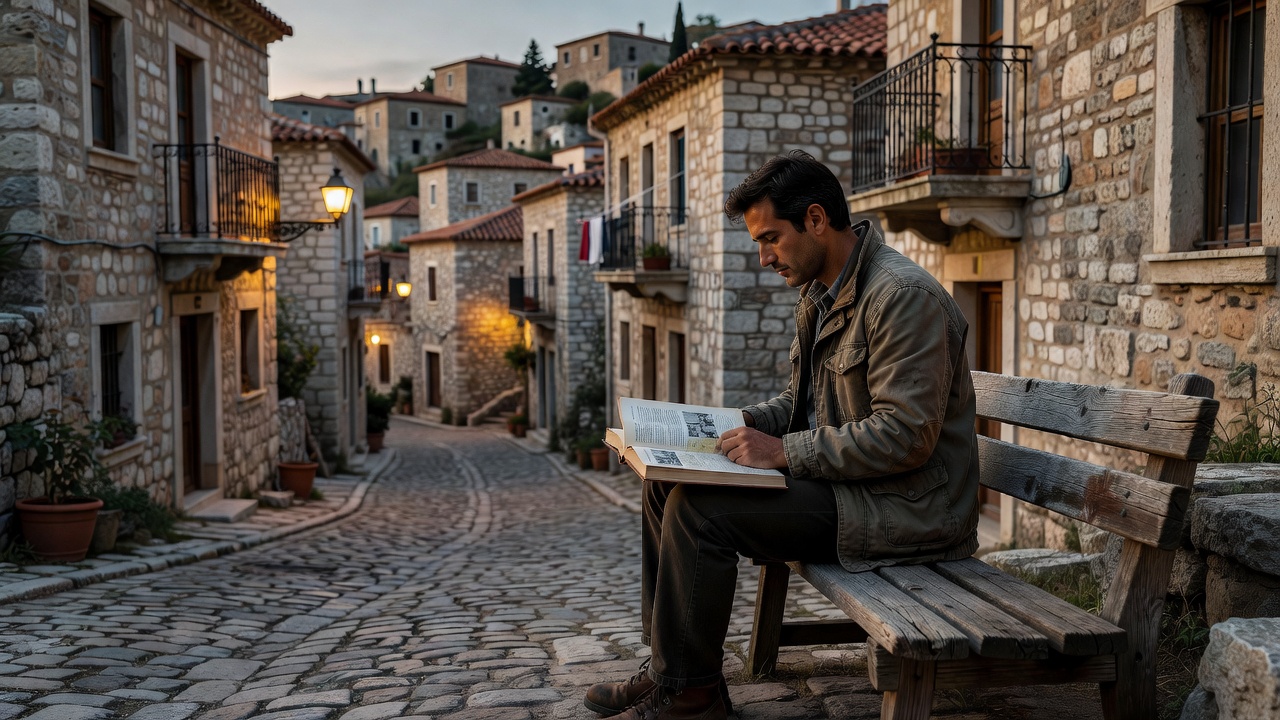
Hidden gems typically feature smaller crowds, lower entry fees, and stronger community interactions. Mainstream sites provide easier logistics and more amenities but often at the expense of authenticity. Use a simple comparison framework:
- Crowd levels: Hidden sites average significantly fewer visitors during peak season, creating a more peaceful atmosphere.
- Cost: Travelers often experience noticeable savings on accommodations, meals, and activities at overlooked locations.
- Experience: Deeper cultural exchanges versus standardized tours that feel repetitive.
- Infrastructure: Mainstream attractions usually have better signage, restrooms, and transport links, while hidden gems require more self-reliance.
This approach helps decide when to venture off the beaten path based on your priorities for relaxation or adventure. For families, hidden gems may require extra preparation, whereas solo travelers often thrive in these settings.
Actionable Checklist for Personalizing Destination Guides
Follow this step-by-step template to customize any guide:
- Identify your travel window and interests (nature, culture, food).
- Compile three potential hidden sites per region from multiple guides.
- Verify logistics including transport and lodging availability.
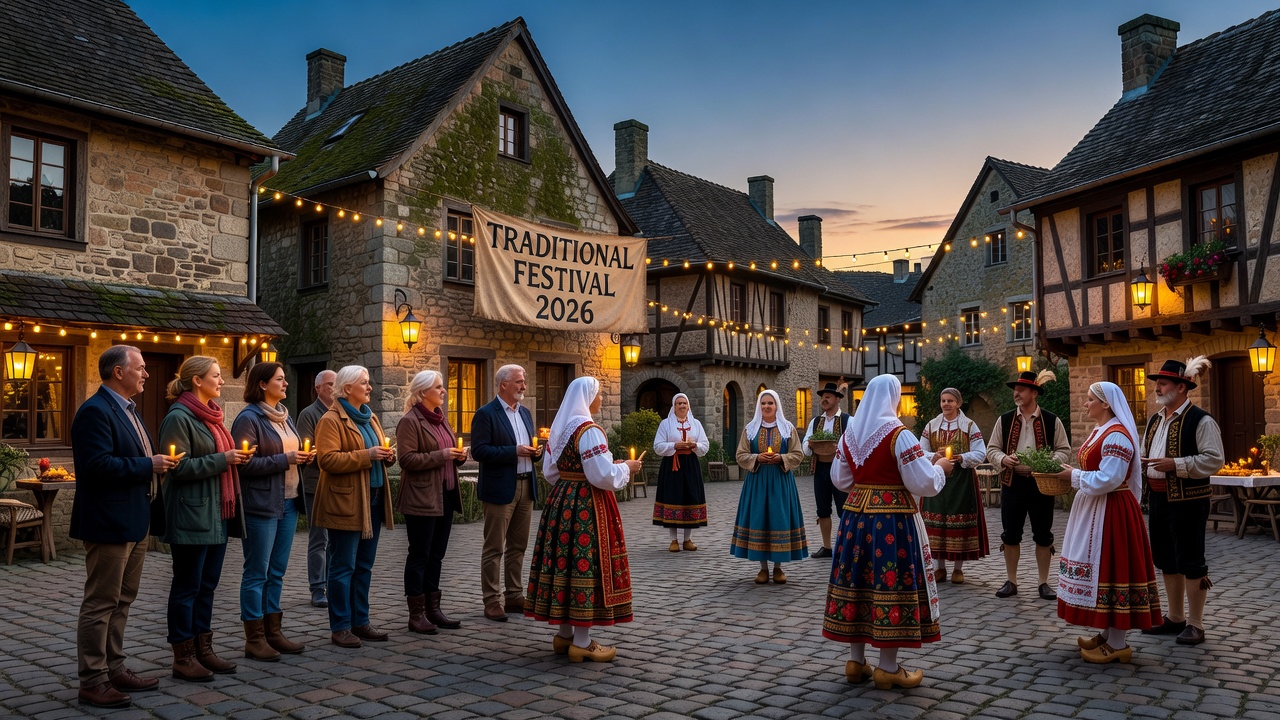
- Incorporate local events or festivals for timing.
- Create a flexible daily schedule with buffer days for spontaneity.
- Share your draft with a local contact for feedback.
- Book only refundable options initially to allow adjustments.
- Prepare a packing list tailored to the terrain and climate of each hidden gem.
- Research sustainable practices such as Leave No Trace principles before departure.
This template ensures your 2026 trip balances discovery with practicality while minimizing risks associated with remote travel.
Real Traveler Examples from Various Regions
A solo traveler used a South American country guide to find a quiet Andean village near Cusco, avoiding Machu Picchu crowds entirely. The experience included homestays with Quechua families and hikes to untouched archaeological sites. Another family discovered a secluded Greek island through a Mediterranean city guide, enjoying empty beaches during summer while learning traditional fishing techniques from locals. In Asia, a couple verified a remote Japanese onsen town via local insights, resulting in an unforgettable cultural exchange with village elders.
Further examples include an Australian backpacker who located a hidden waterfall trail in New Zealand's South Island using a regional guide, and a European retiree who explored quiet fjord villages in Norway after cross-referencing official tourism materials. These stories illustrate how combining guides with verification leads to transformative journeys across continents.
Sustainability and Responsible Travel Practices
When visiting hidden gems, prioritize low-impact activities. Choose operators who support conservation efforts and hire local staff. Limit group sizes and avoid single-use plastics to preserve the pristine quality that makes these destinations special. Destination guides increasingly include sustainability sections that recommend ethical wildlife viewing and community-supported tours.
Mistakes to Avoid When Using Destination Guides
Common pitfalls include relying on a single source without verification, ignoring seasonal weather warnings, and failing to respect local customs. Overbooking activities can also lead to burnout, while neglecting permit requirements may result in denied access. Always allocate extra time for unexpected delays in remote areas.
FAQ: Safety and Access Considerations
How safe are hidden gems? Research local advisories through official channels and travel with situational awareness. Many overlooked sites have low crime rates due to their isolation.
What about access restrictions? Some areas require permits or seasonal closures. Always check current regulations before departure.
Are hidden gems suitable for all travelers? Assess physical demands and infrastructure. Families and seniors may prefer sites with basic facilities.
How do I handle language barriers? Download offline translation apps and learn basic phrases from your guidebook.
What if weather changes plans? Build flexibility into itineraries and monitor forecasts through local apps.
Conclusion: Start Building Your 2026 Itinerary Today
Destination guides unlock a world of hidden gems when used thoughtfully. By sourcing reliable materials, verifying details, and applying practical checklists, you can design 2026 trips filled with meaningful, uncrowded experiences. Begin exploring today to secure your next adventure.
No comments yet. Be the first!